
Companion Plants
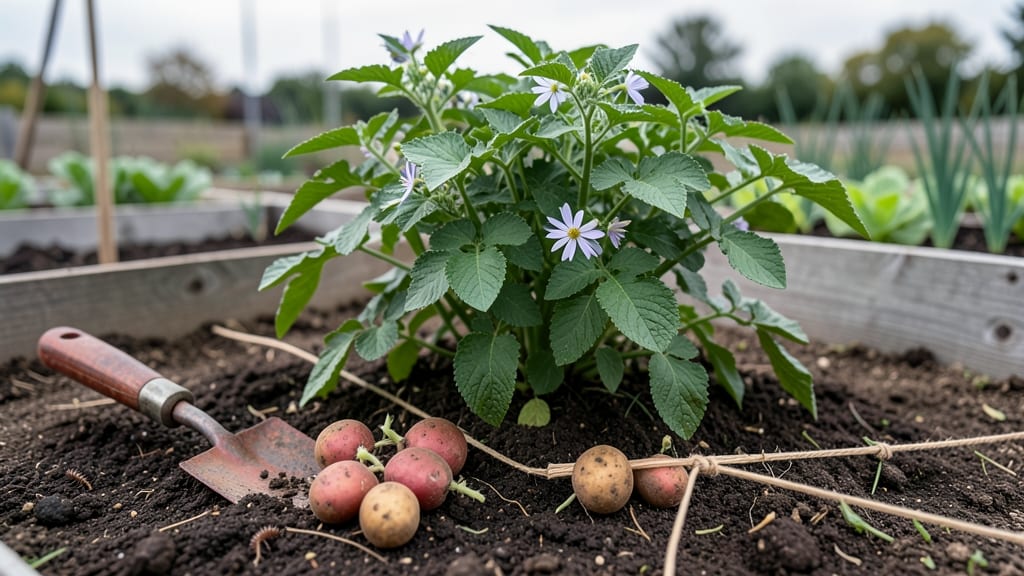
If you're wondering "when can you plant potatoes in PA", the answer isn't just about dates—it's about reading your soil like a seasoned gardener. Pennsylvania's 5a-7b zones mean your timing could differ by weeks between Pittsburgh and Philadelphia, but there's a science to getting it right.
Most gardeners here plant 🥔 potatoes between early March and late April, but that's only half the story. The real secret is soil temperature—those little sprouts need 40-50°F to wake up, and 50-60°F to grow.
Too cold? Your potatoes will sulk. Too warm too soon? They might bolt before you get your harvest.
I'll show you exactly how to use a soil thermometer (yes, they're cheap!) to time your planting perfectly, plus which varieties thrive in PA's unpredictable spring. Whether you're a first-timer or a veteran gardener, these tricks will help you avoid the #1 potato-planting mistake—waiting too long.
Ready to grow potatoes that outperform the grocery store? Let's dig into the details that actually matter for your PA garden.
Ideal planting windows for Pennsylvania potatoes based on soil temperature
Planting potatoes in Pennsylvania isn't just about checking the calendar—it's about understanding soil temperatures. Your seed potatoes need 40-50°F soil to start sprouting, while optimal growth happens at 50-60°F.
In PA, this typically aligns with late March to early April for most regions, but microclimates like Pittsburgh's cooler valleys or Philadelphia's urban heat islands can shift these windows by 2-3 weeks.
For early varieties like 'Yukon Gold' or 'Red Norland,' you can plant as early as February in southern PA (zones 6b-7a) if your soil warms quickly. Meanwhile, late varieties such as 'Russet Burbank' should wait until mid-April to avoid frost damage.
Always check your last frost date—Philadelphia averages March 15, while Pittsburgh leans toward April 15.
Here’s how to use a soil thermometer for precision: Bury it 4 inches deep (where seed potatoes will sit) and monitor daily. If temps hover below 40°F for more than 3 days, delay planting.
Pro tip: Black plastic mulch can warm soil by 5-10°F, letting you plant 2 weeks earlier in cooler zones.
Regional differences matter! In southeastern PA (e.g., Lancaster), you might plant by March 1, while northwest PA (Erie) often waits until April 10. Rural areas with loamy soil warm faster than urban concrete-heavy zones, which can delay planting by 1-2 weeks.
Don’t rely solely on frost dates—soil temperature is the true indicator. For example, a late-March frost in Pittsburgh might not harm potatoes if the soil is already 50°F, but a cold snap in April with 40°F soil can stunt growth.
Use this rule of thumb: Plant when your 5-day forecast shows consistent highs above 50°F.
🥔 Pennsylvania Potato Planting Guide by Region
| Region | Last Frost Date | Ideal Planting Window | Soil Temp Goal | Early Variety Example |
|---|---|---|---|---|
| Southeast (Philly, Lancaster) | March 15 | Late Feb–Early April | 45–55°F | 'Red LaSoda' |
| Central (Harrisburg, State College) | April 1 | Early March–Mid-April | 40–50°F | 'Kennebec' |
| Northwest (Pittsburgh, Erie) | April 15 | Mid-March–Late April | 42–52°F | 'Yukon Gold' |
| Northeast (Scranton, Wilkes-Barre) | April 10 | Late March–Early May | 40–50°F | 'Adirondack Red' |
*Adjust planting dates 1–2 weeks earlier with black plastic mulch or row covers.
If you’re planting seed potatoes (not sprouted), chill them in a cool, dark place for 4-6 weeks before planting to encourage uniform sprouting. This trick works especially well for late-March plantings in cooler zones.
For pre-sprouted potatoes, plant as soon as sprouts are 1/2-inch long—they’ll establish faster in 50°F+ soil.
Pro move: Plant a test row 2 weeks before your target date. If the test row thrives with healthy green foliage within 10 days, your main planting is ready. If not, wait another week. This real-time check beats guessing based on frost dates alone.
Remember: Potatoes hate cold soil. If you plant too early and hit a 40°F snap, your tubers may develop hollow heart (a common PA issue). Aim for consistent warmth to avoid this wasteful problem.
For maximum yield, pair your planting with compost-rich soil and 1-2 inches of mulch. This combo keeps soil temps stable and speeds up tuber formation. Now grab that soil thermometer—your 2024 potato harvest starts with the right timing!
Signs your PA soil is ready for potatoes (and what to do if it’s not)
Before you rush to plant your seed potatoes, check if your PA soil is truly ready. Cold, wet, or compacted soil can stunt growth or even kill your plants before they sprout.
The key is to look for three critical signs: soil temperature, moisture, and texture. If your soil fails any of these tests, a little prep work can save your harvest.
Start by testing your soil temperature—potatoes thrive when it reaches 45-55°F. Use a soil thermometer (or a reliable weather app) to check before planting. If it’s colder than 40°F, wait a week or two.
In Pittsburgh or rural areas, soil warms slower than in Philadelphia’s urban gardens, so adjust your timeline accordingly.
Next, grab a handful of soil and squeeze it gently. If it crumbles easily but holds moisture, it’s perfect for planting. If it stays clumpy or feels soggy, your soil is too wet.
Add compost or coarse sand to improve drainage. Conversely, if it falls apart like dust, it’s too dry—water it thoroughly 24 hours before planting to give roots a head start.
5 Key Signs Your Soil Is Ready
- Soil temp: 45-55°F (use a thermometer)
- Moisture: Holds shape but isn’t soggy
- Texture: Crumbles easily when dry
- Worms: Active (sign of healthy soil life)
- pH: 5.0-7.0 (test with a kit)
⚠️ Warning: If soil is rock-hard or frozen, wait until it thaws and loosens naturally.
Don’t overlook worm activity—healthy soil teems with earthworms, which aerate the ground and create tunnels for roots. If you spot none, amend your soil with well-rotted manure or leaf mold to boost organic matter.
For sandy soil, mix in peat moss or compost to retain moisture, while clay-heavy soil benefits from gypsum or coarse sand to break up compaction.
If your soil is too acidic (below 5.0), sprinkle lime a few weeks before planting. For alkaline soil (above 7.0), work in sulfur or pine needles.
A simple pH test kit (under $10) takes the guesswork out of balancing your soil. Remember, potatoes are moderately tolerant but grow best in slightly acidic to neutral conditions.
Once your soil passes these tests, it’s time to plant! Choose a sunny spot with at least 6 hours of sunlight daily and dig trenches 4-6 inches deep. Place your seed potatoes (cut side down) 12 inches apart and cover with soil.
Water gently to settle the soil around them, and watch for sprouts in 2-4 weeks.
If you’re still unsure, try the "fist test": Pound a fist into the soil. If it resists slightly but doesn’t feel rock-hard, your soil is ready. For container gardening, use a lightweight potting mix with added compost—just ensure it drains well to prevent rot.