
Flowers
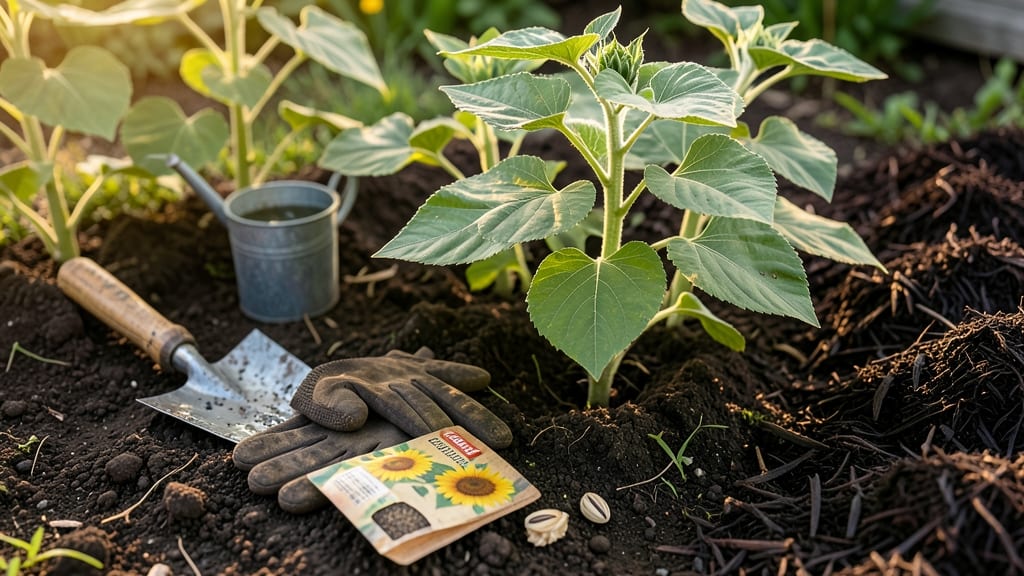
If you’ve ever planted sunflowers 🌻 in Florida only to watch them bolt before blooming, you’re not alone—and there’s a simple fix. The key lies in timing, which varies wildly from North Florida’s 8a zone to Key West’s frost-free paradise.
Florida’s year-round growing season might seem like a sunflower’s dream, but heat spikes and daylight shifts can sabotage your plants if you’re not strategic. The perfect window? Spring and fall, when temperatures play nicely and daylight balances growth without triggering premature flowering.
In this guide, I’ll break down the exact months to plant by zone, plus pro tips to avoid bolting—whether you’re in chilly Jacksonville (8a) or steamy Miami (11). Ready to grow sunflowers that actually bloom?
Let’s dive into the zone-specific calendar that’ll have your 🌻 thriving from seed to seed head—no guesswork required.
Florida sunflower planting calendar by hardiness zone (avoid premature bolting)
Florida’s diverse climate—from Zone 8A in the Panhandle to Zone 11 in the Keys—means sunflower planting windows vary dramatically. In North Florida (Zones 8A-9A), frost can still threaten early plantings, while South Florida (Zones 10A-11) allows year-round growth.
The key is timing: plant too early, and sunflowers bolt before flowering; too late, and summer heat stresses young seedlings.
For most Florida gardeners, the sweet spot is late winter to early spring (February-March) and late summer (August-September). These windows balance soil warmth (55°F+) and daylight hours (12+) to prevent bolting. South Florida’s frost-free zones even allow fall plantings for winter blooms, but we’ll cover that later.
Here’s your zone-by-zone breakdown—including frost dates and heat thresholds—to ensure your sunflowers grow tall and blooming, not leggy and frustrated.
Notice how North Florida (Zones 8A-9A) has strict frost windows, while South Florida (Zones 10A-11) can plant almost anytime. Even in frost-free zones, August is the riskiest month—temperatures often exceed 90°F+, causing sunflowers to bolt or wilt.
If you must plant in summer, opt for dwarf varieties like ‘Teddy Bear’ (2-3 ft tall) and use mulch to retain moisture.
For Zone 9A and below, I recommend two plantings per year: one in late winter (February) for spring blooms and another in late summer (August) for fall flowers.
This strategy ensures continuous blooms and avoids the peak heat trap of June-July. In Zone 8A, add a row cover for early spring plantings to protect against late frosts.
One common mistake? Planting sunflowers too early in cooler zones. Cold soil (below 55°F) delays germination, and seedlings can rot. Always check soil temperature with a probe—it’s the #1 predictor of success. I use a moisture meter with a soil thermometer (around $20) to avoid guesswork.
Let’s talk variety selection next. Not all sunflowers handle Florida’s heat equally. ‘Moulin Rouge’ (red-petaled) and ‘Autumn Beauty’ (striped) are heat-tolerant, while ‘Russian Giant’ (12+ ft) needs cooler temps to thrive. I’ll share my top 5 Florida-friendly varieties in the next section—stay tuned!
🌻
5 Key factors that determine the best sunflower planting time in Florida
Sunflowers 🌻 may seem low-maintenance, but Florida’s unpredictable heat and long daylight can turn them into bolting disasters if you ignore these 5 critical factors. Mastering them ensures your plants grow tall, strong, and full of blooms—not just skinny stems with sad buds.
The first factor is soil temperature. Sunflower seeds need soil at 55°F or warmer to germinate. In North Florida (Zones 8a-9a), this means waiting until mid-March to April—planting earlier risks rot.
South Florida (Zones 10a-11) can start as early as January, but even there, cooler patches may delay sprouting.
Daylight hours are the second game-changer. Sunflowers bolt (go to flower) when days get longer than 14 hours. In Florida, this happens by late February in the north and December in the south. Planting too early in spring or late summer risks bolting before you see leaves.
- Soil Temperature
- Daylight Hours
- Sunflower Variety
- Heat Tolerance
- Frost Risk
Third, your sunflower variety matters. Dwarf varieties like 'Teddy Bear' bolt slower and tolerate Florida’s heat better, while giants like 'Mammoth' need cooler temps to grow tall. For Florida, I recommend mid-height varieties (4-8 ft) like 'Autumn Beauty' or 'ProCut'—they balance bolting risk and size.
Fourth, heat tolerance is non-negotiable. Florida’s summer sun can scorch seedlings, so avoid planting between June and August. If you must plant then, use 30% shade cloth and water deeply twice daily. Even established plants struggle when temps hit 95°F+, so prioritize spring or fall.
Finally, frost risk separates North and South Florida. In Zones 8a-9a, late-winter frosts can kill seedlings, so wait until after March 15 or use row covers. South Florida gardeners? You’re in luck—no frost means year-round planting, but watch for hurricane season (June-November), which can stress young plants.
Pro tip: Use a soil thermometer to check temps before planting—it’s the fastest way to avoid bolting disasters. And if you’re in doubt, start seeds indoors 4-6 weeks before your zone’s ideal outdoor date for a head start.