
Plants
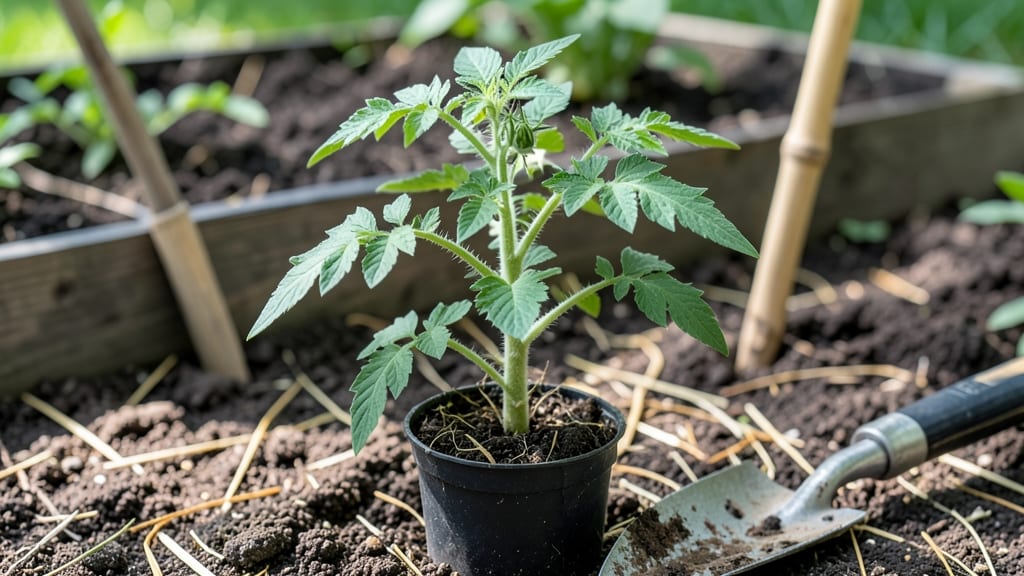
If you’ve ever stared at your 🍅 tomato seedlings wondering, "When can you plant tomatoes in Michigan without risking frost?"—you’re not alone. Michigan’s USDA Zones 5b-6b make timing everything, and getting it wrong means wasted plants or a late harvest.
The good news? With the right strategy, you can align your planting schedule with Michigan’s unpredictable springs and still enjoy a bountiful summer.
Most gardeners in Michigan start tomatoes indoors by March 15 to give them a head start, but the real magic happens after the last frost—typically between April 15 and June 1, depending on your region.
Whether you’re in Northern Michigan (Zone 5b) or Southern Michigan (Zone 6b), soil temperature and nighttime lows are the key factors. Plant too early, and frost will nip your progress; too late, and your harvest shrinks before fall sets in.
In this guide, I’ll break down the exact planting windows for Michigan, including how to adjust for late springs or urban container gardening. You’ll learn how to read frost dates, prepare your soil, and even extend your growing season with simple tricks.
By the end, you’ll know exactly when to put those seedlings in the ground—and how to protect them if Mother Nature throws a curveball.
Let’s dive into the perfect planting schedule for Michigan tomatoes so you can enjoy homegrown 🍅 from July to October without the guesswork.
Michigan tomato planting dates by last frost average (Zone 5b-6b guide)
Michigan’s USDA Zones 5b-6b create a tricky balance for tomato lovers. The last spring frost can arrive as early as mid-April in southern Michigan (Zone 6b) or as late as early May in northern areas (Zone 5b).
To avoid frost damage, I always check my local Michigan State University Extension frost maps—they’re my go-to resource for precise timing.
For most Michigan gardeners, the ideal planting window starts after the average last frost date and when soil temperatures hit at least 60°F. This usually means late April to early May for southern Michigan and mid-May to early June for northern regions.
But remember, tomatoes are frost-sensitive, so waiting until nighttime temperatures stay above 50°F consistently is non-negotiable.
If you’re growing heirloom or slow-maturing varieties, you might need to start seeds indoors in early March to give them enough time to reach transplant size (4-6 inches tall) before the outdoor window opens.
For determinate varieties (like 'Roma' or 'Patio'), you can push the envelope slightly later since they mature faster.
🌱 Michigan Tomato Planting Timeline by Zone
| Zone & Region | Last Frost Avg. | Safe Planting Window | Soil Temp Threshold | Notes |
|---|---|---|---|---|
| Zone 6b (Southern MI: Detroit, Ann Arbor, Kalamazoo) | Mid-April | Late April - Early May | 60°F+ | Urban areas may warm faster; monitor closely. |
| Zone 6a (Central MI: Lansing, Grand Rapids) | Early May | Early May - Mid-May | 60°F+ | Use row covers if nights dip below 50°F. |
| Zone 5b (Northern MI: Traverse City, Marquette) | Early May | Mid-May - Early June | 60°F+ | Start seeds indoors 6-8 weeks before last frost. |
| All Zones (Containers/Pots) | N/A | 2 Weeks After Outdoor Window | 60°F+ | Potted tomatoes need extra warmth; use black pots to absorb heat. |
I always recommend hardening off seedlings for 7-10 days before transplanting. This means gradually exposing them to outdoor conditions (wind, sun, temperature swings) to reduce transplant shock. Start with 2-3 hours per day in a sheltered spot, then increase daily until they’re ready for full sun.
For urban gardeners in Detroit or Grand Rapids, microclimates can make a big difference. South-facing walls or rooftop gardens often warm up 1-2 weeks earlier than surrounding areas.
If you’re in doubt, I suggest planting a test crop of radishes or lettuce first—they’re frost-tolerant and will tell you when it’s safe to plant tomatoes.
One mistake I see often is planting too early just because the calendar says it’s May. Cold soil stunts root growth, and chilly nights stress young plants. Always check the 7-day forecast for nighttime lows—if they’re dipping below 50°F, wait another week.
If you’re growing cherry tomatoes or bush varieties, you can sometimes get away with direct sowing outdoors after your last frost date. But for indeterminate varieties (like 'Brandywine' or 'Sungold'), I always transplant started seedlings for a head start.
The extra 2-3 weeks of growth makes a huge difference in a short Michigan summer.
For high-risk years (like 2021’s late spring), I’ve used floating row covers to protect young plants until they’re established. These lightweight fabrics let sunlight and water through while blocking light frosts (28-32°F). Just
Finally, keep an eye on MSU Extension’s weekly updates—they often adjust frost predictions based on real-time data. With their help, I’ve learned to adjust my planting dates by 1-2 weeks depending on the year. That’s the key to consistent tomato success in Michigan!
How to extend Michigan’s tomato growing season with smart techniques
Michigan’s short growing season can make tomato lovers feel like they’re racing against time. But with the right strategies, you can push your harvests earlier or later than the typical May-June planting window.
The key is understanding how to protect seedlings and extend warmth during the unpredictable Zone 5b-6b springs and fall frosts.
I’ve tested these techniques in my own garden—from using row covers to planting heat-tolerant varieties—and they’ve helped me harvest tomatoes well into October instead of giving up by September. The secret? Combining physical protection with smart variety selection.
🌱 Did You Know? Michigan State University Extension reports that gardeners using season-extending techniques can add 3-4 weeks to their tomato-growing season—often enough to get a second harvest!
-
1. Start with Early Varieties
Choose determinate tomatoes (like 'Early Girl' or 'Stupice') that mature in 60-70 days—fast enough to beat early fall frosts. -
2. Use Row Covers
Lightweight floating row covers protect seedlings from late spring frosts (down to 28°F) and extend fall harvests by 2-3 weeks. -
3. Cold Frames for Early Starts
Build a simple cold frame over seedlings in April to warm soil by 10-15°F, letting you plant 2-3 weeks earlier than usual. -
4. Transplant Strategically
Move container-grown seedlings to the ground when soil hits 50°F (even if air temps are chilly)—they’ll establish faster than direct-sown seeds. -
5. Mulch Heavily
Apply 4-6 inches of straw mulch to insulate roots, keeping soil 5-10°F warmer at night and preserving moisture for late-season plants.
For urban gardeners with limited space, container gardening is another game-changer. Black pots absorb 30% more heat than traditional containers, giving your tomatoes a head start in cooler microclimates. I’ve even seen cherry tomatoes thrive in 5-gallon buckets on patios until mid-October!
Remember: Monitor forecasts and adjust timing based on 10-day outlooks. If a cold snap is predicted, rush to cover plants or harvest what’s ready. With these techniques, you’ll turn Michigan’s short season into a longer, more productive harvest.