
Plants
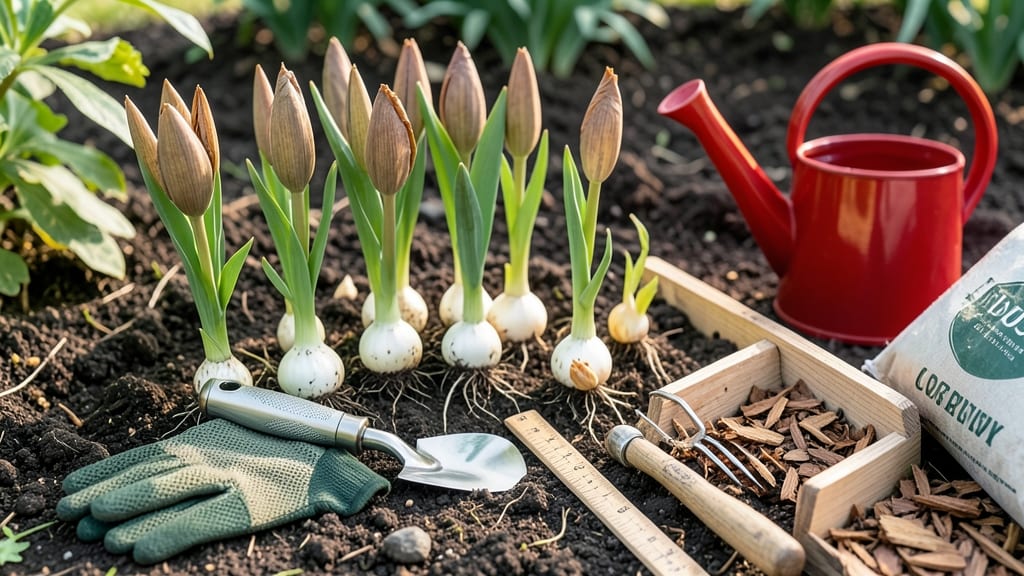
If you’ve ever wondered when do you plant bulbs in Colorado for reliable blooms like tulips and daffodils, the answer might surprise you: timing is everything. Planting them too early risks frost damage, while waiting too late can leave you with sparse blooms—or worse, no flowers at all.
Colorado’s unique climate—with its high elevations, early freezes, and microclimates—means the perfect planting window shifts depending on where you live. Whether you’re in Denver, Colorado Springs, or the mountains, knowing exactly when to plant (and how to adjust for your zone) is the key to vibrant, year-after-year blooms.
In this guide, I’ll break down the ideal months for planting in your specific hardiness zone, plus pro tips for soil prep, frost protection, and choosing the best bulbs for Colorado’s conditions. No more guesswork—just reliable, beautiful blooms come spring.
Ready to transform your garden? Let’s dive into the exact planting schedule that works for Colorado’s diverse landscapes.
Colorado bulb planting calendar by hardiness Zone (with exact months)
Colorado’s diverse elevations and hardiness zones (4-9) create unique planting challenges. Most spring-flowering bulbs like tulips and daffodils thrive when planted in fall, but timing shifts dramatically from Denver to the mountains. Use this guide to pinpoint your ideal planting window based on your zone and elevation.
For Zone 4 (e.g., Fort Collins, Steamboat Springs), aim to plant bulbs between September 15 and October 15. These areas experience earlier frosts (mid-October), so bulbs need time to establish roots before winter.
In Zone 5 (Denver, Colorado Springs), the window stretches from September 1 to November 1, with October being the sweet spot.
Higher elevations (Zones 6-7, like Aspen or Leadville) have shorter growing seasons. Plant bulbs between August 15 and September 30, prioritizing cold-hardy varieties like crocus and allium.
Always check your last frost date—most Colorado regions see frost by October 1, leaving just 6-8 weeks for root growth.
Soil temperature is critical—bulbs need 60°F soil to root. Use a soil thermometer in Zone 4/5; if temps drop below 50°F, delay planting. In Denver (Zone 5), aim for mid-October to avoid winter stress.
For Colorado Springs (Zone 6), extend planting to early November if soil stays warm.
Pro tip: Plant daffodils in September—they’re deer-resistant and bloom early, beating frost. Tulips prefer October planting but may need extra mulch in Zone 4. Always plant bulbs 3x deeper than their height (e.g., 6-inch depth for 2-inch bulbs) to protect from freeze-thaw cycles.
Mountain gardeners (Zones 6-7) should focus on early bloomers like crocus and snowdrops, which tolerate shorter seasons. These bulbs thrive when planted in late August, giving roots time to harden before snowfall. Avoid planting after September 15—roots won’t establish before winter.
Use local frost data to fine-tune timing. Check the Colorado Climate Center or your Cooperative Extension office for hyper-local adjustments. For example, Grand Junction (Zone 7) can plant until November 1, while Durango (Zone 5) should finish by October 15.
Remember: Spring-planted bulbs (like caladiums) are rare in Colorado’s climate. Stick to fall planting for 90% of bulbs—it’s the only way to guarantee vibrant spring blooms despite our unpredictable winters.
Colorado bulb planting calendar by hardiness Zone (with exact months)
Colorado’s diverse elevations and microclimates create wildly different planting windows—what works in Denver (Zone 5) may fail in Aspen (Zone 4) or Colorado Springs (Zone 6). The golden rule? Plant spring-flowering bulbs like tulips and daffodils 6-8 weeks before the ground freezes, typically between mid-September and mid-November.
Below is your zone-by-zone guide to avoid frost damage and ensure reliable blooms.
For Zone 3 (mountain regions above 8,000 ft), aim for late August to early October—earlier than lower elevations because cold arrives faster. In Zone 4 (e.g., Fort Collins, Steamboat Springs), the window narrows to September 15–October 15.
Gardeners in Zone 5 (Denver, Boulder) have until mid-October, while Zone 6 (Colorado Springs, Pueblo) can plant until early November. Zone 7+ (southern Colorado) extends the window to late November.
| Zone | Planting Window | Key Cities | Frost Risk |
|---|---|---|---|
| 3 | Late August–Early October | Aspen, Leadville | High (freezes by Sept 30) |
| 4 | September 15–October 15 | Fort Collins, Steamboat | Moderate (freezes by Oct 15) |
| 5 | Mid-September–Mid-October | Denver, Boulder | Low (freezes by Oct 31) |
| 6 | September–Early November | Colorado Springs, Pueblo | Minimal (freezes by Nov 15) |
| 7+ | September–Late November | Albuquerque (NM border) | Rare (freezes by Dec 1) |
Pro tip: Check your local frost dates using the National Weather Service or Almanac—planting too late risks bulbs sprouting before winter. For high-altitude gardens, add 2-3 extra weeks to account for earlier freezes. Mulch with straw or leaves after planting to insulate bulbs from temperature swings.
Spring-planted bulbs (like caladiums) follow a different schedule—wait until after your last frost date (typically mid-May in Zone 5 or late April in Zone 7). But for classic tulips and daffodils, fall planting is non-negotiable for winter hardiness.
Colorado’s urban heat islands (like Denver) can delay frost by 1-2 weeks compared to rural areas. If you’re unsure, plant test bulbs in a protected spot to gauge your microclimate. The goal? Root establishment before dormancy—that’s how you get bold, long-lasting blooms next spring.