
Plants
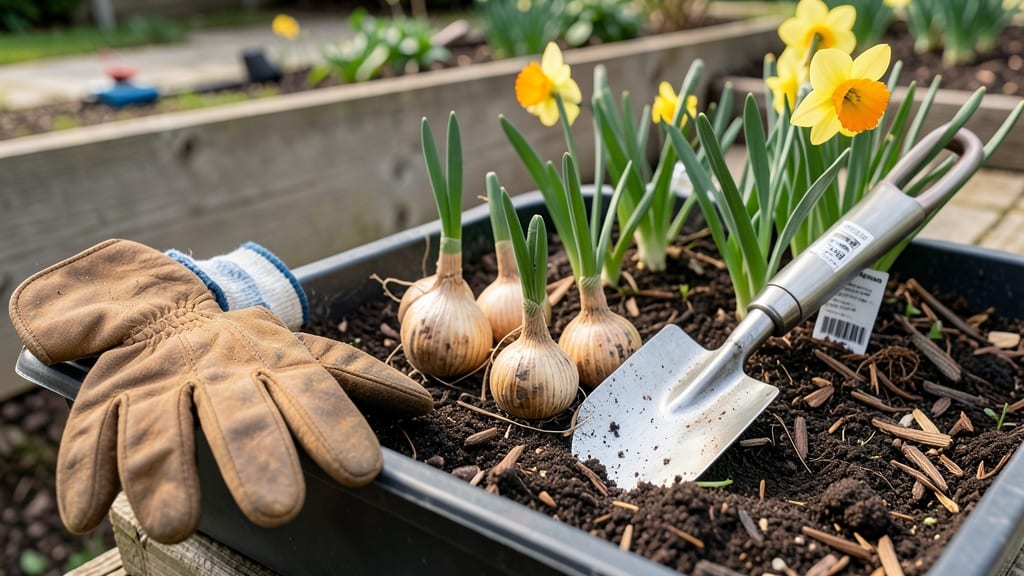
There’s nothing quite like the sight of daffodils 🌼 pushing through snow in Massachusetts—except maybe the frustration of waiting too long to plant them.
The key to those bold spring blooms lies in timing your fall planting just right, and getting it wrong can leave you staring at bare soil instead of cheerful yellow trumpets.
If you’re in Zone 6a, you’ve got a narrow window to work with—typically between October and November—where soil temperatures and frost patterns create the perfect conditions. Plant too early, and your bulbs might sprout before winter sets in.
Too late, and they won’t establish strong roots before the ground freezes. I’ll break down exactly when to plant for that guaranteed spring show.
Beyond the calendar, Massachusetts gardeners need to consider soil prep, bulb depth, and even local frost dates to avoid common pitfalls. Whether you’re a first-time planter or a seasoned gardener, these insights will help you skip the guesswork and get those daffodils 🌼 thriving year after year.
Let’s dive into the science behind fall planting, so you can confidently dig in and set the stage for a garden that wakes up the neighborhood in April.
Ideal planting months for daffodils in Massachusetts Zone 5B
Daffodils thrive in Massachusetts when planted during their natural dormancy period, which aligns perfectly with fall's cooler temperatures. In Zone 5B, aim for late September through early November—this window ensures bulbs establish roots before winter's freeze.
The USDA Zone 5B typically sees first frost around October 15, so planting 6-8 weeks before this date gives roots time to anchor.
Soil temperatures play a critical role. Daffodils need 50-60°F soil to start root growth but must avoid freezing ground. In Massachusetts, soil temps drop below 50°F by mid-October in most regions. Use a soil thermometer to confirm readiness—plant when temps hover around 55°F for consistent success.
Local climate data shows Boston's average last frost date is April 15, while western MA (like Springfield) may see it 2-3 weeks earlier. This means your spring blooms will emerge reliably if planted in October.
For early bloomers, plant in late September; for later varieties, extend to early November.
Here’s how to adjust for early or late frosts. If your area experiences unseasonably warm falls (like 2023’s delayed frost), plant earlier in September to avoid premature sprouting. Conversely, if early freezes threaten, use mulch (straw or leaves) to insulate bulbs until soil temps stabilize.
🌼 Massachusetts Daffodil Planting Timeline
| Month | Ideal Planting Window | Soil Temp Goal | Notes for Zone 5B |
|---|---|---|---|
| Late September | Early plantings for early bloomers | 55-60°F | Best for western MA (drier climates) |
| October | Prime window for most varieties | 50-55°F | Avoid planting after mid-October in eastern MA |
| Early November | Last chance before ground freezes | 45-50°F | Use mulch if frost arrives early |
🌡️ Pro Tip: Check your local Massachusetts Cooperative Extension frost date map for precise adjustments.
Daffodils require 12-16 weeks of chilling to bloom successfully. Planting in October ensures they get enough cold exposure while avoiding rot from wet soil. If you miss the fall window, spring planting is possible but blooms will be delayed by 1-2 years—not ideal for impatient gardeners!
For container gardening, plant daffodils in late September to give roots time to establish before winter. Use well-draining pots and place them in protected locations (like against a north-facing wall) to shield from winter winds. In-ground plantings benefit from organic mulch (3-4 inches) to regulate soil temps.
Local nurseries like Wayland’s Greenhouse or Burgess Seed & Plant Co. often sell pre-chilled bulbs in late fall. These are safe to plant through November, but avoid planting after Thanksgiving—roots won’t have enough time to establish before freeze.
Remember: Daffodil blooms are a direct result of fall planting. Skipping this window means missing the show-stopping spring displays Massachusetts gardens are famous for. Mark your calendar for October 1st—that’s your best bet for perfect timing!
🌱
How to prepare your Massachusetts garden for daffodil planting
Preparing your garden for daffodil planting 🌼 in Massachusetts isn’t just about digging a hole—it’s about creating the perfect conditions for those bulbs to thrive through winter and burst into bloom next spring. Start by testing your soil’s drainage and pH.
Daffodils hate soggy roots, so if your yard has heavy clay, amend it with organic matter like compost or sand to improve airflow. Aim for a pH between 6.0 and 7.0, which most Massachusetts soils naturally support.
Next, choose your planting location carefully. Daffodils need full sun (6+ hours daily), but they also appreciate some afternoon shade in hotter inland areas like Worcester. If your yard has partial shade, opt for semi-dwarf varieties like ‘Tête-à-Tête’—they’ll still bloom but with slightly smaller flowers.
Avoid low-lying spots where frost or water pools, as these can rot bulbs before they even sprout.
If your garden has compacted clay soil, planting daffodils directly can suffocate their roots. Amend with 3-4 inches of compost or use raised beds. Without proper drainage, bulbs rot before winter—even in Zone 5B’s cold climate. Test drainage by digging a 12-inch hole, filling it with water, and timing how long it takes to drain. If it’s still wet after 6 hours, amend immediately.
Before you plant, loosen the soil to a depth of 12-15 inches with a fork or tiller. This breaks up compacted layers and encourages root growth downward.
Mix in bone meal or bulb fertilizer (low in nitrogen) to give your daffodils a nutrient boost without promoting leafy growth at the wrong time. For sandy soils common in coastal areas, add peat moss or coconut coir to retain moisture.
Timing your soil prep is just as critical as planting. Work the soil 2-3 weeks before planting, so it has time to settle. If you’re planting in late October or November, aim to finish soil amendments by early October.
This gives the ground time to stabilize and warm slightly—even in Massachusetts’ chill, it makes a difference for root establishment.
Finally, consider mulching after planting. A 2-3 inch layer of straw or shredded leaves insulates bulbs from temperature swings and suppresses weeds. Just avoid piling mulch directly against bulb stems, as this can cause rot.
In snowy winters, like those in the Berkshires, mulch also protects against heaving—when bulbs push out of the ground due to freeze-thaw cycles.
With these steps, your Massachusetts garden will be a daffodil powerhouse 🌼, ready to deliver vibrant blooms year after year. The key? Prep early, amend smart, and plant before the first hard frost—then sit back and watch nature do the rest.