
Plants
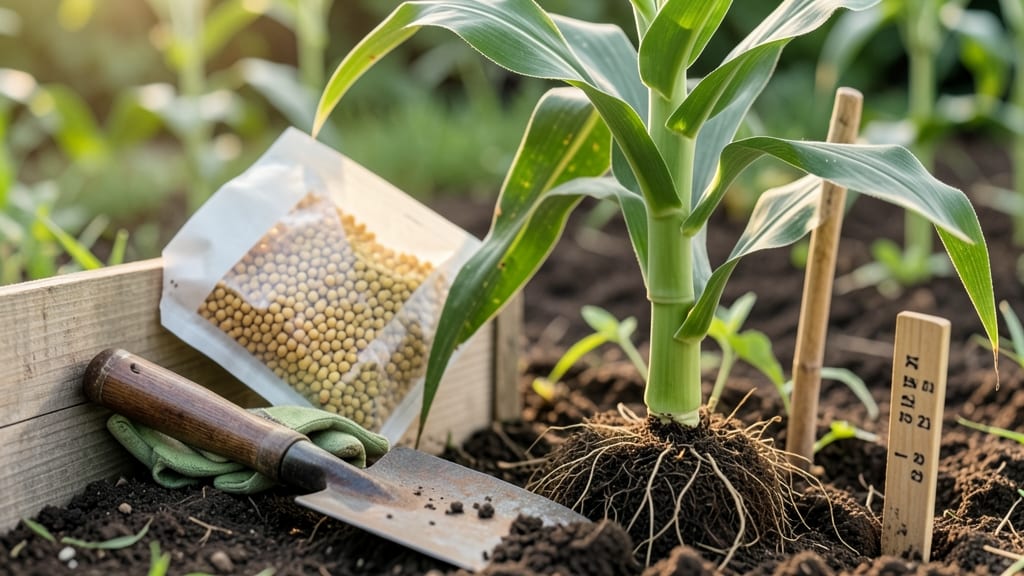
Planting corn in South Carolina at the wrong time could mean the difference between a thriving garden and a disappointing harvest. With the state's unique USDA zones 7b-8a, timing is everything to ensure your 🌽 reaches its full potential.
If you're eager to grow sweet, juicy corn, you'll want to start seeds after the last frost—typically between mid-April and mid-May. This window ensures warm soil temperatures and avoids frost damage, setting your crop up for success.
But here’s the catch: not all corn varieties thrive in South Carolina’s heat. Some need cooler early planting, while others handle summer’s intensity. I’ll break down the best planting strategies for your zone, so you can pick the perfect time for your garden.
Ready to grow corn that’s taller than you and packed with flavor? Let’s dive into the exact timing and tips to make your harvest a success.
South Carolina corn planting dates by USDA Zone: exact timing for optimal growth
South Carolina’s USDA Zones 7b-8b offer a perfect window for growing corn varieties, but timing depends heavily on your local microclimate. Most gardeners in Zone 7b (Upstate) should plant mid-April to early May, while those in Zone 8a (Coastal) can start as early as late March.
The key is waiting until the soil temperature reaches 60°F—cold soil slows germination and invites rot.
For sweet corn, which matures fastest (60-80 days), aim for April planting. Field corn (90-120 days) thrives with May starts, and popcorn (100+ days) benefits from early May planting.
Coastal areas like Charleston can push June plantings for fall harvests, but avoid planting after July 1st—ear formation struggles in late-season heat.
Here’s how to align your planting with South Carolina’s frost-free season (average 210 days): The last frost typically hits mid-March, but early April is safer for seedlings.
First frost arrives mid-November, so plan for a 90-120 day harvest window before cold sets in. Use these USDA Zone guidelines to fine-tune your schedule:
Pro tip: Use black plastic mulch in Zone 7b to warm soil faster—this lets you plant 1-2 weeks earlier without frost risk. For coastal gardeners, shade cloth can protect June plantings from intense summer sun, which stresses young plants.
Always check the SC Agricultural Extension Service for localized frost alerts—their Frost Free Date Map is updated annually.
If you’re growing heirloom corn like ‘Country Gentleman’ (120+ days), start seeds indoors in March and transplant after last frost. For short-season varieties like ‘Silver Queen’ (70 days), direct-sow in late April for a July harvest.
Remember: Corn thrives on warmth, so soil temperature matters more than air temperature—use a soil thermometer to confirm readiness.
Another critical factor is spacing. In Zone 8a, plant in blocks (not rows) to improve pollination—wind carries pollen better when plants are clustered. Use 3-foot row spacing and 4-inch plant spacing for sweet corn; field corn needs 12-inch spacing to avoid overcrowding.
Thin seedlings to strongest stalks once they’re 6 inches tall, or you’ll waste resources on weak plants.
For organic gardeners, add compost or aged manure 2 weeks before planting to boost soil fertility. Corn is a heavy feeder, so aim for soil pH 6.0–6.8.
Test your soil in early spring—if phosphorus is low (30 ppm), side-dress with bone meal at planting. Nitrogen is equally critical; apply a balanced fertilizer (10-10-10) at planting and again when plants are knee-high.
One common mistake is planting too densely to save space—this leads to poor air circulation and fungal diseases like corn smut. In humid coastal areas, space plants 6 inches apart to reduce risk.
Also, avoid planting near potatoes or tomatoes, which compete for nutrients. Instead, pair corn with beans or squash for a three-sisters garden—beans fix nitrogen, squash suppresses weeds, and corn provides shade.
Finally, keep an eye on weather forecasts in May. If a cold snap is predicted, delay planting until soil warms again. Use row covers for Zone 7b seedlings if nights dip below 50°F.
With the right timing, your South Carolina corn will reward you with ears taller than your waist and kernels so sweet they’ll make your neighbors jealous. 🌽
How to adjust planting time for early vs. late corn varieties in SC’s climate
South Carolina’s diverse microclimates mean your Piedmont region may have 2-3 weeks earlier planting windows than coastal areas. Choosing the right corn variety and adjusting timing based on your zone ensures you avoid frost damage or heat stress—both of which can ruin your harvest.
For short-season varieties like ‘Silver Queen’ (60-70 days to maturity), aim to plant in late March to early April in Zone 8a. These quick-maturing hybrids are perfect for cooler inland areas where summers can be short but intense.
In Zone 7b, wait until mid-April to avoid late spring frosts.
Long-season varieties like ‘Peaches and Cream’ (90+ days) need warmer soil and longer growing seasons. Plant these in mid-to-late May in coastal Zone 8b, where summers are hot and humid. In Piedmont Zone 7b, stick to early May to ensure ears mature before first frost in November.
Early Varieties (60-80 Days)
- Faster harvest (ready by July)
- Lower frost risk in early spring
- Great for short seasons (Piedmont)
- Smaller ears (less yield)
- Sensitive to heat if planted too late
- Limited variety options
Late Varieties (90+ Days)
- Larger, sweeter ears
- Better heat tolerance (coastal areas)
- Longer harvest window
- Risk of late-season drought
- Longer exposure to pests
- Must plant earlier (higher frost risk)
If you’re in a transition zone (like Charleston vs. Greenville), consider succession planting: start with early varieties in March and follow with mid-season types like ‘Bodacious’ (85 days) in early April. This extends your harvest from July through September.
For coastal gardeners, prioritize drought-tolerant varieties like ‘Country Gentleman’ (100 days), which handles humid summers better than traditional sweet corn. In Piedmont regions, focus on earlier maturing types to avoid summer heat stress.
Pro tip: Use a soil thermometer to confirm 60°F+ soil temps before planting—this is critical for germination. If temps dip below 50°F, wait another week to avoid slow, uneven sprouting.