
Plants
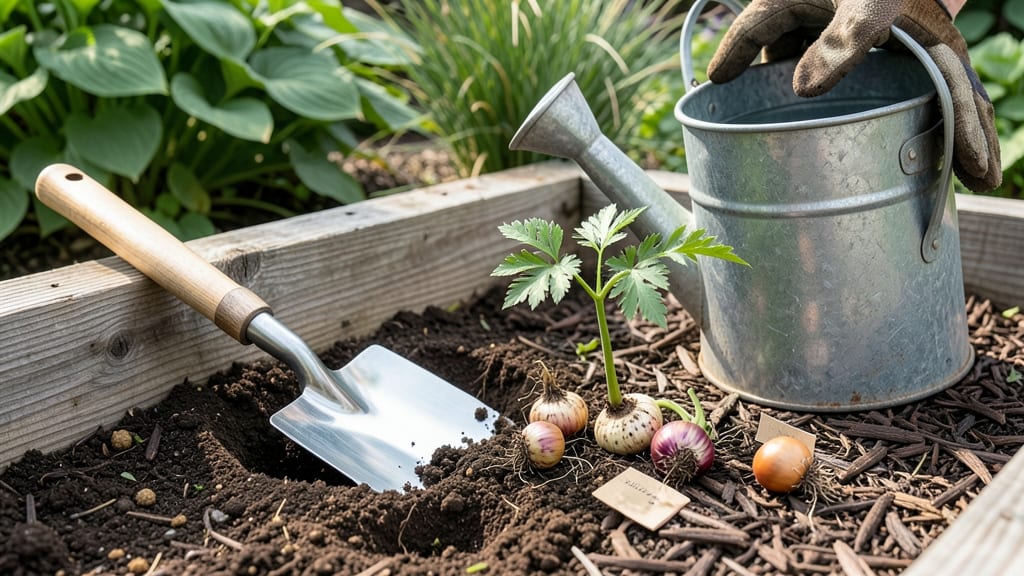
Timing your dahlia planting in New Zealand can make or break your summer garden—especially when coastal winds and inland heatwaves play such different roles. Whether you're in USDA Zone 8 (like the South Island) or Zone 10 (North Island), getting it wrong means missed blooms or struggling tubers.
Most gardeners in NZ wait until late August to early October, but that’s just the starting point. Coastal areas like Auckland need to hold off longer than inland regions, where soil warms faster.
The key? Planting after your last frost date—typically mid-September in cooler zones, but earlier in warmer pockets.
Here’s what you’ll discover: how to adjust for microclimates, prepare tubers for NZ’s unpredictable spring, and avoid the 3 biggest mistakes that waste time and money. Let’s get your 🌸 dahlias off to the perfect start.
From chitting tubers to choosing the right spot, this guide cuts through the guesswork so you can enjoy vibrant blooms from February to May. Ready to transform your garden?
Optimal planting times for dahlias in NZ coastal vs inland regions
New Zealand’s diverse climate means dahlia planting times vary dramatically between coastal and inland areas. In the North Island, warmer microclimates allow earlier planting, while the South Island often waits until frost risk has completely passed.
Even within regions, coastal winds and inland heatwaves create unique challenges for these tender tubers.
For coastal areas like Auckland or Wellington, aim to plant dahlia tubers between late September and early October. The last frost date here typically falls around mid-September, but coastal winds can delay soil warming.
In contrast, inland regions such as Canterbury or Central Otago often wait until mid-to-late October when soil temperatures consistently reach 10°C+.
🌸
| Region | Last Frost Date | Ideal Planting Window | Soil Temp Threshold | Key Risk |
|---|---|---|---|---|
| North Island (Coastal) | Mid-September | Late Sept–Early Oct | 10°C+ | Coastal windburn |
| North Island (Inland) | Late Sept–Early Oct | Early–Mid Oct | 12°C+ | Heat stress |
| South Island (Coastal) | Late Sept–Early Oct | Mid–Late Oct | 10°C+ | Late frosts |
| South Island (Inland) | Mid–Late Oct | Late Oct–Early Nov | 12°C+ | Slow soil warming |
In coastal NZ, the primary challenge is wind exposure, which can dry out tubers before roots establish. Use windbreaks or plant near fences to shield young shoots.
Meanwhile, inland areas face heat stress if planted too early—soil can bake, stunting root growth. Test soil temperature with a thermometer (aim for 10–15°C) before planting.
For container growing, adjust timing by 2–3 weeks earlier since pots warm faster. However, containers also dry out quicker, so monitor moisture closely.
If you’re in a transition zone (e.g., Hawke’s Bay or Nelson), err on the side of planting later—dahlias are more forgiving when delayed than when exposed to cold.
🌿
Pro tip: Chit your tubers (place in bright light to encourage sprouting) 4–6 weeks before planting. This gives you a head start in cooler regions like the South Island, where the growing season is shorter.
Just avoid chitting tubers meant for coastal areas too early—they may sprout before soil is ready, risking wind damage.
Finally, remember that dahlia varieties differ in hardiness. Dwarf varieties (e.g., ‘Café au Lait’) tolerate cooler soils better than tall varieties (e.g., ‘Arabian Night’), which need warmer conditions to thrive. Always check the breeder’s guidelines for your specific cultivar.
☀️
How to prepare dahlia tubers for NZ’s unique climate zones
Preparing dahlia tubers for New Zealand’s varied climates is key to ensuring vibrant blooms. Coastal areas like Wellington or Auckland face windy, damp conditions, while inland regions like Canterbury experience hotter, drier summers.
Both demand careful tuber prep to thrive. Start by chitting tubers indoors 6-8 weeks before your last frost date—this jumpstarts growth and gives you a head start on the season.
New Zealand’s USDA zones 8-10 mean soil temperatures can fluctuate wildly. For coastal zones, aim to plant when daytime temps consistently hit 15°C—usually late September.
Inland areas can plant slightly earlier, around mid-September, as they warm faster. Always check your local frost-free date to avoid early planting disasters.
- 🔍 Inspect tubers for rot or soft spots—discard any damaged ones immediately.
- 🌡️ Chit tubers by placing them in a tray with eyes facing up, in a light, warm spot (18-20°C) for 4-6 weeks.
- 🌱 Soak tubers for 2 hours before planting to rehydrate after winter dormancy.
- 🪴 Enrich soil with compost or aged manure for well-draining, fertile ground—dahlias hate soggy roots.
- 🌿 Plant tubers 10-15cm deep, with the eyes facing upward, in a sunny spot.
- 💧 Water deeply after planting to settle soil and encourage root growth.
For coastal gardens, protect young plants from salty winds by planting near a windbreak or using container growing with extra mulch. Inland gardeners should focus on water retention—dahlias wilt quickly in dry heat.
Mulch with straw or bark to keep roots cool and moist. Remember, dahlias are not frost-hardy, so always wait until after your last frost date.
One common NZ-specific trick? Use black plastic mulch in warmer regions to speed up soil warming and extend the growing season. This works especially well in Northland or Bay of Plenty, where summers are long and hot.
Just remove it once plants are established to avoid overheating. For South Island gardeners, prioritize late September planting and use row covers if frost lingers.
After planting, monitor soil moisture closely. Dahlias in containers dry out faster than in-ground plants, so check pots daily during heatwaves. Inland areas may need drip irrigation to prevent stress cracks in stems.
With the right prep, your dahlias will reward you with bold blooms from December to May—perfect for NZ’s summer garden displays.