
Plants
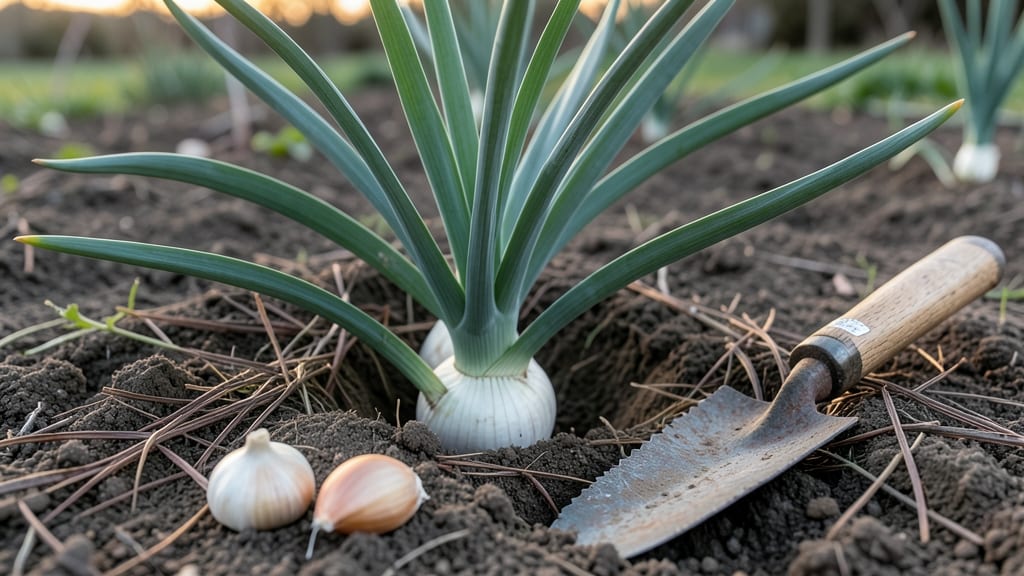
If you're wondering when to plant garlic in Oregon, timing isn't just important—it's the difference between a harvest of small, weak bulbs and the kind of plump, flavorful garlic that makes your kitchen the envy of the neighborhood.
Oregon's 7b-9a climate gives gardeners a narrow but critical window—typically between October and November—when planting garlic cloves for the best results. This fall timing allows the roots to establish before winter dormancy, setting the stage for robust growth when spring arrives.
But here's the catch: planting too early or too late can throw off the entire growing cycle. Whether you're in the Willamette Valley, Eastern Oregon, or along the coast, understanding your microclimate and soil conditions is key to maximizing your harvest potential.
In this guide, I'll walk you through the exact timing, soil prep, and local considerations you need to grow overwintered garlic that's bigger, stronger, and more flavorful than anything you've grown before. Let's get started.
Best fall planting windows for Oregon garlic by region
Oregon’s diverse climate means your garlic planting window depends on whether you’re in the Willamette Valley, Eastern Oregon, or the coastal areas. Each region has unique frost dates and soil temperatures that dictate the perfect time to plant for large, flavorful bulbs.
Let’s break down the ideal timing and what to watch for in your specific zone.
For most of Oregon, the sweet spot is planting garlic 4-6 weeks before the ground freezes. This gives roots time to establish before winter dormancy.
In USDA zones 7b-9a, that typically means mid-October to early November, but coastal areas may need to start slightly earlier due to milder winters.
🌱
Oregon Garlic Planting Windows by Region
| Region | USDA Zone | Ideal Planting Window | Soil Temp Goal | Last Frost Date |
|---|---|---|---|---|
| Willamette Valley | 7b-8a | Late October - Early November | 45-55°F | Mid-November |
| Eastern Oregon | 6a-7b | Mid-October - Late October | 40-50°F | Early November |
| Coastal Oregon | 8a-9a | Early October - Mid-October | 50-60°F | Late November |
In the Willamette Valley, aim for late October to early November when soil temperatures drop to 45-55°F. This cooler soil prevents premature sprouting while allowing roots to establish before winter. If you plant too early, cloves may sprout and get damaged by frost.
For Eastern Oregon, where winters are colder, plant mid-October to late October. The soil needs to be cool but not frozen—40-50°F is ideal. Eastern Oregon’s shorter growing season means you’ll want to maximize root development before the first frost, which typically hits around early November.
Coastal gardeners have the longest window due to milder winters. Start planting as early as early October and wrap up by mid-October. Soil temperatures should be between 50-60°F, and the last frost rarely occurs before late November, giving your garlic extra time to establish.
Pro tip: Use a soil thermometer to check temperatures at a depth of 4 inches. If the soil is below 40°F, wait a few days before planting. Cold soil can stunt root growth and lead to smaller bulbs.
🌡️
One common mistake is planting garlic too late in the fall. If you miss the window, you can try a spring planting (March-April), but bulbs will be smaller and less flavorful.
Spring-planted garlic also struggles with bolting—when it sends up a flower stalk instead of forming bulbs—due to Oregon’s long daylight hours.
To extend your planting window, use row covers or mulch to protect young plants from early frosts. A thick layer of straw or leaves (4-6 inches) insulates the soil and keeps roots warm during cold snaps.
🌿
Remember, garlic is a cool-season crop, meaning it thrives in Oregon’s mild winters. The key is giving it enough time to establish roots before the ground freezes solid. With the right timing, you’ll harvest plump, papery-skinned bulbs by late June or July—just in time for summer cooking!
Best fall planting windows for Oregon garlic by region
Oregon's diverse climate means your garlic planting window depends heavily on where you live. The Willamette Valley (USDA zones 7b-8a) typically offers the longest growing season, while Eastern Oregon (zones 6b-7a) and the coastal regions (zones 7b-9a) have shorter windows due to temperature variations.
Aim to plant 4-6 weeks before your first hard frost—usually between mid-October and early November—to give roots time to establish before winter.
For Willamette Valley gardeners, the sweet spot is October 15 to November 1. This timing ensures garlic gets enough chill hours for bulb development while avoiding spring planting too early, which can lead to bolting (flowering) and smaller bulbs.
In Eastern Oregon, where winters are colder, plant between September 20 and October 15 to account for earlier frosts and shorter growing seasons.
Coastal Oregon's milder winters allow for a slightly later window—October 30 to November 15. However, avoid planting after November 15, as soil temperatures may drop too low for root establishment.
Always check your local USDA zone and last frost date for precise timing, as microclimates can shift planting windows by weeks.
Soil temperature is just as critical as planting dates. Garlic cloves need soil temperatures between 40-60°F to sprout successfully. Use a soil thermometer to monitor conditions—if temperatures drop below 40°F, wait until they rise again.
In Eastern Oregon, where soils cool faster, aim for the earlier end of the window to avoid missed opportunities.
Pro tip: If your soil stays too warm after planting, garlic may sprout too early and become vulnerable to frost damage. A light layer of straw mulch (3-4 inches) can help regulate soil temperature and protect young plants.
Just be sure to remove it in early spring to prevent rot and allow sunlight to reach the leaves.
Remember, garlic planted in fall yields the largest bulbs because it undergoes vernalization (a cold period) that triggers bulb development. Spring-planted garlic in Oregon rarely reaches the same size or flavor, so stick to fall for the best results.
With the right timing, you’ll be harvesting plump, flavorful bulbs by late June or July of the following year.