
Plants
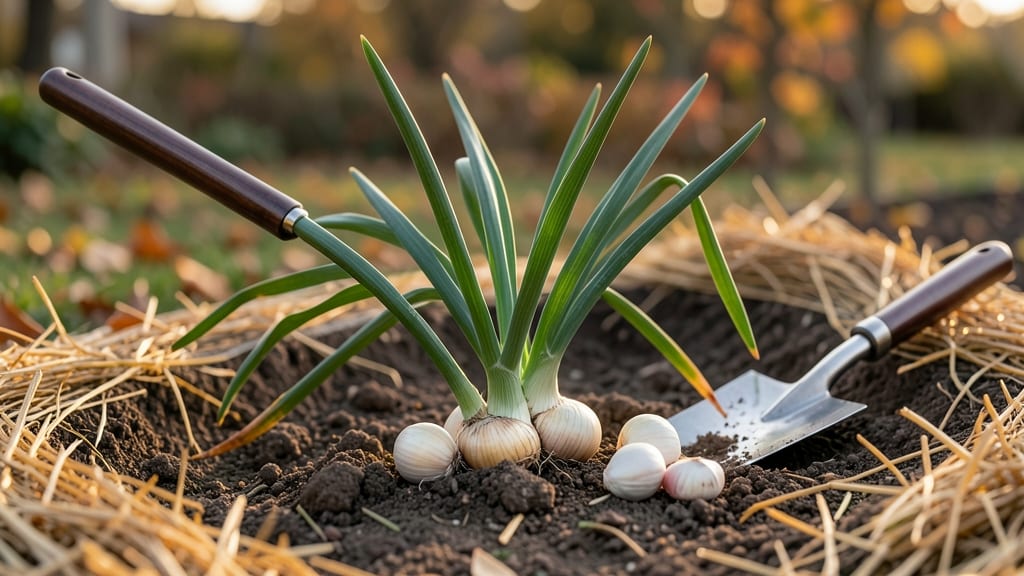
Timing your garlic planting in Zone 7 could mean the difference between a bumper crop of plump, flavorful bulbs and a disappointing harvest of weak sprouts.
Unlike many vegetables, garlic thrives when planted in the fall, but getting the window just right is key—especially when your last frost arrives around October 15th.
Most gardeners in Zone 7 plant their 🧄 between late October and early November, giving the cloves time to establish roots before winter dormancy. This cold stratification period actually strengthens the bulbs, setting the stage for bigger harvests come summer.
But if you miss this window, don’t panic—spring planting is still an option, though it requires extra care to prevent bolting.
In this guide, I’ll break down the exact planting dates that work best in Zone 7, including how to adjust for early or late frosts. You’ll also discover why soil temperature matters more than calendar dates and how to avoid common mistakes that sabotage garlic growth.
Let’s get those cloves in the ground at the perfect moment!
Whether you’re a seasoned gardener or just starting with garlic, mastering this timing secret will transform your harvest. By the end, you’ll know exactly when to plant for maximum bulb size—and why patience during those cold winter months pays off in bold, flavorful results.

Best fall planting window for garlic in Zone 7 (with exact dates)
In Zone 7, garlic thrives when planted in late fall—typically between mid-October and early November. This timing lets the cloves experience cold stratification, a process that hardens them for spring growth. Missing this window can lead to weak bulbs or even bolting (flowering too early).
Zone 7's first frost date (around October 15) is your guide. Aim to plant 4-6 weeks before the ground freezes solid. For example, in Virginia, this might mean planting by November 1, while Tennessee gardeners could wait until November 15.
Here’s why late fall works best: garlic needs 60-80 days of cold temperatures (below 50°F) to develop strong roots. Planting too early (like September) risks rot, while planting too late (December) may not give enough cold exposure.
Regional adjustments matter! In North Carolina’s Piedmont, cooler microclimates (like Asheville) can handle earlier planting, while Raleigh’s warmer pockets may need a later start. Always check your local USDA frost maps for precision.
Pro tip: Use a soil thermometer to confirm the ground is below 50°F before planting. This ensures your garlic gets the cold stratification it craves for robust bulbs.
| Region | Ideal Planting Window | Key Adjustment |
|---|---|---|
| Virginia (Richmond) | October 15–November 1 | Avoid planting after November 10 (risk of frost damage) |
| North Carolina (Raleigh) | October 20–November 5 | Soil warms faster; wait for cooler nights |
| Tennessee (Nashville) | October 30–November 15 | Later frost dates allow extended window |
| All Regions | 2–4 Weeks Before Frost | Use a soil thermometer for accuracy |
If you miss fall planting, don’t despair! Early spring planting (February–March) is your backup. However, spring-planted garlic often yields smaller bulbs because it skips the cold stratification phase. For best results, prioritize fall.
For hardneck vs. softneck varieties, timing stays the same. But hardnecks (like Rocky Mountain) need more cold exposure for scape production, while softnecks (like Silverskin) tolerate slightly warmer winters. Choose based on your climate’s severity.
Remember: garlic planted in fall will sprout in early spring (March–April) and mature by July–August. Mark your calendar now—your 2025 harvest depends on it!
Best fall planting window for garlic in Zone 7 (with exact dates)
Timing your garlic planting in Zone 7 is all about catching that sweet spot between first frost and ground freeze. For most of Zone 7—including Virginia, North Carolina, and Tennessee—this means planting between mid-October and early November.
This 4-6 week window gives garlic roots time to establish before winter dormancy, setting the stage for large, flavorful bulbs next summer.
Why fall? Garlic thrives on cold stratification, a process where cool temperatures trigger root growth while the plant remains dormant above ground. Planting too early (like September) risks bolting (premature flowering), while planting too late (December+) leaves insufficient time for root development before winter.
Aim for 2-4 weeks before the ground freezes—typically October 15–November 15 in most of Zone 7.
| Region | Ideal Planting Window | Key Adjustment |
|---|---|---|
| Northern Zone 7 (e.g., Roanoke, VA) | October 15–November 1 | Plant earlier if soil stays warm; later if early frosts hit. |
| Central Zone 7 (e.g., Raleigh, NC) | October 20–November 10 | Avoid planting after November 15—roots won’t establish in time. |
| Southern Zone 7 (e.g., Chattanooga, TN) | November 1–November 15 | Soil stays warmer longer; plant closer to November 1. |
| High Elevation (e.g., Blue Ridge Mountains) | September 20–October 10 | Cooler microclimates freeze earlier—plant 2 weeks sooner. |
Check your local first frost date (usually mid-October in Zone 7) and count backward. For example, if your frost date is October 20, aim to plant by October 6–10. Use a soil thermometer to confirm the ground is below 50°F—this signals it’s time to plant.
Pro tip: If your soil stays warm past November, consider a light mulch (straw or leaves) to cool it down.
What if you miss fall? Don’t panic! You can still plant garlic in early spring (February–March), but bulbs will be smaller and less robust. Spring-planted garlic relies on summer’s heat to mature, so it’s best for green garlic (scapes and shoots) rather than full bulbs.
For maximum yield, fall planting is non-negotiable.
One last tip: Save your best garlic bulbs from harvest for planting next year. Break them into individual cloves, plant the largest cloves (they produce bigger bulbs), and discard any soft or moldy ones. This ensures you’re starting with high-quality planting stock every season.
With the right timing, your Zone 7 garlic will reward you with plump, papery-skinned bulbs ready for harvest next July–August. Just remember: fall = big bulbs, spring = small bulbs, and timing = everything.