
Plants
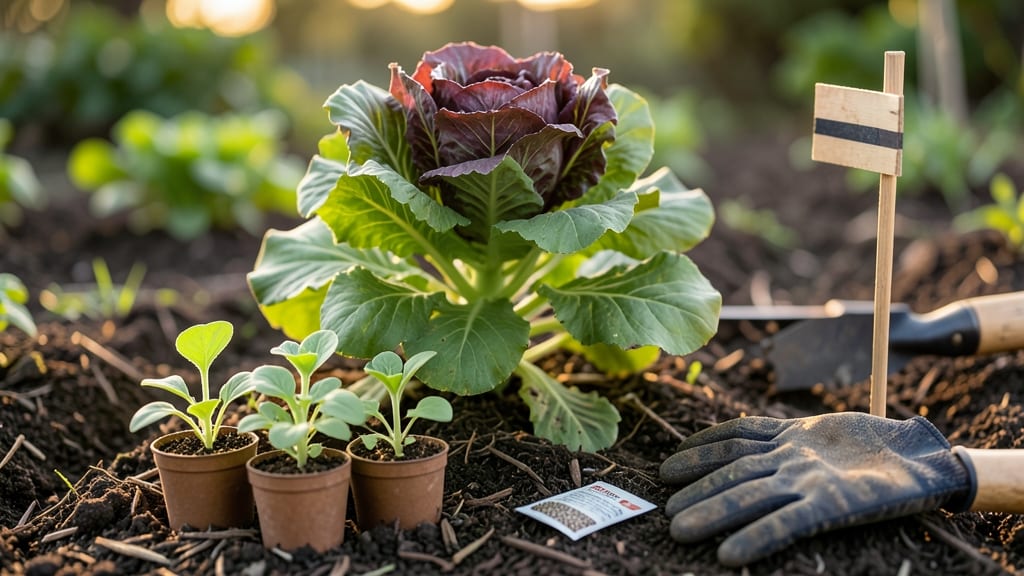
Planting lettuce in Texas isn't just about tossing seeds in the dirt—it's about outsmarting the heat and making the most of your cool-season windows. With the right timing, you can enjoy crisp 🥬 all the way from fall harvests to spring salads, even in zones 8a-10b.
Most gardeners in Texas learn the hard way that summer planting leads to bitter, bolted lettuce. But by focusing on fall and spring, you can avoid this common mistake and grow lettuce that stays sweet and tender.
The key? Planting between September-October for fall harvests and February-March for spring, when temperatures are cooler.
Whether you're in North Texas or down in the Rio Grande Valley, your microclimate plays a big role in success. I'll show you how to adjust your planting schedule based on your specific zone, plus pro tips to extend your growing season with shade and smart watering.
Ready to grow lettuce that actually thrives in Texas? Let's dive into the exact timing, varieties, and techniques that'll keep your garden producing all season long—no bitter surprises included.
Best planting times for lettuce in Texas heat zones (north vs. south)
Texas's diverse climate means lettuce thrives in cooler months, but the exact timing depends on your USDA heat zone.
In North Texas (Zones 7b-8a), you can start planting lettuce as early as late August for a fall harvest, while South Texas (Zones 9a-10b) gardeners should wait until September to avoid summer bolting.
The key is planting when soil temperatures drop below 75°F—this prevents the bitter taste and rapid bolting that Texas heat triggers.
For a spring harvest, aim to plant lettuce 6-8 weeks before your last frost date. In Zone 8a, this means February 15, while Zone 10a gardeners can start as early as January 15.
Spring planting is trickier in Texas because warm spells can still cause bolting, so be ready to use shade cloth or row covers if temperatures rise unexpectedly.
Here’s the breakdown of ideal planting windows by Texas region, including temperature thresholds and harvest timelines to help you plan your garden calendar:
| Texas Region | USDA Zone | Fall Planting Window | Spring Planting Window | Soil Temp Threshold | First Frost Date |
|---|---|---|---|---|---|
| North Texas | 7b-8a | Late August - Mid-September | Mid-February - Early March | Below 75°F | Mid-December |
| Central Texas | 8a-8b | Early September - Late September | Late February - Early March | Below 75°F | Late November |
| South Texas | 9a-10b | Mid-September - Early October | January - Early February | Below 80°F | Mid-November |
If you’re in Zone 10b or lower, like the Rio Grande Valley, you might even squeeze in a winter harvest by planting in November. However, avoid planting during summer months (May-August)—lettuce will bolt within 2-3 weeks in Texas’s heat, turning your salad greens into bitter, inedible stalks.
For successful fall planting, start seeds indoors 4-6 weeks before your target outdoor date to give seedlings a head start. Harden them off for 7-10 days before transplanting, and choose a morning sun location to avoid afternoon heat stress.
If you’re planting in spring, use row covers to protect young plants from unexpected warm spells.
One common mistake Texas gardeners make is planting too late in fall or too early in spring, leading to stunted growth or bolting. To avoid this, check your local frost dates (use the Texas A&M AgriLife Extension as a resource) and adjust your planting schedule accordingly.
For example, if you’re in Dallas (Zone 8a), planting lettuce after October 15 risks exposure to early frost.
Another pro tip: Succession planting every 2-3 weeks in fall and spring ensures a continuous harvest. This works especially well for leaf lettuce varieties, which you can harvest multiple times by picking outer leaves.
For head lettuce, like Romaine, stick to single plantings every 4-6 weeks to avoid overcrowding.
Finally, pay attention to microclimates in your garden. A north-facing bed stays cooler than a south-facing one, so you might extend your growing season by 2-3 weeks in shaded areas. Use mulch or shade cloth to further regulate soil temperature and moisture levels.
With the right timing and a little extra care, you can enjoy crisp, sweet lettuce straight from your Texas garden—even in the heat! 🌱
Best planting times for lettuce in Texas heat zones (north vs. south)
Texas's diverse heat zones mean your lettuce planting schedule should shift depending on whether you're in North Texas (8a-9a) or the Rio Grande Valley (10a-10b). In cooler northern zones, you can push fall planting later and spring planting earlier than in hotter southern areas where heat arrives sooner.
The golden rule for Texas lettuce: plant when daytime highs stay below 75°F (24°C) and nighttime lows don't dip below 40°F (4°C). This gives you two ideal windows: September-October for fall harvests and February-March for spring. Let's break down the exact timing by zone.
📊 Comparison Table: Texas Lettuce Planting by Heat Zone
| Heat Zone | Fall Planting Window | Spring Planting Window | First Frost Date | Last Frost Date | Key Temperature Threshold |
|---|---|---|---|---|---|
| North Texas (8a) | September 1 - October 15 | February 15 - March 15 | December 15 | February 15 | Daytime highs < 70°F (21°C) |
| Central Texas (9a) | August 20 - September 30 | February 1 - March 10 | December 1 | February 1 | Daytime highs < 75°F (24°C) |
| South Texas (10a-10b) | August 1 - September 15 | January 20 - February 20 | November 15 | January 15 | Daytime highs < 80°F (27°C) |
Notice how the planting windows shrink in hotter zones? In South Texas, you only have about 6 weeks for fall planting compared to 8 weeks in North Texas. This is why shade cloth becomes your best friend in warmer areas—it can extend your window by 2-3 weeks.
For fall lettuce, aim to plant 6-8 weeks before your first frost date. This gives your plants time to mature before winter sets in. In North Texas, that means late September plantings for a December harvest, while South Texas gardeners should plant by early September.
Spring plantings should happen 4-6 weeks before your last frost date to ensure you don't lose plants to unexpected cold snaps. In Zone 10b, this means you can start as early as January, while Zone 8a gardeners should wait until mid-February.
Pro tip: Use a seed starting chart based on your lettuce variety's days to maturity. For example, Buttercrunch (45 days) needs different timing than Romaine (60 days). Always check the back of your seed packet for exact recommendations.