
Plants
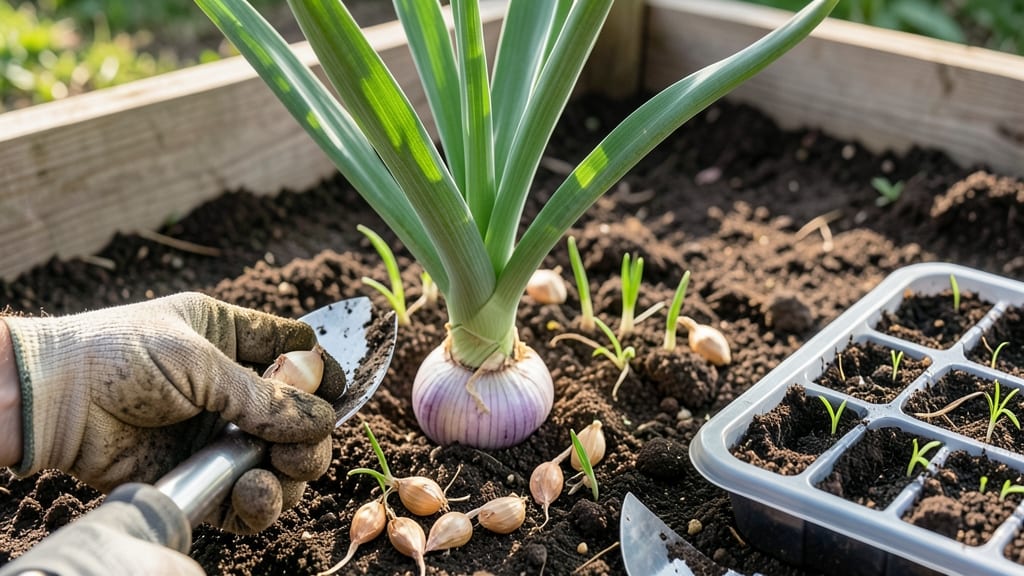
Timing your 🧅 onion planting in Ohio isn’t just about following a calendar—it’s about outsmarting the region’s fickle weather. With last frosts creeping into mid-April and first frosts arriving by mid-October, planting too early risks frost damage, while waiting too long can lead to bolting or stunted bulbs.
Ohio gardeners have two prime windows: early spring (March–April) for quick-maturing varieties and late summer (August–September) for overwintering onions that mature the following year.
But here’s the catch—short-day onions (like Texas Early White) thrive in Ohio’s climate, while long-day types (like Yellow Sweet Spanish) need careful timing to avoid premature flowering.
Whether you’re using sets, seedlings, or seeds, the key is planting 4–6 weeks before your last frost date—typically by early April for spring harvests or late August for fall-planted onions. This schedule ensures your crop matures before summer’s heat or winter’s chill throws a wrench into your plans.
Let’s break down the exact steps to maximize your harvest, from soil prep to variety selection, so you can enjoy homegrown onions from June through September—without the guesswork.
Ohio onion planting calendar by variety: short-day vs. long-day types
Ohio’s USDA zones 5-8 create a unique challenge for onion growers—short-day varieties from the South struggle to bulb properly, while long-day varieties from the North thrive. The key? Planting at the right time to match your onion’s day-length requirements with Ohio’s 14-16 hour summer days.
Southern Ohio (zones 7-8) can grow both types, but northern Ohio (zones 5-6) should focus on long-day onions like 'Sweet Sandwich' or 'Yellowstone'.
Timing also depends on whether you’re planting sets (small bulbs) or seeds. Sets are faster and more forgiving, while seeds give you more variety but need earlier starts.
For Ohio, spring planting is the most reliable method, with a secondary fall planting window for overwintering varieties. Let’s break down the exact windows by variety and region.
| Variety Type | Best Planting Window | USDA Zones | Notes |
|---|---|---|---|
| Long-Day Onions | March 15–April 15 (spring) or August 15–September 15 (fall) | 5–8 (all Ohio) | Best for northern Ohio; 'Candy' or 'Texas Early White' varieties. |
| Short-Day Onions | April 1–May 1 (spring only) | 7–8 (southern Ohio) | Risk bolting in northern Ohio; 'Texas Grano' or 'Red Creole' work best. |
| Day-Neutral Onions | March 1–April 15 (spring) or August 1–September 10 (fall) | 5–8 (all Ohio) | Most reliable for Ohio; 'Yellow Granex' or 'Sweet Spanish' varieties. |
For northern Ohio (zones 5-6), stick to long-day or day-neutral varieties planted in early spring (March 15–April 15). These varieties need Ohio’s long summer days to trigger bulb formation. If you plant short-day onions too late, they’ll bolt (send up a flower stalk) instead of bulbing.
In southern Ohio (zones 7-8), you have more flexibility—short-day onions can work if planted by April 1, but day-neutral varieties are still the safest bet.
Ohio’s last frost date typically falls around April 15, but this varies by microclimate. Areas near Lake Erie (e.g., Cleveland, Toledo) may experience frost as late as May 1, while inland regions (e.g., Columbus, Cincinnati) usually warm up faster.
To hedge your bets, use frost cloth for early plantings or opt for transplants instead of seeds, which mature faster.
Don’t overlook fall planting for overwintering onions! Plant day-neutral or long-day sets in late summer (August 15–September 15) to harvest in early fall or store for winter use. These onions develop slowly over fall and winter, then bulk up in spring.
Just be sure to mulch heavily (with straw or leaves) to protect them from freeze-thaw cycles and voles, which love tender onion greens.
Pro tip: If you’re growing onions from seed, start them indoors 10-12 weeks before your last frost date (around February 1 for most of Ohio). Use grow lights to provide 14-16 hours of light daily, mimicking Ohio’s summer conditions.
This head start gives seedlings a 3-4 week advantage over sets, which is critical in Ohio’s short growing season.
Finally, Ohio’s soil temperature plays a role—onions prefer 40–65°F soil. If you plant too early and the soil is still cold (below 40°F), germination slows or stops. Use a soil thermometer to check before planting.
In northern Ohio, wait until soil temps consistently stay above 45°F (usually mid-April), while southern Ohio can plant as early as March 1.
For a foolproof schedule, aim to have mature onions ready to harvest by July 1 (spring-planted) or September 1 (fall-planted). This timing ensures you avoid Ohio’s late summer heat, which can cause onions to bolt prematurely or develop bitter flavors.
With the right variety and timing, you’ll enjoy crisp, sweet onions straight from your Ohio garden!
🌱
Step-by-step onion planting guide for Ohio gardeners: when and how to start
Ohio gardeners have two main ways to grow onions: starting from onion sets (small bulbs) or sowing onion seeds indoors. For most home gardeners, onion sets are the easiest option because they’re ready to plant as soon as the soil warms.
If you’re growing from seed, start them indoors 8–10 weeks before your last frost date—around February 15 for most of Ohio.
Before planting, prepare your soil by mixing in compost or well-rotted manure to improve drainage and fertility. Onions hate soggy soil, so if your garden tends to stay wet, consider raising beds or amending with sand or perlite.
Aim for a pH between 6.0 and 7.0, as onions thrive in slightly acidic to neutral soil.