
Plants
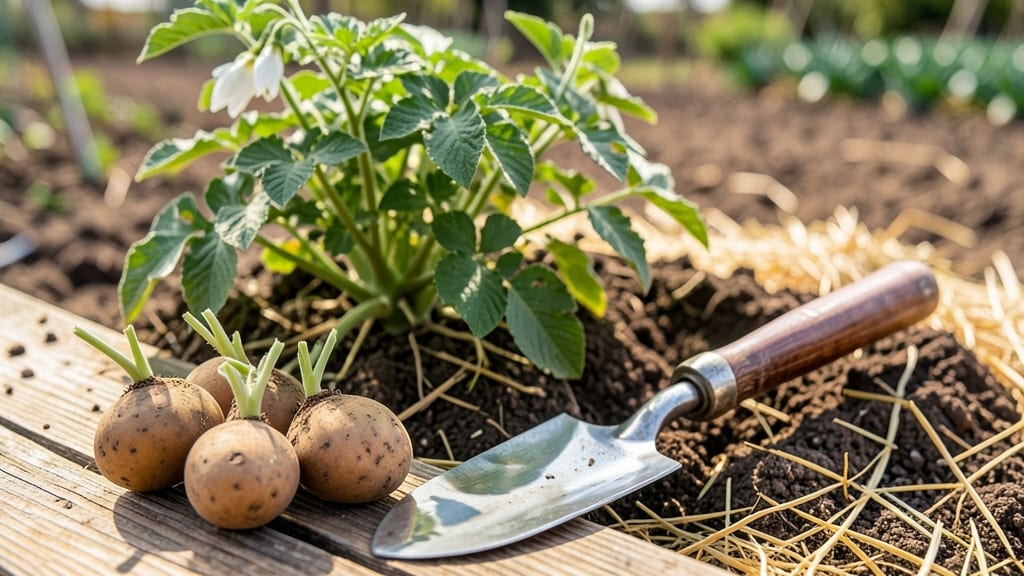
If you’ve ever wondered when do you plant potatoes in Idaho—despite your best efforts—timing might be the missing piece. Planting them too early in Idaho’s cold soils can stunt growth, while waiting too long risks a shorter season. The key is understanding your specific zone and variety needs.
Idaho’s climate ranges from high deserts to mountainous regions, meaning planting windows vary dramatically. Whether you’re in Zone 4’s colder areas or Zone 7’s milder pockets, getting the schedule right is critical for avoiding blight and maximizing yield.
Let’s break down the best times to plant based on your location and the potato types that thrive there.
Most gardeners in Idaho start planting in early spring—typically March to April—but the exact timing depends on soil temperature and frost risks. Some varieties, like Russets, need a longer growing season, while others, like Yukon Golds, adapt better to shorter windows.
I’ll show you how to adjust your planting strategy for Idaho’s unpredictable weather patterns.
Ready to grow potatoes that actually produce? You’ll learn how to prepare your soil, choose the right varieties for your zone, and avoid common mistakes that waste time and effort. Let’s get those spuds in the ground the right way!
Idaho’s frost-free zones and best planting months by variety
Idaho’s USDA frost-free zones 3–7 create a patchwork of planting schedules, where high-desert areas like Twin Falls (Zone 5) can start weeks earlier than mountainous regions near McCall (Zone 4). Understanding your zone ensures you avoid late frosts that stunt growth or early planting in cold soils, which invites rot.
Let’s break down the best months for each variety and zone.
For early-season varieties like Yukon Golds, aim for March–April in Zones 6–7, while Russet Norkotsocks (a late bloomer) thrive when planted in late April–May across all zones. Idaho’s short growing season means timing is everything—plant too late, and you’ll miss the harvest window before first frost in September.
Here’s how to match your potato variety to Idaho’s zones and ideal planting windows:
| USDA Zone | Best Planting Month | Early Varieties (60–75 days) | Mid-Season (75–90 days) | Late Varieties (90+ days) |
|---|---|---|---|---|
| Zone 3 (McCall, Sandpoint) | Late May–Early June | Red LaSoda | Kennebec | Russet Burbank |
| Zone 4 (Coeur d’Alene) | Mid-April–May | Yukon Gold | Adirondack Blue | Fingerling Mix |
| Zone 5 (Boise, Twin Falls) | March–April | New Potatoes (e.g., ‘Rocket’) | Katahdin | Russet Norkotsk |
| Zone 6–7 (Lewiston, Nampa) | February–March (chitted) | Sweet Potato (no, wait—Red Pontiac!) | Goldrush | Russian Banana |
*Chitting (pre-sprouting) seeds gives early starts in Zones 6–7.
In Zone 3–4, where frosts linger, opt for cold-hardy varieties like Red LaSoda or Kennebec, which tolerate cooler soils. For Zones 6–7, you can push the envelope with chitted potatoes (sprouted in egg cartons) as early as February, but wait until soil hits 50°F to plant.
Pro tip: Use a soil thermometer—potatoes won’t sprout in cold, wet soil. Aim for 50–60°F for germination. In high-altitude areas, like Boise’s foothills, delay planting by 2–3 weeks compared to lowland Lewiston to avoid frost.
For fall planting (a gamble in Idaho), only attempt it in Zone 6–7 with early-maturing varieties like Yukon Golds, planting in late July–August for a September–October harvest before hard frosts. This works best in protected microclimates, like south-facing slopes.
Regardless of zone, space rows 3 feet apart and hill soil as plants grow to prevent blight and improve yield. Idaho’s dry summers mean you’ll need consistent watering once tubers form—aim for 1–2 inches per week.
🌱
How to time potato planting for Idaho’s unpredictable weather
Timing your potato planting in Idaho isn’t just about the calendar—it’s about reading the soil temperature and watching for those last frost dates. Cold soils below 50°F can stunt sprouts, while waiting too long risks a shorter harvest.
I’ve learned the hard way that rushing into planting without checking soil warmth leads to poor germination.
For most of Idaho, aim to plant when daytime temperatures consistently stay above 50°F—typically late March to mid-April in Zone 5 and later in colder areas.
Use a soil thermometer to confirm readiness; potatoes need warm soil to thrive. In high-altitude areas like Boise, wait until mid-April to avoid frost damage.
🌱Pro Tip: Chitting your potatoes (pre-sprouting indoors) gives you a 2–3 week head start. Place seed potatoes in a cool, bright spot 4–6 weeks before planting to encourage early growth.
Step-by-Step Guide to Timing Your Idaho Potato Planting
- 📅 Check Frost Dates: Use local almanacs or USDA frost maps to find your last frost date. Plant 2–3 weeks after this date.
- 🌡️ Test Soil Temperature: Wait until soil reaches 50–60°F at 4 inches deep. Cold soil = slow growth.
- 🌱 Pre-Sprout Potatoes: Chit seed potatoes indoors for 4–6 weeks before planting for faster emergence.
- 🌿 Use Row Covers: If early planting is tempting, protect seedlings with frost blankets for extra warmth.
- ⏳ Adjust for Variety: Early varieties (e.g., Red LaSoda) can handle cooler soils; late varieties (e.g., Russets) need warmer conditions.
Idaho’s alkaline soils can also slow potato growth, so amend with compost or aged manure before planting. Aim for a soil pH of 5.0–6.5—too alkaline, and nutrients like phosphorus become locked away. I always mix in a 5-10-10 fertilizer at planting time for a nutrient boost.
If you’re in a Zone 4 area (like northern Idaho), consider using cold frames to extend your season. These simple structures can add 2–4 weeks of growing time by trapping heat. For Zone 7 (southern Idaho), you might even squeeze in a fall planting in August for a late harvest.
💡Remember: Overwatering or planting too deep can cause rot. Keep soil moist but not soggy, and plant seed potatoes 4 inches deep with rows 3 feet apart for proper airflow. Idaho’s dry spells can stress potatoes, so mulch heavily to retain moisture.