
Plants
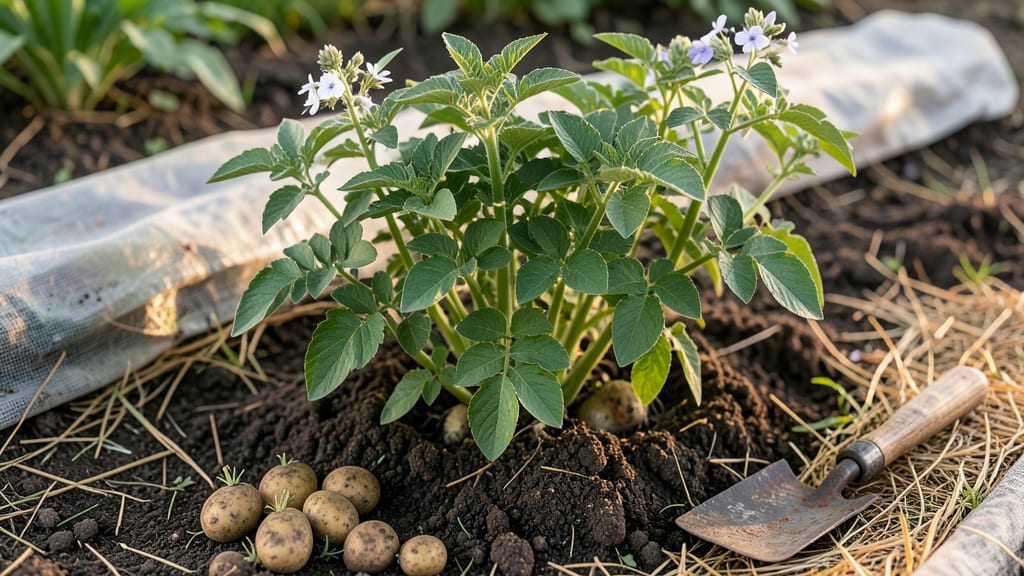
When do you plant potatoes in North Carolina? Getting the timing right is the key to avoiding bolting and maximizing your harvest. The right planting window ensures your 🥔 thrive whether you're in the Piedmont, Coastal Plain, or Mountains.
Planting too early risks premature flowering, while waiting too long can shorten your growing season. I'll show you exactly when to plant for your specific zone, so you can enjoy homegrown potatoes from early spring through summer.
North Carolina's varied climate means planting dates differ by region, with early varieties often going in as soon as the soil warms. Let's break down the perfect timing for your location to ensure healthy, abundant tubers all season.
From understanding frost dates to choosing the right varieties, I'll cover everything you need to know. Discover how to extend your growing season and avoid common mistakes that lead to wasted crops.
North Carolina potato planting zones: exact dates by region to avoid bolting
North Carolina's diverse climate—from the Coastal Plain to the Mountains—means potato planting dates vary dramatically. In Zone 7b (eastern NC), you can start as early as January 15 for cold-hardy varieties, while Zone 8a (western NC) gardeners wait until March 1 to avoid frost damage.
The key is planting 2-4 weeks before your last frost date, but never when soil temps drop below 45°F.
For early varieties like 'Yukon Gold', aim for February-March planting. These fast-maturing potatoes (60-90 days) give you a harvest before summer heat sets in. Main crop varieties like 'Kennebec' need April-May planting to reach full maturity by August.
Timing is critical—plant too late, and you risk tuber formation issues from heat stress.
Here’s how to match your region to the perfect planting window:
| Region | USDA Zone | Last Frost Date | Ideal Planting Window | Soil Temp Threshold |
|---|---|---|---|---|
| Coastal Plain | 7b-8a | March 15 | February 1 - March 15 | 45°F+ |
| Piedmont | 7a-7b | February 28 | January 20 - March 10 | 40°F+ |
| Mountains | 6b-7a | April 15 | March 1 - April 1 | 40°F+ |
Pro tip: Use seed potatoes (not grocery store potatoes) for best results. Cut them into 2-inch chunks with at least 2 eyes each, and let them cure in sunlight for 1 week before planting. This jump-starts growth and reduces bolting risk.
For fall planting, opt for late-maturing varieties like 'Red Pontiac' and plant in July-August. These potatoes need 90-120 days to mature, so they’ll be ready for harvest before the first frost. Just beware of potato scab in sandy soils—keep soil pH below 5.5 to prevent it.
In high-humidity areas (like the Coastal Plain), space rows 36 inches apart for airflow and reduce fungal diseases. In drier Piedmont regions, mulch with straw after sprouting to retain moisture. Both strategies boost yields by 20-30%.
Always monitor soil moisture—potatoes need 1-2 inches of water weekly, but avoid soggy soil. Use a moisture meter to check depth, especially in clay-heavy Mountain soils, where drainage is critical. Overwatering leads to rotten tubers, while underwatering causes small, misshapen potatoes.
For container growing, use 5-gallon buckets and plant 1 seed potato per container. These are ideal for small spaces or urban gardens and let you control soil conditions perfectly. Just ensure containers have drainage holes and use a lightweight potting mix.
Remember: Bolting (premature flowering) is the #1 enemy of NC potato growers. It’s triggered by temperature swings, so choose consistent planting dates and avoid late-winter frosts. If you see flowers, harvest immediately—the tubers will be small but edible.
🌱
North Carolina potato planting zones: exact dates by region to avoid bolting
North Carolina's diverse climate means your potato planting dates depend heavily on your specific region. The state spans USDA zones 6b to 8a, with the Coastal Plain (warmer) and Mountains (cooler) requiring different timing.
I'll break down the ideal windows for each zone to prevent premature bolting while maximizing your harvest.
For Coastal North Carolina (zones 8a-8b), where last frosts typically occur around March 15, you can start planting early varieties as soon as February 1. This gives you a jump on the growing season and allows for multiple harvests.
In contrast, the Piedmont region (zone 7b) usually waits until March 1 to plant, aligning with its later frost dates around February 15.
The Mountains (zone 6b) have the shortest growing season, with last frosts often occurring April 1. Here, I recommend starting with cold-hardy varieties like 'Yukon Gold' as early as February 15, but be prepared to use row covers if late frosts threaten.
Each region's unique climate demands careful planning to avoid wasting your seed potatoes.
🌱 North Carolina Potato Planting Zones Comparison
| Region | USDA Zone | Last Frost Date | Ideal Planting Window | Recommended Varieties |
|---|---|---|---|---|
| Coastal Plain | 8a-8b | March 15 | February 1 - March 15 | 'Red LaSoda', 'Sweetheart' |
| Piedmont | 7b | February 15 | March 1 - April 1 | 'Kennebec', 'Russet' |
| Mountains | 6b | April 1 | February 15 - March 15 | 'Yukon Gold', 'Minnesota Gem' |
Soil temperature is another critical factor. Potatoes thrive when soil reaches 45°F, which typically occurs in late February to early March across most of North Carolina. Use a soil thermometer to confirm readiness—planting too early in cold soil can stunt growth and encourage bolting.
In the Coastal Plain, warmer soils may allow planting as early as January for early varieties under protective covers.
For a second harvest, consider planting late varieties like 'Katahdin' in late April to early May. This works well in all regions and extends your harvest window into late summer.
Just be mindful of North Carolina's humidity levels, which can increase disease risk—choose disease-resistant varieties for late plantings to protect your crop.
Always check your local extension service for micro-climate variations, as urban areas or high elevations may have different frost dates. By aligning your planting with these regional guidelines, you'll avoid the heartbreak of wasted seed potatoes and enjoy a bountiful harvest all season long.