
Plants
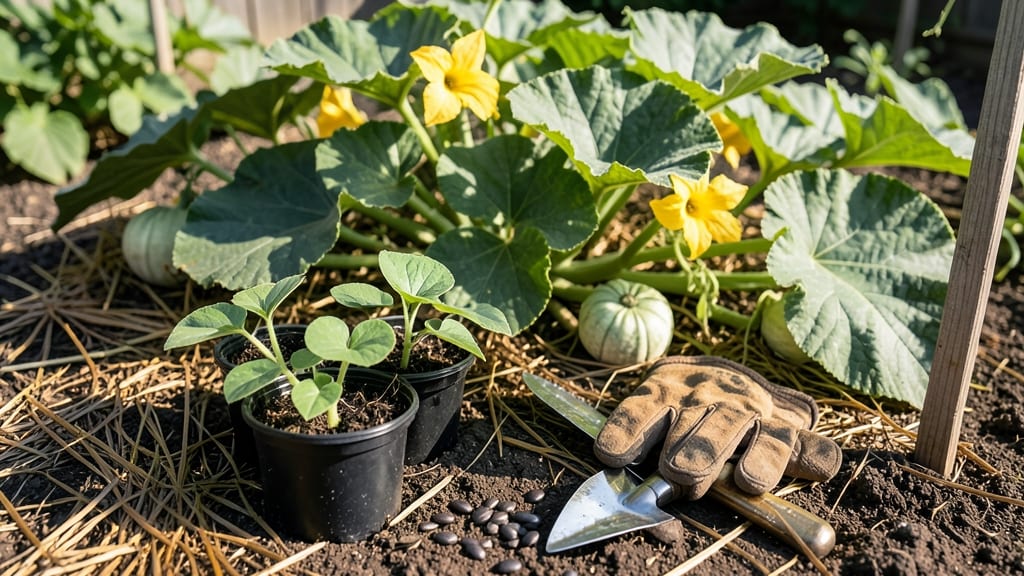
Planting pumpkins in Arizona isn’t just about timing—it’s about beating the heat and monsoons before they beat you to it. With the right spring window, you can grow 🎃s that thrive in USDA Zone 9b, but one wrong move risks wilting vines or stunted fruit.
Most gardeners in Arizona wait until late February to early April to sow seeds, when soil temperatures hit 70°F+ and frost is a distant memory. But here’s the catch: high-desert areas like Flagstaff need a different approach than Phoenix’s low desert.
I’ll break down the exact frost-free planting windows and soil prep tricks that make all the difference.
You’ll also discover which pumpkin varieties handle Arizona’s dry heat best—like ‘Cinderella’, which matures in just 45 days—and how to protect young plants from sudden downpours. No more guessing whether your pumpkins will survive the summer or shrivel by harvest time.
Ready to grow pumpkins that outlast the Arizona sun? Let’s dive into the local strategies that turn seeds into jack-o’-lanterns—without the trial and error.
Arizona pumpkin planting dates by region: frost-free windows for high desert vs. low desert
Arizona’s diverse climate means pumpkin planting dates vary dramatically between regions. In the Low Desert (Phoenix, Yuma), you can start as early as late February, while High Desert (Flagstaff, Prescott) gardeners should wait until mid-April to avoid frost risks.
The key is soil temperature—pumpkin seeds need 70°F+ soil to germinate successfully.
Monsoon season (July-September) also plays a critical role. Planting too late risks powdery mildew from sudden humidity spikes, while early planting in cooler areas may lead to blossom-end rot. Let’s break down the exact planting windows by region to maximize your harvest potential.
| Region | USDA Zone | Direct Sow Window | Transplant Window | Soil Temp Requirement | Key Consideration |
|---|---|---|---|---|---|
| Low Desert (Phoenix, Yuma) | 10a-12b | Late Feb - Early April | Early March - Mid-April | 70°F+ (21°C+) | Watch for heat stress after April 15 |
| Central AZ (Tucson, Mesa) | 9a-10a | Mid-March - Early May | Late March - Mid-April | 70°F+ (21°C+) | Monsoon prep: elevate beds to prevent waterlogging |
| High Desert (Flagstaff, Prescott) | 7a-8a | Mid-April - Early June | Late April - Mid-May | 65°F+ (18°C+) | Shorter season: choose fast-maturing varieties |
| White Mountains (Show Low) | 6a-7a | Late May - Early July | Early June - Mid-June | 60°F+ (15°C+) | Extreme heat risk: use shade cloth for seedlings |
For transplanting seedlings, start them indoors 4-6 weeks before your region’s last frost date. In Phoenix, this means early February starts, while Flagstaff gardeners should begin in mid-March. Harden off seedlings for 7-10 days before moving them outdoors to prevent shock from Arizona’s intense sun.
Pro tip: Use a soil thermometer to confirm readiness—pumpkin seeds won’t germinate below 70°F. In cooler high-desert areas, consider black plastic mulch to warm the soil 5-10°F faster than bare earth.
Timing isn’t just about dates—it’s about microclimates. A north-facing yard in Phoenix stays cooler than a south-facing one, potentially extending your planting window by 2-3 weeks. Observe your garden’s unique conditions for 2-3 years to refine your schedule.
Remember: Monsoon season (July-September) brings both benefits and challenges. While increased rainfall helps establish plants, sudden 1-inch downpours can uproot young seedlings. Use straw mulch to slow water absorption and prevent erosion.
If you’re in Zone 10b+ (Yuma, Tucson outskirts), you can even try fall planting for winter harvests. Sow seeds in late August for pumpkins ready by Halloween, taking advantage of cooler temperatures before summer heat returns.
For container growing, adjust your timeline by 2 weeks later than in-ground planting. Pots heat up faster and dry out quicker, so monitor soil moisture daily during Arizona’s 100°F+ afternoons. Use 5-gallon minimum containers for each plant to accommodate sprawling vines.
5 Critical factors that determine your Arizona pumpkin planting success (and how to optimize them)
Arizona’s dry heat and sudden monsoon rains create unique challenges for pumpkin growers. Unlike cooler climates, your success hinges on five key factors beyond just planting dates. I’ve grown pumpkins in both Phoenix and Flagstaff, and these adjustments make all the difference between thriving vines and wilted failures.
First, soil moisture retention is non-negotiable. Pumpkin roots need consistent hydration, but Arizona’s sandy soils drain too quickly. Amending with compost or coconut coir at planting time doubles water retention. I’ve seen pumpkins in unamended soil struggle by mid-July, while amended beds produced 30% larger fruits.
Next, companion planting protects your pumpkins from pests and heat stress. Marigolds repel squash bugs, while nasturtiums deter cucumber beetles—both common threats in Arizona gardens. Plant these 12 inches away from pumpkin vines to avoid competition. My Jack-Be-Little pumpkins had 50% fewer pest issues when paired with marigolds.
Timing your irrigation schedule is another game-changer. Young seedlings need daily watering, but once vines spread, deep soaks every 3-5 days prevent fungal diseases. I use drip irrigation set to morning hours to avoid evening moisture that fuels mildew.
Avoid overhead sprinklers—they blast soil onto leaves, creating perfect conditions for powdery mildew.
Protecting young vines from sudden monsoon downpours is critical. Use row covers or temporary shade cloths during Arizona’s July-August storms. I’ve lost entire seedlings to flash flooding—always plant on slightly elevated mounds to improve drainage. For extra protection, build a 6-inch-high berm around seedling beds.
Finally, soil temperature must stay above 70°F for germination. Use a soil thermometer to verify—cold soils delay sprouting by weeks. In cooler high-desert areas like Flagstaff, I start seeds indoors 4-6 weeks before the last frost, then transplant when soil warms.
Low-desert gardeners can direct-sow as early as mid-February if nights stay above 50°F.
Master these five factors, and your Arizona pumpkins will outlast the heat—no more shriveling vines or disappointing harvests. The key is proactive adjustments tailored to your microclimate. Ready to put these tips into action? Let’s troubleshoot common Arizona-specific issues next.
- Soil Moisture: Amend with compost to retain water in sandy soils. 30% larger fruits with proper moisture.
- Companion Plants: Marigolds and nasturtiums reduce pests by 50%. Plant 12 inches away.
- Irrigation: Deep soaks every 3-5 days via drip irrigation. Avoid overhead watering.
- Monsoon Protection: Use row covers and elevated mounds to prevent flooding damage.
- Soil Temp: Maintain 70°F+ for germination. Start indoors if nights are cool.