
Plants
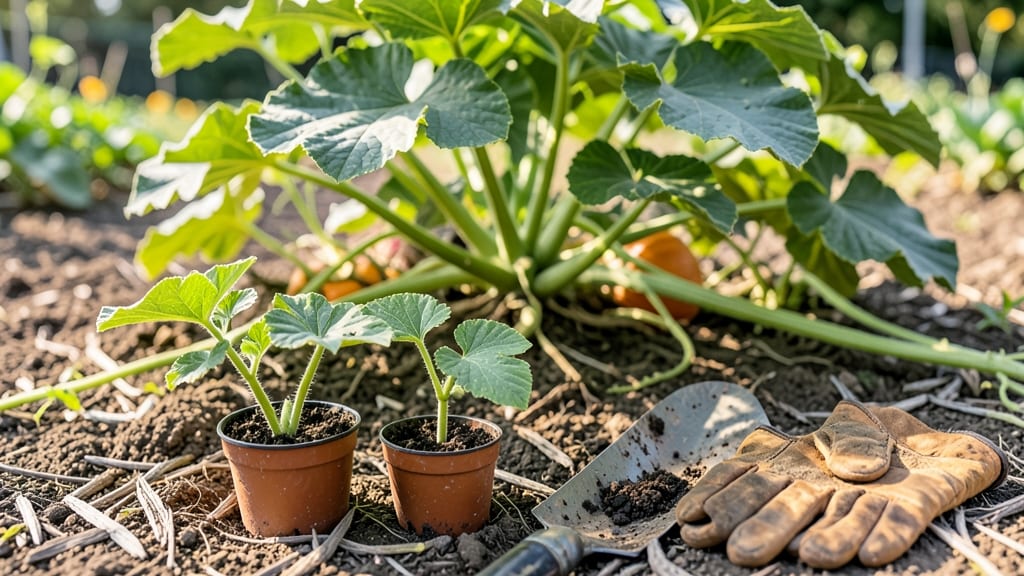
Timing your pumpkin 🎃 planting in Utah could mean the difference between a jack-o'-lantern-worthy harvest and a sad, frost-bitten vine. With Utah's dramatic shifts from frigid mountain valleys to scorching desert lowlands, knowing exactly when to plant is non-negotiable for success.
The 5a-7b growing zones across the state create a patchwork of planting windows—what works in Salt Lake City's 6b zone might fail in St. George's 8a heat if you're off by just a few weeks.
Let me break down the precise frost-free timelines and microclimate secrets that will have your pumpkins thriving from late spring through fall.
You'll discover how to time your seeds perfectly whether you're starting indoors or direct-sowing, plus Utah-specific tricks to beat the 120-180 frost-free days challenge. We'll cover everything from soil temperature checks to variety selection that matches your exact elevation.
Ready to grow pumpkins that outshine your neighbors'? I'll walk you through the complete planting calendar, from the first warm soils of May to the golden harvests of September-October, so you can enjoy Utah's best pumpkin patch—right in your own backyard.
Utah’s pumpkin planting timeline by USDA hardiness zones (5-9)
Utah’s USDA hardiness zones 5-9 create a patchwork of planting opportunities, where St. George’s Zone 8a enjoys a 60-day longer growing season than Cache Valley’s Zone 5a.
Understanding these zones helps you align your pumpkin planting with your local frost dates—because planting too early means frost damage, while waiting too long cuts harvest time short.
Most Utah gardeners aim to plant pumpkins after the last frost date, but soil temperature matters more than air temperature. Pumpkin seeds need soil temps of 70°F (21°C) or warmer to germinate reliably.
In northern Utah (Zones 5-6), this typically means waiting until mid-to-late May, while southern Utah (Zones 7-9) can start as early as late April.
Here’s how to match your planting window to Utah’s zones, including elevation adjustments that can shift planting dates by 2-4 weeks even within the same zone.
| USDA Zone | Last Frost Date | Ideal Planting Window | Soil Temp Threshold | Harvest Window |
|---|---|---|---|---|
| 5a (e.g., Logan, Cache Valley) | Mid-May | Late May to early June | 70°F+ (21°C) | Late September to October |
| 6a (e.g., Salt Lake City) | Early May | Mid-May to early June | 70°F+ (21°C) | Mid-September to October |
| 6b (e.g., Provo, Park City) | Late April | Early May to mid-June | 70°F+ (21°C) | Late August to October |
| 7a (e.g., Cedar City) | Mid-April | Late April to early June | 65°F+ (18°C) | July to October |
| 8a (e.g., St. George, Moab) | Late March | April to May | 60°F+ (15°C) | June to November |
For mountain gardens (Zones 5-6), like those in Park City or Heber Valley, plant on south-facing slopes first—they warm up faster. In desert regions (Zones 7-9), like St. George or Hurricane, you can even start seeds in March under row covers to jumpstart growth.
Pro tip: Use a soil thermometer to confirm temps before planting. If your soil hasn’t hit 70°F (21°C), wait—cold soil delays germination by weeks and invites rot.
Utah’s elevation swings can create confusion. For example, Salt Lake City (Zone 6b) might see frost in early May, but a garden 1,000 feet higher could face frost 2 weeks later. Always check local frost records (like those from your USU Extension office) for precise timing.
If you’re in Zone 5a or 6a, consider starting seeds indoors 3-4 weeks before your target planting date. Pumpkins grow quickly—90-120 days to harvest—so every day counts in shorter seasons. Use biodegradable pots to avoid transplant shock when moving seedlings outdoors.
For Zone 7-9 gardeners, the real challenge is heat tolerance. Varieties like ‘Cinderella’ thrive in 100°F+ temps, while ‘Jack Be Little’ may struggle. Match your pumpkin variety to your microclimate to avoid wilting vines or bitter fruit.
Remember: Pumpkins need space. Even dwarf varieties spread 3-5 feet, while standard types can sprawl 10-20 feet. Plan your garden layout now to avoid crowded vines competing
Microclimate-specific pumpkin varieties for Utah gardens
Utah’s extreme climate variations—from freezing mountain valleys to scorching desert lowlands—demand smart pumpkin variety choices. The wrong type can mean wilting vines in heat or frost damage in early fall. Let’s match your microclimate to the perfect pumpkin for reliable harvests.
In northern Utah (Zones 5-6), where nights dip below 40°F (4°C), cold-hardy varieties like ‘Gladiator’ or ‘Howden’ thrive. Their thick rinds protect against early autumn chills, while their 75-85 day maturity ensures harvests before frost.
For southern Utah (Zones 7-9), opt for heat-tolerant types like ‘Cinderella’ or ‘Jack Be Little’, which handle 100°F+ (38°C+) temps and low humidity.
🎃 Utah’s Best Pumpkin Varieties by Microclimate
Northern Utah (Zones 5-6)
Pros: Cold-hardy, 85 days, great for pies
Cons: Large vines need space
Pros: Disease-resistant, 80 days
Cons: Needs full sun
Southern Utah (Zones 7-9)
Pros: Heat-tolerant, 90 days
Cons: Needs consistent water
Pros: Compact, 75 days
Cons: Smaller yields
High-Elevation (Zones 4-5)
Pros: Early maturing, 80 days
Cons: Needs warm soil
Planting depth and spacing matter just as much as variety choice. Sow seeds 1 inch deep in hills spaced 4-6 feet apart, giving vines room to sprawl. In containers or small spaces, choose bush varieties like ‘Sugar Pie’, which stay under 3 feet wide.
For Utah’s desert regions, prioritize drought-tolerant types like ‘Autumn Gold’ and mulch heavily to retain moisture. In mountain gardens, extend the season with row covers or plant near south-facing walls to capture heat.
Pro tip: Test your soil’s pH (6.0-6.8) and amend with compost before planting—Utah’s alkaline soils often need organic matter for optimal nutrient uptake. A simple soil test kit ($15 at garden centers) saves guesswork.
🌱 Whether you’re in Park City’s chill or St. George’s heat, the right pumpkin variety turns Utah’s unpredictable climate into a harvest goldmine.