
Plants
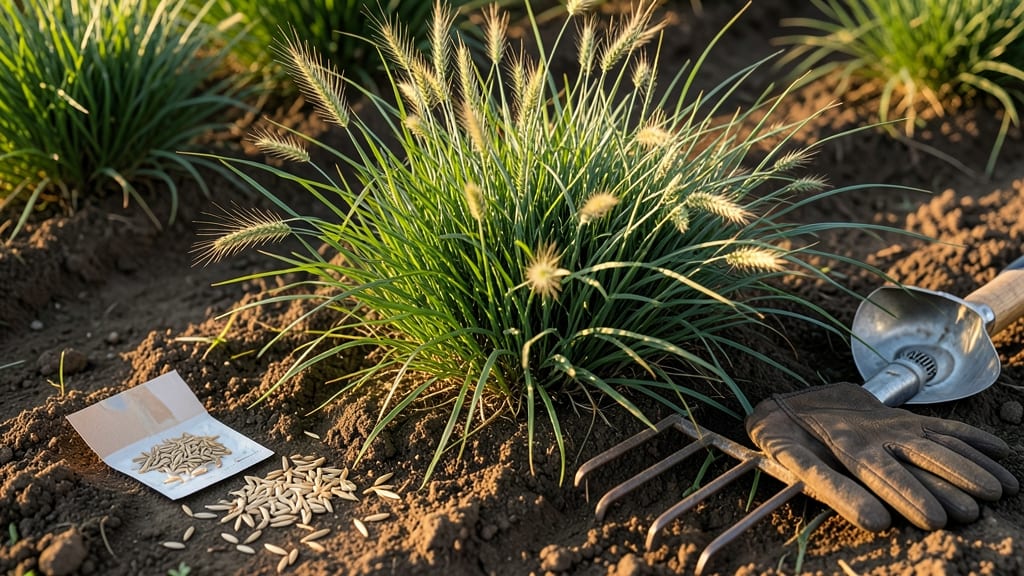
If you're asking "when do you plant rye grass in Texas", timing is the secret weapon for a lush, drought-resistant lawn that outlasts the scorching summer.
Texas gardeners know that planting 🌱 ryegrass too early means battling heat stress, while waiting too long risks weak establishment before winter sets in.
The best window for planting in Texas' 8a-10b zones is late summer to early fall—typically between August and October. This gives seeds time to germinate before cooler temperatures slow growth, ensuring your grass has a fighting chance against Texas' unpredictable weather patterns.
Why does this matter? Because fast germination and strong root development mean your ryegrass will handle drought better and stay green longer. I'll show you exactly how to prepare your soil, choose the right varieties, and avoid common mistakes that turn good intentions into wasted seed.
Whether you're seeding a new lawn or overseeding an existing one, these Texas-specific tips will help you get the best results with minimal effort. Let's get your grass growing the right way—starting with the perfect planting window.
Best months to plant rye grass in Texas for optimal germination
Timing is critical when planting rye grass in Texas, where soil temperatures and summer heat can make or break your lawn. The ideal window spans from late August through October, aligning with USDA Zones 8a-10b.
This period ensures cool soil (below 85°F) and moderate rainfall, both essential for fast germination and root establishment.
North Texas gardeners (Zones 8a-8b) should aim for mid-September planting, while South Texas (Zones 9a-10b) can extend into early October. Planting too early risks heat stress and dormancy, while waiting too long may leave your lawn vulnerable to winter weeds or poor coverage before cold snaps arrive.
Here’s why these months work best: September-October offers consistent moisture without the intense Texas sun of summer. Rye grass seeds need 50-60°F soil temperatures to germinate efficiently—something summer’s heat disrupts. Additionally, cooler air temperatures reduce evaporation rates, keeping seeds hydrated longer.
For fastest results, plant 4-6 weeks before the first frost. In North Texas, this typically means mid-October, while South Texas can push to early November. This timing ensures your rye grass has time to establish roots before winter dormancy sets in.
🌱 Texas Rye Grass Planting Timeline
| Stage | Action | North Texas (Zones 8a-8b) | South Texas (Zones 9a-10b) |
|---|---|---|---|
| Soil Prep | Test pH (6.0-7.0), loosen soil | August 15-Sept 1 | August 1-Sept 15 |
| Ideal Planting | Broadcast seed, cover lightly | Sept 15-Oct 15 | Sept 1-Oct 30 |
| Germination | Keep soil moist, 7-14 days | Sept 22-Oct 22 | Sept 8-Oct 25 |
| First Frost | Establish roots before dormancy | Dec 15 | Jan 15 |
Avoid planting in June or July—Texas’s peak heat and drought conditions create poor germination rates. Seeds may dry out before sprouting, or young seedlings can suffer from heat stress. Similarly, planting in November or December risks frost damage before roots establish, leaving gaps in your lawn’s winter coverage.
For best results, monitor local weather forecasts and aim to plant when soil temperatures drop below 80°F. Use a soil thermometer to confirm—ideal temps for germination are between 50-65°F.
In North Texas, this often aligns with late September, while South Texas may wait until early October.
Pro tip: If you’re overseeding an existing lawn, late September is perfect for North Texas. For bare soil areas, extend to mid-October to ensure full coverage before winter.
Always water lightly but frequently (2-3 times daily) for the first 2 weeks to encourage seed-to-soil contact and root growth.
Remember, rye grass is a cool-season grass, meaning it thrives in mild temperatures and goes dormant in heat. By planting in fall, you’re giving it the best chance to establish before Texas summers return. This strategy also helps outcompete weeds and reduce erosion during winter rains.
For extra drought resistance, consider mulching lightly with straw after planting. This retains moisture and regulates soil temperature, which is especially helpful in South Texas’s hotter microclimates. Just avoid heavy mulch—it can smother young seedlings.
Best months to plant rye grass in Texas for optimal germination
In Texas, rye grass thrives when planted during cool fall temperatures, typically between late August and October. This window ensures fast germination and strong root development before winter sets in. The key is avoiding summer heat stress (above 85°F) and winter dormancy issues that can stunt growth.
For North Texas (USDA Zones 7a-8a), aim for September planting—just before the first frost (usually mid-December). In South Texas (Zones 8b-10b), extend planting to early November since winters are milder. Soil temperatures should be between 60°F and 75°F for ideal seed activation.
Why timing matters: Planting too early (June-July) risks dormancy from heat, while planting too late (November-December) may leave seeds vulnerable to freezing temperatures. Texas' variable frost dates (North: Dec 15, South: Jan 15) demand precise scheduling.
Texas Rye Grass Planting Timeline
| Region | Ideal Planting Window | Soil Temp (°F) | Key Consideration |
|---|---|---|---|
| North Texas (Zones 7a-8a) | Late August - September | 60-75°F | Avoid summer heat; first frost Dec 15 |
| Central Texas (Zones 8a-8b) | September - Early October | 65-72°F | Balanced heat/winter prep |
| South Texas (Zones 9a-10b) | October - Early November | 68-75°F | Milder winters; extend window |
⏰ Pro Tip: Use a soil thermometer to verify temperatures before planting.
For fastest germination, plant 4-6 weeks before the first frost date in your area. This gives seeds time to establish roots before cold snaps. In East Texas, where humidity is higher, you might see 7-10 days faster germination than in West Texas due to drier conditions.
If you miss the fall window, spring planting (March) is possible but riskier—rye grass struggles with Texas summer heat and may go dormant. For overseeding existing lawns, late September is ideal to maximize winter coverage and drought resistance.
Remember: Rye grass is a cool-season grass, so it relies on consistent moisture during establishment. Plan to water deeply 2-3 times weekly until roots are 3-4 inches deep—typically 4-6 weeks after planting. 🌱