
Plants
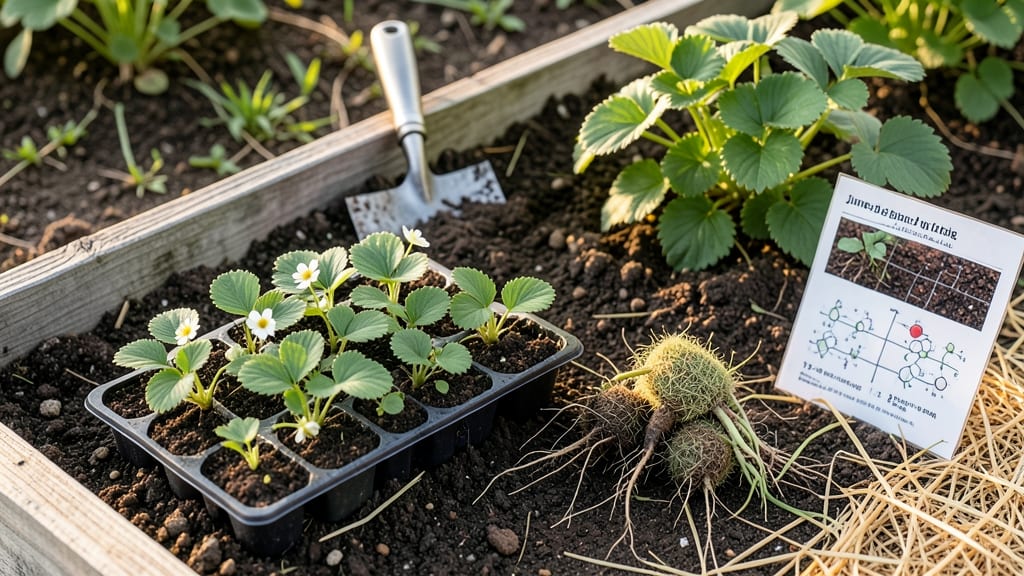
Planting strawberries in Virginia at the wrong time can mean the difference between a bountiful harvest and wasted effort—especially when chill-hour needs and frost dates come into play.
Whether you're growing June-bearing or everbearing varieties, understanding when to plant strawberries in Virginia is the key to strong root growth and sweet fruit.
In Virginia’s 6a-8a zones, your best windows are early spring (March-April) for bare-root plants or late summer (August-September) for crowns. Each timing aligns with soil temperatures and chill hours needed for optimal development, but getting it wrong can leave your plants struggling.
Let’s break down the exact timing for your region, including soil prep tips and how to choose between spring and fall planting. You’ll discover how to avoid common mistakes that ruin harvests—and why some varieties thrive better in Virginia’s climate.
Ready to grow strawberries that produce like crazy? The secret starts with planting at the right moment, and we’ve got the Virginia-specific schedule you need to succeed.
Virginia planting zones and chill-hour requirements for strawberries
Virginia’s diverse climate—spanning USDA zones 5a to 8a—means strawberries need careful timing to thrive. The chill-hour requirements (300-1000+ hours below 45°F) dictate whether you can grow June-bearing, everbearing, or day-neutral varieties.
In cooler zones (5a-6b), June-bearing types excel, while warmer areas (7a-8a) often succeed with everbearing or day-neutral varieties that tolerate heat better.
For example, Albemarle County (zone 6b) needs 600-800 chill hours for June-bearing strawberries, while Norfolk (zone 8a) can grow everbearing varieties with just 300-500 chill hours. Misjudging chill hours can lead to poor flowering or no fruit at all—so check your local zone first!
Here’s how Virginia’s zones break down for strawberry success:
🌱 Virginia Strawberry Planting Zones & Chill-Hour Guide
| USDA Zone | Chill Hours Needed | Best Varieties | Planting Window |
|---|---|---|---|
| 5a-6a | 800-1000+ | June-bearing (e.g., 'Chandler', 'Jewel') | Early March–April |
| 6b-7a | 600-800 | June-bearing or everbearing (e.g., 'Seascape', 'Fort Laramie') | Late March–April or August–September |
| 7b-8a | 300-500 | Everbearing or day-neutral (e.g., 'Albion', 'Tristar') | August–September (fall) or February–March (spring) |
💡 Pro Tip: Use a chill-hour calculator (like the one from Virginia Cooperative Extension) to confirm your local requirements before buying plants.
June-bearing strawberries, like 'Allstar', need cool spring temperatures to set fruit, while everbearing types (e.g., 'Seascape') produce multiple harvests if planted in late summer. In zone 8a, where winters are milder, everbearing varieties often outperform June-bearing ones because they don’t require as many chill hours.
Another critical factor is soil temperature. Strawberries won’t thrive if planted in cold, soggy soil—wait until the ground reaches 40-50°F (about 4-6 weeks before your last frost date).
In Northern Virginia (zone 6b-7a), this usually means mid-March to early April, while Southern Virginia (zone 7b-8a) can plant as early as February.
For fall planting, aim for 6-8 weeks before first frost (typically August–September in Virginia). Fall-planted strawberries establish roots over winter and fruit earlier the next spring. However, avoid planting too late—young plants need time to root before winter sets in.
Microclimates matter too! If you’re in a valley or low-lying area, frost risks are higher, so plant 2-3 weeks later than coastal or hilltop regions. For example, Roanoke (zone 7a) might plant in late March, while Richmond (zone 7b) can start in early March.
Finally, bare-root plants (sold without soil) need to be planted immediately after purchase to prevent root drying. If you’re buying potted strawberries, they’re more flexible but still benefit from spring or fall planting.
🌱 Key Takeaway: Match your USDA zone, chill hours, and soil temperature to your strawberry variety for the best harvest in Virginia.
Step-by-step planting schedule for Virginia’s spring and fall seasons
Virginia gardeners have two prime windows to plant strawberries: early spring (March-April) and late summer (August-September). Each timing requires different prep work to ensure strong root establishment before winter or summer heat arrives.
Let’s break down the exact steps for each season, including soil temperature thresholds and microclimate adjustments for Virginia’s varied regions.
For spring planting, aim to get strawberries in the ground 4-6 weeks before your last expected frost date (typically by mid-March to early April). This gives roots time to establish before active growth begins.
In northern Virginia (zones 6a-7a), where frosts linger longer, plant bare-root crowns in early March. In southern Virginia (zones 7b-8a), where winters are milder, you can wait until late March or early April for slightly warmer soil.
Soil temperature is critical—strawberries won’t thrive if planted in cold, wet soil below 40°F. Use a soil thermometer to confirm temperatures are consistently above 45°F before planting. In central Virginia, where soil warms faster, you might push planting to mid-April without risk.
Always check your local Virginia Cooperative Extension frost maps for precise timing tailored to your county.
📋 Step-by-Step Spring Planting Guide for Virginia
- Step 1: Test soil pH (aim for 5.5-6.5). Amend with lime if below 5.5.
- Step 2: Till soil to 8-10 inches deep and mix in 2-3 inches of compost.
- Step 3: Plant bare-root crowns so the top sits just above soil level.
- Step 4: Space plants 12-18 inches apart in rows 2 feet apart.
- Step 5: Water deeply (1-2 cups per plant) and mulch with straw.
- Step 6: Protect from late frosts with frost cloth if needed.
Fall planting (August-September) is ideal for everbearing and day-neutral varieties, which need time to establish roots before winter. Plant 6-8 weeks before your first frost (typically by mid-September in northern VA or early October in southern VA).
This timing ensures roots harden off before cold sets in. For June-bearing varieties, fall planting is riskier—they may not fruit well the following year, but it’s worth trying in warmer microclimates like the Shenandoah Valley.
When planting in fall, focus on soil prep first. Strawberries hate soggy soil, so improve drainage by amending with sand or perlite if your garden holds water. After planting, apply a thin layer of mulch (like shredded leaves) to insulate roots during winter.
In northern Virginia, consider using black plastic mulch in late fall to capture heat and extend the growing season slightly.
Remember: Day-neutral varieties (like Seascape or Tristar) are the most forgiving for fall planting—they’ll fruit lightly even if roots aren’t fully established. For June-bearing varieties (like Chandler or Jewel), spring planting is still the gold standard. Always label your plants to track varieties and adjust care accordingly!