
Flowers
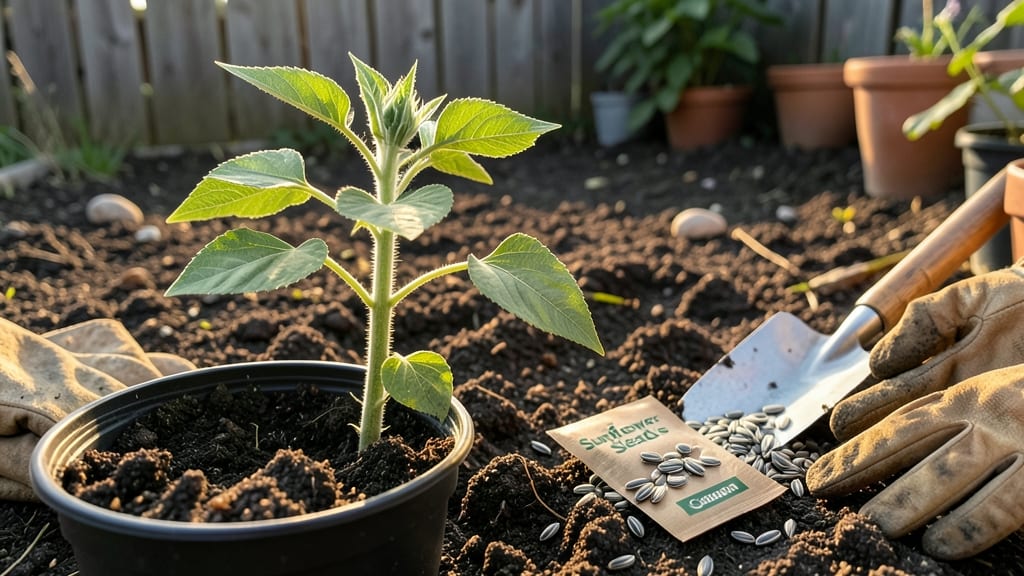
Planting sunflowers in Louisiana might seem simple, but timing is everything—get it wrong, and you could end up with weak stems or missed blooms. With USDA zones 8a-9b and a long growing season, you’ve got two prime windows to plant: early spring and late summer.
The key to success is waiting until after the last frost date (typically mid-March) when soil temperatures hit at least 50°F. Whether you’re growing towering 14-foot giants or cheerful dwarf varieties, these conditions ensure strong roots and vibrant flowers.
But here’s the catch: Louisiana’s humidity and heat can throw off even the best-laid plans. Coastal areas like New Orleans may need adjustments compared to drier regions near Shreveport. Let’s break down the exact weeks to plant for maximum growth and avoid common pitfalls.
Ready to grow sunflowers that reach their full potential? I’ll walk you through the best planting schedule, soil prep tips, and even how to handle late-season surprises like unexpected frosts. Let’s get those 🌻 blooming!
Louisiana sunflower planting calendar by week: frost-free deadlines and soil temperature rules
Sunflowers thrive in Louisiana’s warm climate, but precise timing is key to avoid floppy stems or missed blooms. The state’s USDA Zones 7b-9a mean frost-free dates vary, but most areas see their last frost around mid-March.
Plant too early, and seedlings risk damage; too late, and you’ll miss the summer bloom window.
For best results, aim to plant sunflowers when soil temperatures reach 55°F (13°C)—a critical threshold for germination. In Louisiana, this typically aligns with late February to early April for spring plantings and late July to early August for fall varieties.
Dwarf varieties can handle slightly cooler soils, while giant sunflowers need warmer conditions.
Here’s your week-by-week guide to planting sunflowers in Louisiana, tailored to soil temps, frost risks, and variety types:
In coastal Louisiana (e.g., New Orleans, Baton Rouge), where humidity is higher, you can start planting as early as late February for dwarf varieties, thanks to the microclimate warmth.
However, avoid planting before March 1 in northern regions like Shreveport or Monroe, where frost lingers longer. Use a soil thermometer to confirm readiness—this small tool prevents costly mistakes.
For giant sunflowers (like ‘Mammoth’ or ‘Russian Giant’), wait until soil temps hit 65°F (18°C)—typically mid-April in most of Louisiana.
These varieties need longer growing seasons (90-120 days) to reach their full height, so don’t rush them. Semi-dwarf varieties (e.g., ‘Teddy Bear’) are more forgiving and can handle cooler soils around 55°F (13°C).
Pro tip: If you’re growing sunflowers for seed production, plant a second crop in late July. This gives seeds time to mature before the first frost, which typically arrives in mid-November in northern Louisiana and late November in coastal areas.
Use black plastic mulch to warm soil faster in early spring plantings.
Remember, sunflowers are fast growers—some varieties reach 5 feet in just 60 days. Planting too late in the season can result in tall, leggy stems that flop over before blooming.
Aim for a 60-90 day harvest window from planting to bloom, depending on the variety. For example, ‘Autumn Beauty’ typically blooms in 50-55 days, while ‘Russian Giant’ takes 100-120 days.
If you’re unsure about your local frost dates, check the Louisiana Climate Center or use a frost calendar for your specific parish. For instance, Natchitoches has a later last frost (March 20) compared to Lake Charles (February 28). Adjust your planting timeline accordingly
How to adjust sunflower planting for Louisiana’s microclimates (coastal vs. north Louisiana)
Louisiana’s diverse climate means your sunflower planting timing should vary depending on whether you’re in humid coastal areas (like New Orleans) or drier northern regions (like Shreveport). These microclimates affect soil warmth, humidity levels, and even pest pressure—all critical factors for sunflower success.
In coastal Louisiana, warmer soil warms up faster, but higher humidity can slow germination. Meanwhile, northern Louisiana often experiences cooler nights and drier conditions, which can delay growth if planted too early. Let’s break down the key differences so you can adjust your planting schedule accordingly.
| Factor | Coastal Louisiana (e.g., New Orleans) | North Louisiana (e.g., Shreveport) |
|---|---|---|
| Soil Warms Up | Early March (soil reaches 55°F by late Feb) | Late March (soil reaches 55°F by early April) |
| Last Frost Date | Mid-February to early March | Mid-March to early April |
| Best Planting Window | Late February–April (spring) or August (fall) | March–May (spring) or late August–September (fall) |
| Humidity Impact | Higher risk of fungal diseases; space plants 18+ inches apart | Lower humidity; less disease risk but watch for drought |
| Late-Summer Planting | August–early September (harvest before first frost) | Late August–September (earlier planting for fall blooms) |
For coastal gardeners, I recommend starting seeds indoors by late February if you want early blooms. The extra warmth speeds up germination, but be prepared to thin seedlings aggressively to avoid overcrowding in humid conditions.
Use well-draining soil mixes to prevent root rot, and consider raised beds if your yard floods easily.
In northern Louisiana, wait until mid-April to plant outdoors, as cooler nights can stunt young sunflowers. If you’re growing giant varieties (like ‘Mammoth’), give them extra time by planting in early March and using row covers for protection.
These areas also benefit from drought-resistant varieties like ‘Teddy Bear’ to handle occasional dry spells.
One trick I’ve used in both regions is to plant a second crop in late summer. In coastal areas, aim for August; in the north, go for late August. This extends your blooming season and gives you sunflowers when humidity is lower, reducing disease risks.
Just be sure to choose fast-maturing varieties (like ‘Autumn Beauty’) to finish before the first frost.
Regardless of where you garden in Louisiana, always monitor your local soil temperature with a soil thermometer. Sunflowers need soil at 55°F or warmer to germinate properly. If your soil is cooler, wait a few more weeks—rushing the process often leads to weak, leggy plants that struggle in Louisiana’s heat.