
Flowers
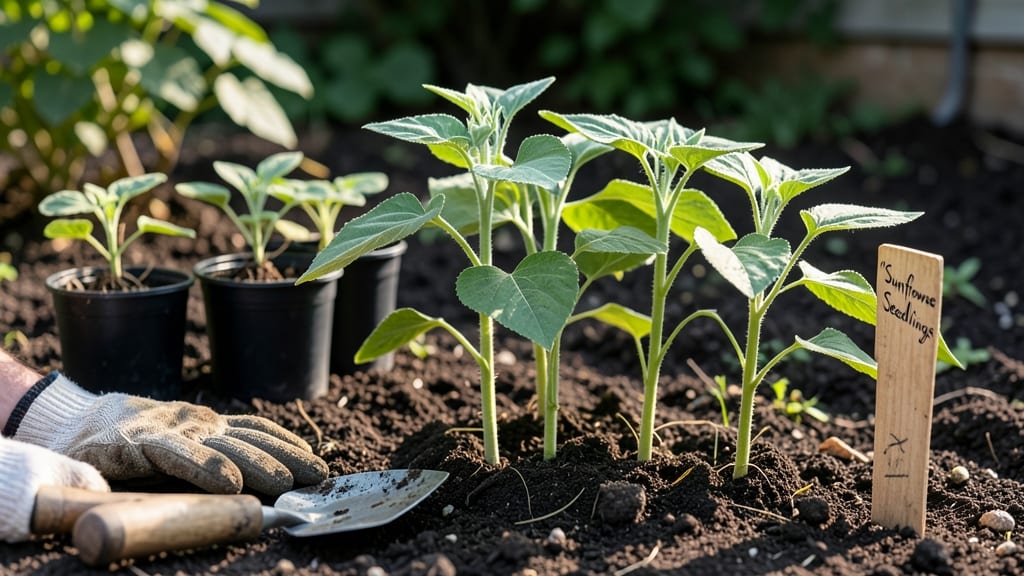
If you've ever dreamed of watching 🌻 sunflowers tower over your Florida garden with vibrant blooms, when do you plant sunflowers in Florida is the question that separates thriving golden fields from wilted disappointment. Timing is everything—and getting it wrong could mean wilted dreams before they even sprout.
The key to fast, bold growth lies in planting at the right moment, when Florida's warm soil and long days create the perfect storm for success.
Most gardeners in the Sunshine State know sunflowers thrive here, but the best months depend on where you live. Whether you're in North Florida's cooler 9a zones or South Florida's tropical 11, planting too early risks frost damage while waiting too long means summer heat can stress young plants.
Let me show you the exact windows—February-April and August-September—that guarantee those iconic golden faces will reach for the sky.
What makes Florida sunflowers different? Unlike northern climates, our frost-free growing season stretches nearly year-round, giving you two prime chances to plant. But there's more to it than just months—soil prep, spacing, and even hurricane season timing play crucial roles.
I'll walk you through each step to ensure your sunflowers grow faster and stronger than ever, with minimal effort and maximum impact.
Ready to turn your garden into a sunflower paradise? Let's dive into the Florida-specific secrets that'll have your plants shooting up in 60 days or less, no matter which part of the state you call home. Your future blooms are waiting!
Optimal sunflower planting months in Florida: climate zones explained
Florida’s climate varies dramatically from north to south, making timing critical for sunflower success. Unlike cooler states, Florida’s frost-free growing season spans nearly year-round in the south, but northern regions still face occasional chilly snaps. The key is planting when soil temperatures hit 60°F+—ideal for sunflower germination.
For most of Florida, spring (February–April) is the gold standard for sunflower planting. This window ensures seeds germinate quickly before summer’s intense heat arrives. However, South Florida gardeners can extend their season with fall plantings (August–September) for late-year blooms.
Here’s how Florida’s three climate zones break down for sunflower planting:
| Zone | Last Frost Date | Best Planting Window | Soil Temp for Germination | Heat Tolerance Tip |
|---|---|---|---|---|
| North Florida (Zones 8a-9a) | Mid-January | February–March | 60°F+ | Choose dwarf varieties for shorter summers |
| Central Florida (Zones 9a-9b) | Late December | February–April | 65°F+ | Plant tall varieties early to beat summer storms |
| South Florida (Zones 10a-11) | None (year-round risk) | February–April + August–September | 70°F+ | Use shade cloth in peak summer |
In North Florida, where frost lingers until mid-January, wait until after February 15 to plant. The soil must warm to at least 60°F—use a soil thermometer to check.
For Central Florida, aim for late February to early April to avoid summer’s brutal heat, which can stress young plants.
South Florida gardeners have the luxury of two planting windows: spring and fall. Plant in February–April for summer blooms or August–September for fall color. Just be mindful of hurricane season—tall varieties may need staking if storms hit before harvest.
Pro tip: If you’re in Zone 9b or warmer, you can even try year-round plantings with shade protection. Just monitor soil moisture closely—Florida’s heat dries soil faster than you’d expect.
For all regions, avoid planting in May. By then, summer’s oppressive heat and humidity can stunt growth, leading to smaller blooms or even bolting (premature flowering). Instead, focus on those early spring months when days are warm but nights stay cool enough for steady growth.
One final note: Sunflowers are drought-tolerant once established, but they need consistent moisture during germination. In Florida’s dry spells, mulch around seedlings to retain soil moisture and outcompete weeds.
Ready to plant? Grab your seeds and a soil thermometer—your sunflowers will thank you for timing it just right! 🌻
Optimal sunflower planting months in Florida: climate zones explained
Florida’s climate varies dramatically from north to south, making timing your sunflower planting a game-changer. In North Florida (Zones 8a-9a), like Jacksonville or Tallahassee, frost can linger until mid-February, while South Florida (Zones 10b-11), such as Miami or Key West, enjoys frost-free growing year-round.
Even Central Florida (Zones 9a-9b) has subtle differences—Orlando’s last frost averages January 15, but Tampa’s is often December 1.
For spring plantings, aim for February to April—this gives sunflowers 3-4 months of warm weather to mature before summer’s intense heat.
In South Florida, you can even plant as early as January, but avoid sowing too late (after May) or your blooms may struggle with humidity and pests. Fall plantings in August-September are ideal for a second harvest before winter.
Sunflower seeds need soil temperatures above 60°F to germinate. In Florida, this typically aligns with late March in the north and February in the south. Use a soil thermometer to confirm—if it’s cooler, wait or use black plastic mulch to warm the soil faster.
Pro tip: In North Florida, cover seeds with row covers if nighttime temps dip below 50°F.
🌱 Florida Sunflower Planting Guide by Zone
| Zone | Best Planting Months | Last Frost Date | Key Consideration |
|---|---|---|---|
| North (8a-9a) | February–April, August | Mid-February | Frost risk; use row covers |
| Central (9a-9b) | January–April, August–September | January 15 | Humidity spikes in summer |
| South (10b-11) | Year-round (best Jan–Apr, Aug–Sep) | None | Hurricane season timing |
⚠️ Note: South Florida’s hurricane season (June–Nov) may delay outdoor plantings—opt for container gardens if storms are forecasted.
Heat tolerance is another critical factor. Sunflowers in South Florida can bolt (flower too quickly) if planted in May-June due to 90°F+ temps. Choose heat-tolerant varieties like ‘Autumn Beauty’ or ‘Russian Giant’ for summer plantings.
In North Florida, prioritize early spring sowing to avoid July-August wilting from combined heat and humidity.
For second plantings, focus on late summer (August) in Central and South Florida. This timing ensures blooms appear in fall, when cooler temps and lower humidity reduce pest pressure and fungal diseases.
In North Florida, a September planting might push blooms into October-November, but monitor for early frost risks.
Always check your local frost dates—Florida’s microclimates mean a 5-mile difference can shift planting windows by 2-3 weeks. Use the Florida Climate Center or your Cooperative Extension Service for hyper-local advice. With the right timing, your sunflowers will reward you with bold, sun-drenched blooms all season long! 🌻