
Plants
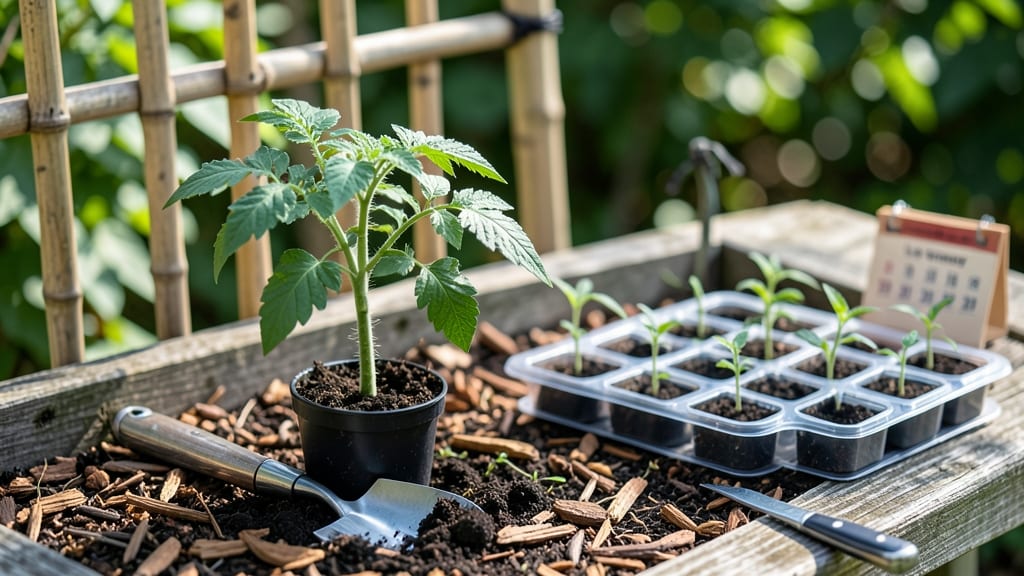
When do you plant tomatoes in California? Timing your 🍅 tomato planting isn't one-size-fits-all—get it wrong, and you might miss the growing season entirely. With coastal fog delays and inland heat rushes, the perfect window for planting varies dramatically between regions like 10a-10b zones.
Most gardeners in milder coastal areas can start seeds as early as February, while inland valleys wait until March or April to avoid frost surprises. The key is understanding your microclimate—whether you're in San Francisco's chilly coastal belt or the desert valleys where spring arrives weeks earlier.
I'll break down the exact planting deadlines for each zone, plus pro tips to extend your harvest season. Whether you're a beginner or seasoned gardener, these insights will help you avoid common mistakes and maximize your 🍅 tomato yield all year long.
Ready to turn your backyard into a productive tomato patch? Let's dive into the science-backed schedule that works for California's diverse growing conditions.
California tomato planting zones: exact dates by USDA zone (avoid frost risk)
California’s diverse microclimates mean tomato planting deadlines can shift by 60 days between regions. Unlike most states, California’s USDA zones 5-11 create wildly different frost risks—even within the same county. Let’s break down the exact planting windows for each zone, including seed-starting and transplant timelines.
Most of California avoids frost, but high-elevation zones (5-7) in the Sierra Nevada and Cascade Range still face rare cold snaps. Even in zone 10b (Southern California), coastal fog can delay planting by 4-6 weeks compared to inland deserts. Here’s how to time it perfectly for your location.
| Zone | Last Frost Date | Seed Start Indoors | Transplant Outdoors | Harvest Window |
|---|---|---|---|---|
| 5-7 (Sierra Foothills) | Late May | March 15-April 1 | May 15-June 1 | July-October |
| 8 (Sacramento Valley) | None (rare) | February 15-March 15 | March 1-April 15 | May-September |
| 9 (Central Coast) | None (coastal fog) | January 15-February 15 | February 1-April 1 | April-August |
| 10a (San Diego) | None | December 15-January 15 | January 15-February 15 | March-July |
| 10b (Desert Valleys) | None | January 1-February 1 | February 15-March 15 | April-August |
| 11 (Palm Springs) | None | December 1-January 1 | January 1-February 1 | February-June |
Notice how zone 11 (Palm Springs) can plant 2 months earlier than zone 9 (Central Coast)? That’s due to heat inversion layers trapping warmth in desert valleys while coastal areas stay cool. Even within zone 9, Santa Cruz’s fog delays planting by 3 weeks compared to Salinas.
For transplanting seedlings, wait until soil reaches 60°F (15°C)—use a soil thermometer to check. In cooler zones (5-7), opt for early-maturing varieties like ‘Early Girl’ (65 days) to avoid late-summer heat stress.
In hot zones (10b-11), choose heat-tolerant types like ‘Solar Fire’ or ‘Heatmaster’ to prevent blossom drop.
Pro tip: Succession plant every 2 weeks in zones 8-11 to stagger harvests. For example, in zone 10a, plant 2 batches in February and 1 in March for continuous tomatoes through July. This works because California’s long growing season allows multiple planting cycles.
If you’re in zone 5-7, consider row covers or cold frames to extend your season. I’ve had success in zone 6 (Folsom) planting under cloches in April and harvesting through October. The key is monitoring nighttime temperatures—tomatoes thrive when temps stay above 55°F (13°C).
For container growing, adjust timelines by 1-2 weeks earlier since pots warm faster. Place containers in south-facing spots and use black plastic mulch to raise soil temps by 5-10°F. This is especially useful in urban areas where microclimates vary block-to-block.
Remember: Soil temperature matters more than air temperature. Test it with a soil thermometer—if it’s below 60°F (15°C), your seedlings will stunt. In coastal zones (9-10a), this often means waiting until late March even if air feels warm.
🌱
Coastal vs. desert California: why planting timing differs dramatically
California’s microclimates create planting windows that can differ by 60 days between regions. Coastal areas like San Francisco experience persistent fog, delaying soil warming, while desert valleys like Palm Springs can plant tomatoes 6 weeks earlier thanks to early spring heat.
This dramatic shift isn’t just about temperature—it’s about altitude, ocean influence, and urban heat islands that reshape your growing season.
The San Francisco Bay Area (Zone 9b-10a) often waits until late March to transplant seedlings, while Death Valley (Zone 9a) can start seeds as early as January. Even within cities, neighborhoods just miles apart may have 2-week differences in ideal planting dates due to local topography.
Understanding these variations ensures your tomatoes thrive without wasted effort or lost harvests.
Here’s how to identify your microclimate’s unique conditions: Check your last frost date (even rare ones in high elevations), monitor soil temperature (aim for 60°F+), and observe local heat inversion patterns that trap cold air in valleys.
Urban gardeners should also account for concrete heat absorption, which can create micro-zones 5-10°F warmer than surrounding areas.
Urban gardeners face another challenge: heat islands in cities like Los Angeles can create micro-zones where soil temperatures rise 10°F+ higher than nearby suburbs. Test your soil with a thermometer before planting—if it’s below 60°F, delay transplanting or use black plastic mulch to accelerate warming.
This simple step can mean the difference between flourishing plants and stunted growth.
For coastal gardeners, embrace the fog by choosing early-maturing varieties like 'Stupice' (60 days) or 'Tiny Tim' (55 days). These tolerate cooler soils and still deliver harvests by summer.
Inland growers, meanwhile, can push limits with succession planting: Start a new batch every 2 weeks from March to June for continuous harvests through fall. The key is matching your variety to your microclimate—not forcing one-size-fits-all schedules.
Pro move: Keep a gardening journal for 2-3 years to track your local patterns. Note when your soil reaches 60°F, how long fog delays persist, and which varieties thrive.
This personalized data will let you fine-tune planting dates year after year, ensuring your tomatoes hit peak productivity without guesswork. 🌱