
Plants
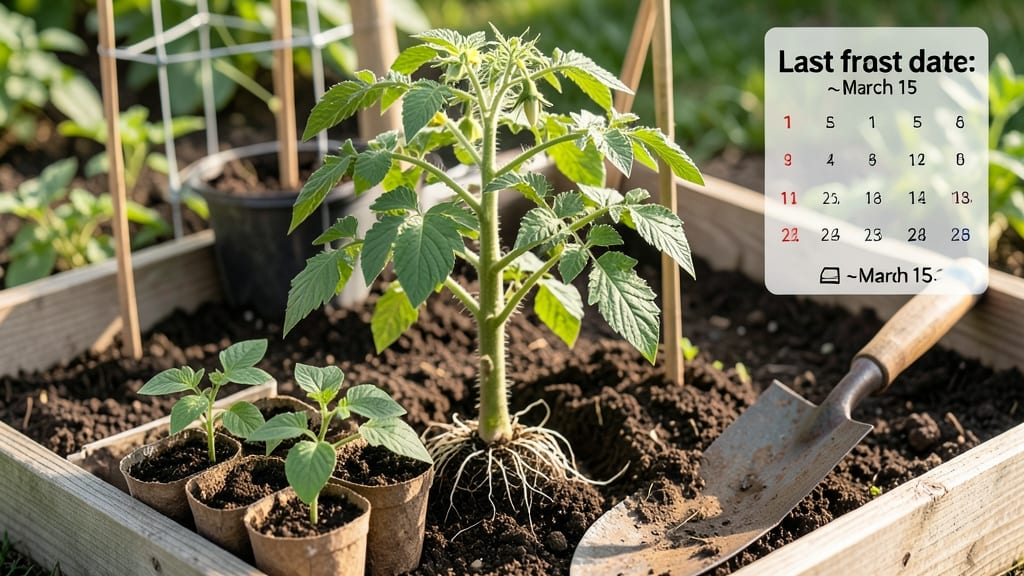
If you're dreaming of a backyard bursting with juicy 🍅 tomatoes, when should you plant tomatoes in Oklahoma to turn that dream into a reality?
The state’s unpredictable spring weather can make timing a gamble—plant too soon, and frost will nip your vines in the bud; wait too long, and summer’s heat might leave you with scorched leaves and few rewards.
The secret to success lies in knowing your local frost dates and soil temperatures, because in Oklahoma’s 6b-8a zones, timing isn’t just important—it’s everything.
Most gardeners in Oklahoma know the general rule: wait until after the last frost, but that’s not enough. The real magic happens when you align your planting with soil warmth—aim for 60°F or higher to prevent blossom-end rot and ensure strong root growth.
For spring plantings, that typically means mid-April to early June, but urban areas like Oklahoma City can run 5-10 days later than rural spots due to heat islands.
Here’s the game-changer: Oklahoma’s climate actually lets you plant tomatoes twice a year. A fall harvest in late July or early August can extend your season into October, giving you a second chance at those vine-ripened flavors.
But rushing the process? That’s how you end up with sad, stunted plants or a harvest that never comes.
In this guide, I’ll break down the exact windows for both spring and fall plantings, plus pro tips to beat Oklahoma’s quirks—whether you’re dealing with late frosts, scorching summers, or everything in between. Let’s make sure your tomato plants thrive, not just survive.
Oklahoma last-frost dates by region: critical planting windows for tomatoes
Oklahoma’s diverse climate—from the cooler northern regions to the sweltering southern plains—means last-frost dates can vary by 3-4 weeks across the state. For tomatoes, this translates to a 10-day window between planting too early (frost damage) and too late (missed harvest).
Let’s break down the critical planting windows by region to ensure your tomato plants thrive.
Northern Oklahoma (USDA Zones 6b-7a, e.g., Oklahoma City and Tulsa) typically sees its last frost between March 25 and April 5. This means you should wait until mid-April to transplant seedlings outdoors or start seeds indoors in early March for early varieties.
Central Oklahoma (Zone 7a-7b, like Norman) has slightly earlier last frosts (March 15-25), allowing for late-March transplanting.
Southern Oklahoma (Zones 7b-8a, including Oklahoma City’s southern suburbs and Lawton) enjoys warmer springs, with last frosts often by March 1-15. Here, you can safely transplant seedlings by early March or start seeds indoors in February for a head start.
Microclimates—like urban heat islands or high-altitude areas—can shift these dates by 1-2 weeks, so always monitor local forecasts.
For fall harvests, Oklahoma gardeners can plant a second crop of tomatoes in late July to early August. This second planting allows you to enjoy tomatoes through September and October, avoiding the scorching summer heat that can stress plants.
Choose heat-tolerant varieties like 'Arkansas Traveler' or 'Solar Fire' for this late-season window.
Urban gardeners in Oklahoma City or Tulsa may face microclimate challenges, such as heat islands that delay frost or shaded areas that require earlier starts. Use a soil thermometer to confirm soil temperatures are above 60°F before transplanting—this prevents blossom-end rot and ensures strong root growth.
Pro tip: If you’re unsure about your local last-frost date, check the Oklahoma Mesonet or your local cooperative extension office for real-time data. These resources provide hyperlocal frost predictions that can save your tomato plants from unexpected cold snaps.
Stagger your plantings by 2-3 weeks to extend your harvest season. For example, plant one batch in mid-April and another in early May to enjoy tomatoes from June through October. This strategy also helps mitigate risks from pests or diseases that may affect a single planting.
Remember, Oklahoma’s weather is unpredictable—always have row covers or frost cloth on hand for late-season protection. With the right timing and preparation, you’ll be rewarded with homegrown tomatoes that rival anything from the grocery store.
🌱
Best tomato varieties for Oklahoma’s climate: heat-tolerant vs. early-maturing options
Oklahoma’s sweltering summers and unpredictable springs demand tomato varieties that thrive under pressure. Heat-tolerant types like 'Arkansas Traveler' and 'Solar Fire' handle 90°F+ temperatures without wilting, while early-maturing 'Celebrity' or 'Early Girl' beat the heat by producing fruit faster.
My top picks balance disease resistance and heat endurance—critical for Oklahoma’s USDA Zones 6b-8a.
For urban gardeners with limited space, bush varieties like 'Patio Princess' or 'Tiny Tim' deliver high yields without sprawling vines. These compact types also ripen 10-15 days earlier than standard varieties, giving you an edge when summer arrives.
If you’re in southern Oklahoma, prioritize heat-set varieties that pollinate under high temps.
🌱
🍅 Top Tomato Varieties for Oklahoma
| Variety | Type | Days to Maturity | Heat Tolerance | Best For |
|---|---|---|---|---|
| Arkansas Traveler | Heirloom | 75-85 | ✅ Excellent | Southern OK, summer heat |
| Celebrity | Hybrid | 65-70 | ✅ Good | Early harvests, disease resistance |
| Solar Fire | Hybrid | 70-75 | ✅ Excellent | Urban gardens, heat waves |
| Early Girl | Hybrid | 55-60 | ⚠️ Moderate | Cool springs, quick harvests |
| Patio Princess | Bush | 60-65 | ✅ Good | Containers, small spaces |
✅ Heat-tolerant = Thrives above 90°F
⚠️ Moderate = Needs afternoon shade in peak summer
To extend your harvest, I stagger plantings every 2-3 weeks from mid-April to early June. This ensures a continuous supply of ripe tomatoes before Oklahoma’s summer heat peaks. For fall harvests, plant heat-set varieties like 'Heatmaster' in late July—they’ll produce fruit before the first frost.
Pro tip: Mulch heavily with straw or black plastic to regulate soil temps. This prevents blossom-end rot (a common issue in Oklahoma’s fluctuating temperatures) and keeps roots cool during 100°F+ days.
Pair tomatoes with basil or marigolds to repel pests like hornworms and aphids, which thrive in Oklahoma’s humid summers.
For high-altitude areas (e.g., Oklahoma City or Tulsa), opt for earlier-maturing varieties like 'Mountain Merit' to avoid late-spring frosts. In southern Oklahoma, where summers are longer, focus on heat-tolerant heirlooms like 'Cherokee Purple'—they handle the humidity and heat better than most hybrids.
🌿