
Plants
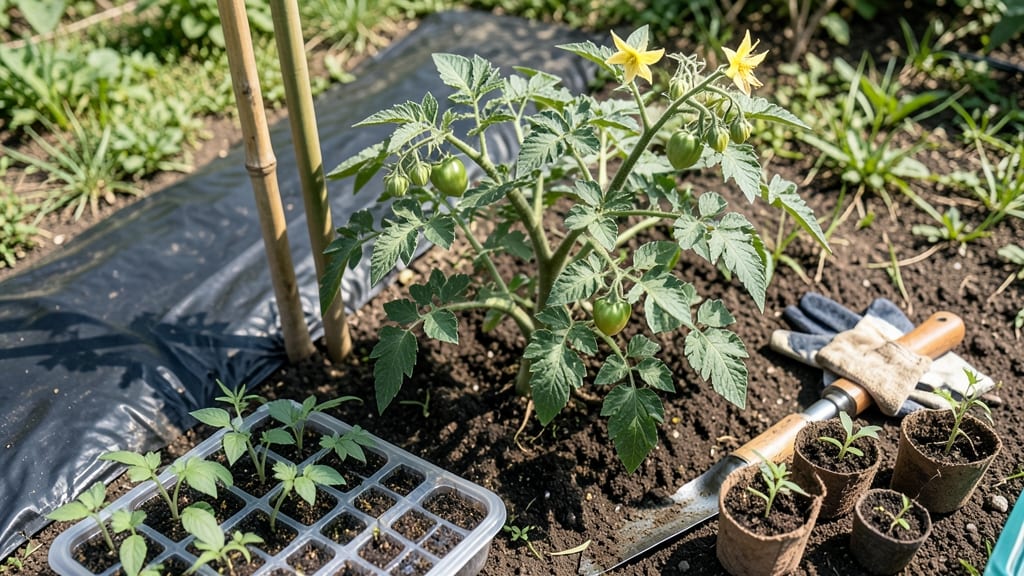
Timing when do you plant tomatoes in North Carolina just right can mean the difference between a bumper crop and wasted effort. Planting too early risks frost damage or bolting, while waiting too long might leave you with stunted vines and fewer tomatoes.
The key lies in understanding your specific zone—whether you're in the coastal plains, Piedmont, or mountains—since conditions vary dramatically across the state.
Most gardeners in USDA zones 7a-8b should aim for mid-April to mid-June, but that window shifts depending on your microclimate. For instance, mountain regions with cooler soils may need to wait until late May, while the coastal plain can often start earlier.
The secret? Waiting until soil temperatures hit at least 60°F and all frost danger has passed.
You might be tempted to rush planting, especially when seed catalogs start arriving in early spring. But rushing can backfire—tomatoes planted too soon bolt (flower prematurely) or struggle to establish roots.
Instead, I’ll show you exactly when to start seeds indoors, when to transplant, and how to extend your growing season so you can enjoy homegrown tomatoes from June through October.
Let’s break it down by zone, so you can avoid common mistakes and maximize your harvest. Whether you’re a first-time gardener or a seasoned pro, these zone-specific tips will help you time your 🍅 planting perfectly for zero bolting and the most flavorful tomatoes of your life.
North Carolina planting zones: exact dates to avoid tomato bolting
North Carolina’s diverse climate—from the Coastal Plain to the Mountains—means tomato planting dates vary dramatically by region. Plant too early, and you risk cold damage or bolting (premature flowering).
Plant too late, and your harvest shrinks. Let’s break down the optimal windows for each zone to maximize your tomato yield.
First, check your USDA zone (NC ranges from 5b to 8a). The last frost date is your starting point, but soil temperature (aim for 60°F+) and microclimates (like urban heat islands) also matter. For example, Asheville (Zone 7a) can plant weeks earlier than Wilmington (Zone 8a).
Here’s the key: Transplants (store-bought or homegrown) should go in 2–4 weeks after your last frost, while direct-sown seeds need warmer soil (70°F+) and go in 4–6 weeks later. Miss this window, and your plants may bolt (flower early) or stunt.
🌱
For Zone 8a (like the Outer Banks), you can even plant early varieties like ‘Stupice’ in February under row covers. But in Zone 5b (mountains), wait until June to avoid late frosts.
Pro tip: Use black plastic mulch to warm soil faster—this lets you plant 2–3 weeks earlier in cooler zones. Just remove it once flowers appear to prevent overheating.
🌡️
If you’re unsure about your last frost date, check the NC State Extension’s frost calculator or use 3-year averages from local weather stations. For example, Raleigh’s last frost is April 15 on average, but 2023 saw it as late as May 5—so always be prepared for delays.
Now that you’ve got your planting dates locked in, the next step is choosing heat-tolerant varieties for late-season success. (Spoiler: ‘Celebrity’ and ‘Solar Fire’ are NC favorites!) But first—let’s talk about extending your season to squeeze every last tomato from your plants.
North Carolina planting zones: exact dates to avoid tomato bolting
North Carolina’s diverse climate—from the cool mountain regions to the humid coastal plains—means tomato planting dates vary dramatically. The state spans USDA zones 5b to 8a, and each zone has its own ideal window for planting.
For example, gardeners in zone 8a (coastal plain) can start as early as mid-April, while those in zone 5b (mountains) should wait until late May.
The key is aligning your planting with soil temperature (at least 60°F) and last frost dates, which can differ by weeks across the state.
If you’re planting transplants (purchased or homegrown), aim for 4-6 weeks after your last frost date. For direct sowing seeds, wait until soil is consistently warm—typically 2-3 weeks after transplants. Skipping this step often leads to bolting (premature flowering) or weak plants that struggle to produce fruit.
I’ve seen firsthand how a rushed planting can turn a thriving tomato patch into a sad, flower-covered vine with no tomatoes!
Here’s a breakdown of zone-specific planting windows to help you avoid bolting and maximize your harvest. These dates are based on historical frost data and soil warming trends for North Carolina:
For gardeners in zones 7b and 8a, you can even start transplants indoors in late winter (February) to get a head start. Use grow lights to provide 12-14 hours of light daily until soil is warm enough.
This technique lets you plant outdoors as early as late February or early March in the coastal regions, giving you a longer harvest window and even a chance at fall tomatoes if you plant late varieties.
One mistake I see often is relying solely on calendar dates instead of soil temperature. A cold snap in April can delay planting, while a warm spell in March might trick you into planting too soon.
Always check soil temp with a soil thermometer—it’s the most reliable way to avoid bolting. If your soil is still below 60°F, wait another week or two. Your tomatoes will thank you with bigger, juicier fruit and fewer flowers that don’t set fruit.
Pro tip: Use black plastic mulch to warm soil faster. It can raise soil temperatures by 5-10°F, helping you plant earlier in cooler zones. Just lay it down 1-2 weeks before planting to let it heat up.
Pair this with straw mulch after planting to retain moisture and keep roots cool on hot days. This combo has helped me extend my harvest by 3-4 weeks in zone 6a!
Finally, don’t forget that succession planting can give you tomatoes all summer. After your first harvest, replant with fast-maturing varieties (like ‘Early Girl’ or ‘Stupice’) every 2-3 weeks until mid-July. This way, you’ll have fresh tomatoes from June through October, no matter your zone. 🍅