
Companion Plants
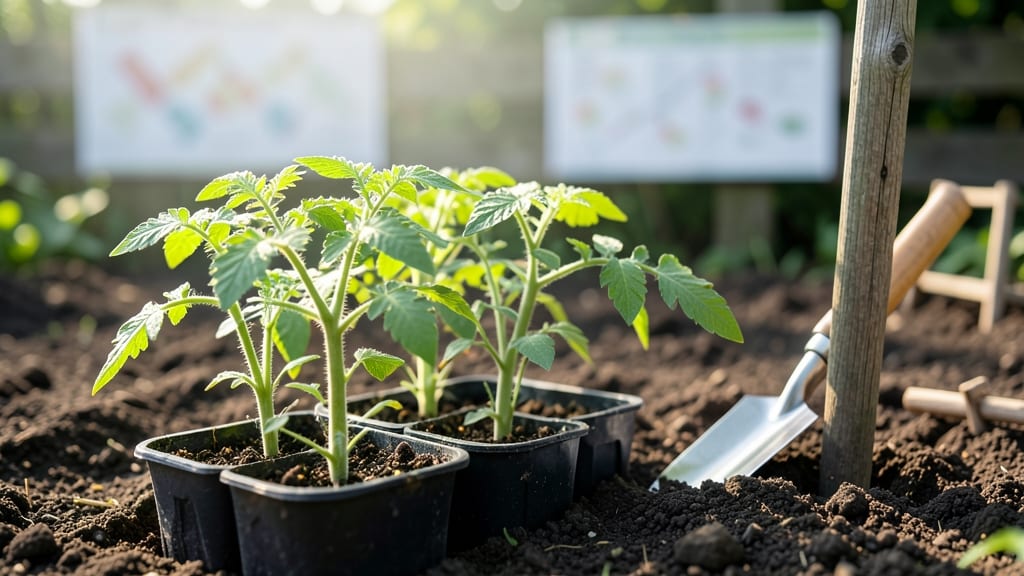
Timing when do you plant tomatoes in Pennsylvania can mean the difference between a garden full of vibrant 🍅 plants and a sad, frost-bitten disappointment. Pennsylvania’s USDA zones 5-7 bring unpredictable swings—one day warm enough to plant, the next a surprise freeze.
But don’t let that scare you off: with the right strategy, you can beat the climate and enjoy a harvest from July to October.
Most gardeners in Pennsylvania aim to plant tomatoes between mid-April and mid-May, once the soil warms to at least 60°F. However, rushing too early can leave your seedlings vulnerable to late frosts, while waiting too long might cut your growing season short.
The key is balancing patience with opportunity—especially when choosing between early varieties for a quick harvest or heat-tolerant types that thrive in Pennsylvania’s summer heat.
If you’re wondering whether fall planting is an option, the answer is yes—but it requires careful planning. Transplanting tomatoes 6-8 weeks before the first frost (usually around early September) can still yield a second harvest.
Just be prepared to use row covers or cold frames to extend the season, and pick varieties that mature faster in cooler weather.
In this guide, I’ll walk you through the exact steps to time your tomato planting perfectly, whether you’re a seasoned gardener or a beginner eager to grow your first 🍅.
We’ll cover regional differences, soil prep tricks, and how to avoid common mistakes that trip up even experienced growers in Pennsylvania’s climate.
Best spring planting dates for tomatoes in PA (by region)
Pennsylvania’s last frost dates vary dramatically—from late April in southern regions to early June in the north. For tomatoes, timing is everything: plant too early, and frost will kill tender seedlings; too late, and your season shrinks.
The key is aligning your planting window with your local USDA zone (5-7) and soil temperature thresholds.
Most PA gardeners aim for mid-April to mid-May for spring planting, but this shifts based on microclimates. Philadelphia’s last frost typically lands around April 15, while Pittsburgh’s average is April 25, and Erie’s can linger until May 10.
Always verify with your local agricultural extension office or use tools like the National Weather Service’s frost predictor.
Here’s the critical rule: Wait until soil temperatures hit 60°F (15°C) at least 1 inch deep. A soil thermometer is your best friend—cold soil stunts root growth, even if air temps are warm. Pro tip: Use black plastic mulch 1-2 weeks before planting to warm the soil faster.
For container gardening, add 2-3 weeks to these timelines—pots heat up slower. If you’re growing early-season varieties like ‘Stupice’ or ‘Mountain Merit’, you can plant 2-3 weeks earlier than standard types. But avoid rushing: late blights thrive in cool, wet springs common in PA.
| Region | Avg Last Frost | Ideal Planting Window | Soil Temp Goal | Notes |
|---|---|---|---|---|
| Philadelphia | April 15 | April 20–May 5 | 60°F+ | Urban heat islands may warm soil faster |
| Pittsburgh | April 25 | May 1–15 | 60°F+ | Valley areas (e.g., Johnstown) plant 1 week earlier |
| Erie | May 10 | May 15–30 | 60°F+ | Lake-effect cooling delays planting |
| State College | May 5 | May 10–25 | 60°F+ | High elevation = cooler soils |
If you’re starting seeds indoors, begin 6-8 weeks before your region’s last frost date. Use grow lights or a sunny windowsill—tomato seedlings need 12-16 hours of light daily to avoid leggy growth. Harden off seedlings for 7-10 days before transplanting by exposing them to outdoor conditions gradually.
For heirloom varieties with longer growing seasons (e.g., ‘Brandywine’ or ‘Cherokee Purple’), prioritize early planting and use row covers if late frosts threaten. These tomatoes need 85-100 days to mature, so don’t cut it too close to your first frost date (October 15 in most of PA).
One common mistake? Relying solely on calendar dates instead of soil temperature. I once planted my cherry tomatoes on April 20th in Philadelphia—only to watch them wilt when a late frost hit because the soil was still 52°F.
Always test your soil with a thermometer for 3 consecutive days before planting.
Pro move: Pair your tomatoes with basil or marigolds to deter pests and improve flavor. And if your season feels too short, consider fast-maturing hybrids like ‘Early Girl’ (60 days) or ‘Patio Princess’ (45 days)—perfect for container gardens or urban balconies.
Remember: PA’s climate is a wildcard. Keep a frost watch calendar handy, and don’t hesitate to use row covers or cloches for an extra layer of protection if early blooms appear. With the right timing, you’ll be feasting on homegrown tomatoes by July 4th—or even earlier!
Fall tomato planting in PA: how late is too late?
Fall tomato planting in Pennsylvania can extend your harvest well into October—but only if you follow the rules. Unlike spring, where timing is about avoiding frost, fall planting hinges on heat-loving varieties, soil warmth, and knowing your first frost date.
Most PA regions (USDA zones 5-7) see their first frost between October 10-20, so aim to transplant seedlings 6-8 weeks before that date.
For example, if your area’s first frost is October 15, your last transplant date should be around August 20-25.
This window allows plants to mature before cooler nights slow growth. Heat-tolerant varieties like 'Celebrity,' 'Better Boy,' or 'Solar Fire' thrive in late-season heat, while cooler-tolerant types like 'Mountain Merit' or 'Stupice' can handle a few chilly nights.
Urban gardeners in cities like Philadelphia or Pittsburgh face extra challenges: heat islands can delay first frost by 1-2 weeks, while rural areas may freeze earlier. Always check local microclimate data—your neighbor’s frost date might not match yours!