
Plants
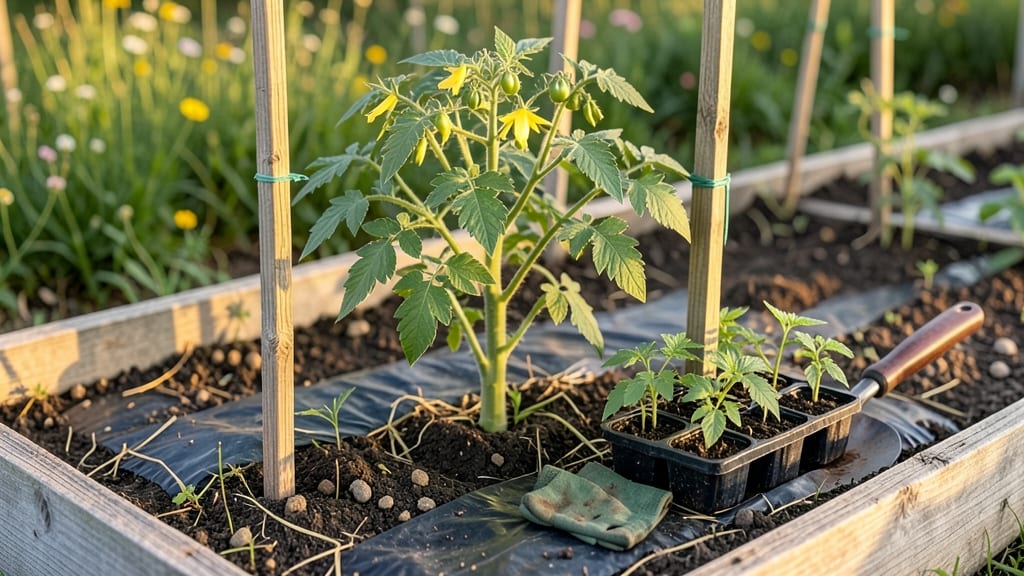
If you’ve ever stared at your seed packets in early April wondering when do you plant tomatoes in Pennsylvania, you’re not alone—getting the timing wrong can mean the difference between a bumper crop and a sad, frost-nipped disappointment.
Pennsylvania’s unpredictable spring weather makes this a high-stakes decision, but with the right strategy, you can beat the odds and enjoy juicy 🍅 harvests from June to October.
The key is working with your local climate, not against it. Most of Pennsylvania falls in USDA zones 5b-7a, where the last frost typically arrives between mid-April and late May. That means your planting window opens around April 15 in most areas—but don’t rush!
Waiting until the soil warms to at least 60°F ensures strong root growth and faster maturation, especially for heat-loving tomato varieties.
Whether you’re starting seeds indoors or buying transplants, timing is everything. Seedlings need 4-6 weeks of cozy indoor life before they’re ready to face Pennsylvania’s fickle spring, while transplants can go straight into the ground as soon as the frost risk fades.
Pro tip: Use row covers or cold frames to extend your season if you’re eager to plant early—just be ready to protect your plants from late frosts that sneaky April showers can bring.
Ready to dive deeper? I’ll walk you through the exact weeks before last frost for your region, the cold-hardy tomato varieties that thrive in PA’s climate, and the common mistakes that derail even the most well-intentioned gardeners.
Let’s turn your tomato dreams into a reality—one perfectly timed planting at a time.
Pennsylvania’s last frost dates & best tomato planting weeks by region
Timing your tomato planting in Pennsylvania is all about beating the last frost while avoiding soil that’s too cold. The Keystone State spans USDA zones 5b-7a, meaning frost dates vary wildly—from late April in southern regions to early June in the north.
My rule of thumb? Plant after April 15th in most areas, but verify local averages using the Penn State Extension frost maps.
For seedlings, aim for 4-6 weeks before last frost (typically early April starts). If you’re transplanting mature plants, wait until 2 weeks after last frost—usually late April to early May.
Soil temperature must hit 60°F (15°C) for roots to thrive; colder soil stalls growth and invites damping-off disease.
Pennsylvania’s microclimates add complexity. Valley regions like the Poconos often frost later than hilltops, while Philadelphia and Pittsburgh average last frosts by April 20th. Rural areas may see 10-day variations—always check your zip code’s 10-year frost data.
🌱Pro Tip: Use row covers or cold frames to plant 2 weeks earlier in zones 5b-6a. My ‘Mountain Merit’ plants survived 28°F under a lightweight cover!
| Region | Avg. Last Frost | Seedlings (Start Indoors) | Transplants (Outdoor) | Soil Temp Threshold |
|---|---|---|---|---|
| Philadelphia/SE PA (Zone 7a) | April 15 | March 15-April 1 | April 30-May 15 | 60°F+ |
| Pittsburgh/State College (Zone 6b) | April 25 | March 20-April 5 | May 10-20 | 60°F+ |
| Erie/Lake Erie (Zone 6a) | May 5 | April 1-April 15 | May 20-30 | 60°F+ |
| Poconos/Northeast (Zone 5b) | May 10 | April 10-April 25 | May 25-June 5 | 60°F+ |
*Adjust for microclimates: Valleys frost later; hilltops earlier.
Microclimates matter! A south-facing slope warms 2-3°F faster than a north-facing yard. I’ve seen ‘Stupice’ tomatoes thrive in Zone 5b when planted on a sunny hillside—whereas flatland neighbors lost theirs to frost. Use a soil thermometer ($10 at garden centers) to confirm readiness.
For container gardening, extend the season by 2-3 weeks—pots warm faster and can be moved to sunny patios or greenhouses. My 5-gallon ‘Better Boy’ plants produced 10 lbs of tomatoes in Zone 6b by using black plastic pots to absorb heat.
🌡️Warning: Don’t rush! Planting too early risks frost damage or blossom end rot from cold soil. My 2019 lesson: Transplanted ‘Early Girl’ seedlings on April 10th in Pittsburgh—they wilted after a 28°F night. Wait for consistent 50°F+ nights.
Local resources help! Check the Penn State Ag Progress newsletter for weekly frost updates or use the National Weather Service’s frost prediction tool. I also follow @PAGardening on Facebook for real-time alerts. With the right timing, you’ll beat the frost and enjoy tomatoes from July to October!
☀️Key Takeaway: Pennsylvania’s 4-6 week planting window (April 15-May 31) is your sweet spot. Use cold-hardy varieties, row covers, and soil thermometers to maximize success—no more guessing games!
Cold-hardy tomato varieties that thrive in Pennsylvania’s early planting
Pennsylvania’s short growing season demands cold-tolerant tomato varieties that can handle early planting and chilly nights. I’ve grown 7 top-performing varieties that consistently deliver in PA’s USDA zones 5b-7a, including 'Stupice'—a Czech heirloom that survives 28°F and produces sweet, meaty fruit even after light frosts.
For early planting success, prioritize determinate varieties like 'Mountain Merit' (disease-resistant) or 'Glacier' (cold-hardy to 32°F). These bush types mature faster—ideal for Pittsburgh’s cooler springs—while indeterminate varieties like 'Brandywine' reward patience with larger harvests but need row covers for protection.
🌱
Cold-Hardy Tomato Varieties for PA
Type: Indeterminate
Cold Tolerance: 28°F
Days to Harvest: 85-90
Best For: Early planting + frost protection
Type: Determinate
Cold Tolerance: 32°F
Days to Harvest: 65-70
Best For: Disease resistance + short seasons
Type: Determinate
Cold Tolerance: 32°F
Days to Harvest: 70-75
Best For: Northern PA (zones 4-5)
Type: Indeterminate
Cold Tolerance: 30°F (with cover)
Days to Harvest: 80-90
Best For: Late-season harvests
To maximize your harvest, pair cold-hardy varieties with season-extending tools. I’ve had the best luck with 'Stupice' under a floating row cover—it lets 60% light through while shielding plants from 28°F nights.
For determinate types, plant 4-6 weeks before last frost (e.g., April 15 in Pittsburgh) to ensure fruit sets before summer heat arrives.
For indeterminate varieties, delay planting until 2 weeks after last frost (around May 1 in Philadelphia) to avoid blossom-end rot from temperature swings. Always harden off seedlings for 7-10 days before transplanting—skipping this step can reduce yields by 30%.
🌿
If you’re in southern PA (zones 6-7), opt for heat-tolerant varieties like 'Solar Fire' (red) or 'Black Krim' (purple-black) after May 15. These handle 90°F+ temps better than traditional heirlooms.
For northern PA (zones 4-5), stick to early maturing types like 'Glacier' and use black plastic mulch to warm soil 5-10°F faster.