
Plants
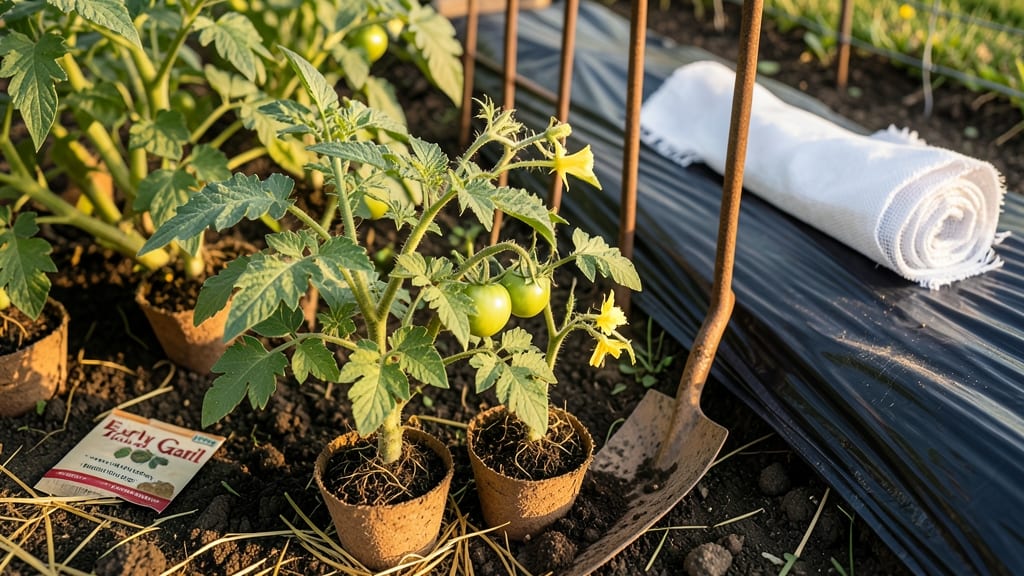
Timing when do you plant tomatoes in Washington State could mean the difference between a bumper crop and a wasted season.
The state’s diverse climate—from the mild Puget Sound to the harsher inland zones—means there’s no one-size-fits-all answer, but getting it right starts with knowing your last frost date and soil temperature.
Whether you’re in Zone 6 or Zone 8, planting too early risks frost damage, while waiting too long cuts your harvest short. I’ll break down the exact windows for each region, so you can avoid common mistakes and maximize your garden’s potential.
You’ll also discover how to extend your season with simple tricks like row covers and choosing fast-maturing varieties. By the end, you’ll have a clear, zone-specific plan to get your tomatoes in the ground at the perfect time—no guesswork required.
Ready to turn your garden into a 🍅 tomato powerhouse? Let’s dive into the details that will set you up for success this spring.
Washington State tomato planting deadlines by USDA Zone (with frost risk maps)
Timing your tomato planting in Washington State isn’t one-size-fits-all—it’s a zone-by-zone puzzle shaped by last frost dates, microclimates, and even elevation.
Most of the state falls within USDA Zones 6-8, but Puget Sound’s coastal moderation can delay frosts by weeks compared to inland areas like Spokane or the Columbia Basin.
For Zone 6 (e.g., northern WA, Spokane), aim to plant transplants after May 15—but always wait until soil temps hit 60°F+. In Zone 7 (central WA), you can start 2-3 weeks earlier, while Zone 8 (southwest WA) gardeners often enjoy a March-April window for early varieties.
Your best bet? Check the Washington State University Extension’s frost maps or use the USDA Plant Hardiness Zone Map to pinpoint your exact location. Even within a zone, urban areas like Seattle may experience earlier soil warming than rural spots 20 miles away.
Here’s a quick rule of thumb: Count backward from your first frost date (typically October 15–November 1 in most zones) and subtract the days to maturity for your tomato variety. For example, a 75-day variety planted in Zone 7 should go in by July 10 to harvest before frost.
🌱
| USDA Zone | Last Frost Date (Avg.) | Ideal Planting Window | Soil Temp Requirement | Notes |
|---|---|---|---|---|
| Zone 6 (North WA, Spokane) | May 15–June 1 | After May 15 (transplants) | 60°F+ (15.5°C+) | Use row covers for early starts. |
| Zone 7 (Central WA, Yakima) | April 20–May 5 | April 20–May 15 | 55°F+ (13°C+) | Best for early varieties. |
| Zone 8 (Southwest WA, Portland) | March 15–April 1 | March 15–April 15 | 50°F+ (10°C+) | Longer growing season; try fall planting. |
| Elevation Adjustments | 1 week later per 1,000 ft | Delay by 7–14 days | N/A | Example: Spokane (2,200 ft) plants later than Seattle. |
Pro tip: Use a soil thermometer—not air temperature—to confirm readiness. Tomatoes won’t thrive in cold soil, even if daytime temps are warm. In Zone 6, I’ve seen gardeners lose entire crops by planting too soon; always wait for consistency at 60°F for at least 3 days.
For heirloom varieties (e.g., Brandywine or Cherokee Purple), which take 85+ days to mature, stick to Zone 7/8 or use season-extending tricks like cold frames. In Zone 6, opt for determinate varieties (e.g., Roma or Stupice) that mature faster.
🌿
Don’t forget: Washington’s Pacific Northwest rain can delay planting. If your soil stays soggy, wait for it to dry out enough to crumble easily in your hand—this usually aligns with warmer, drier spells in late spring. For real-time updates, bookmark the WA AgWeatherNet for hyper-local frost and soil data.
Finally, fall planting is a hidden gem in Zone 8. Seedlings planted in August can produce a second harvest before winter, provided you choose fast varieties (e.g., ‘Mountain Merit’) and protect them with row covers as temps dip.
How to extend your washington tomato season: cold protection and early/late planting hacks
Washington’s cool springs and late frosts can shrink your tomato season, but smart gardeners use tricks to push the limits safely. The key? Protecting seedlings and choosing fast varieties that mature before fall’s chill sets in.
Even in Zone 6 (like Spokane), you can start tomatoes 4-6 weeks earlier than the traditional last-frost date with the right tools.
For Zone 7-8 areas (Puget Sound, Western WA), focus on fall planting to extend harvests into October. Plant heat-tolerant varieties like ‘Solar Fire’ or ‘Celebrity’ after your first frost—these handle cooler temps better than heirlooms. The secret? Soil temperature, not air temperature: aim for 60°F+ before planting.
Hardening off seedlings is non-negotiable when pushing early planting. Start 10-14 days before transplanting by moving seedlings outdoors for 2-3 hours daily, gradually increasing exposure. Skip this, and you’ll lose 30%+ of seedlings to shock.
For fall planting, use black plastic mulch to warm soil faster—this can add 1-2 weeks to your harvest window.
Pro tip: Elevate beds in cool zones. Raised beds warm up 2-3°F faster than in-ground soil, giving you an edge in Zone 6. Add compost or aged manure to boost soil warmth naturally. Pair this with drip irrigation to maintain consistent moisture—tomatoes wilt faster in cooler temps.
Don’t overlook microclimates. Urban areas like Seattle’s South End stay 5°F warmer than nearby suburbs due to heat islands. Use this to your advantage by planting 2 weeks earlier in these pockets. Conversely, high-elevation gardens (like Snoqualmie Pass) may need row covers until June 1.
For late-season harvests, prune suckers aggressively after August 15 to redirect energy to ripening fruit. Combine this with shade cloth (30%) to prevent sunscald on tomatoes exposed to late-summer heat. With these hacks, you can stretch your season from June to October—even in Zone 6.