
Plants
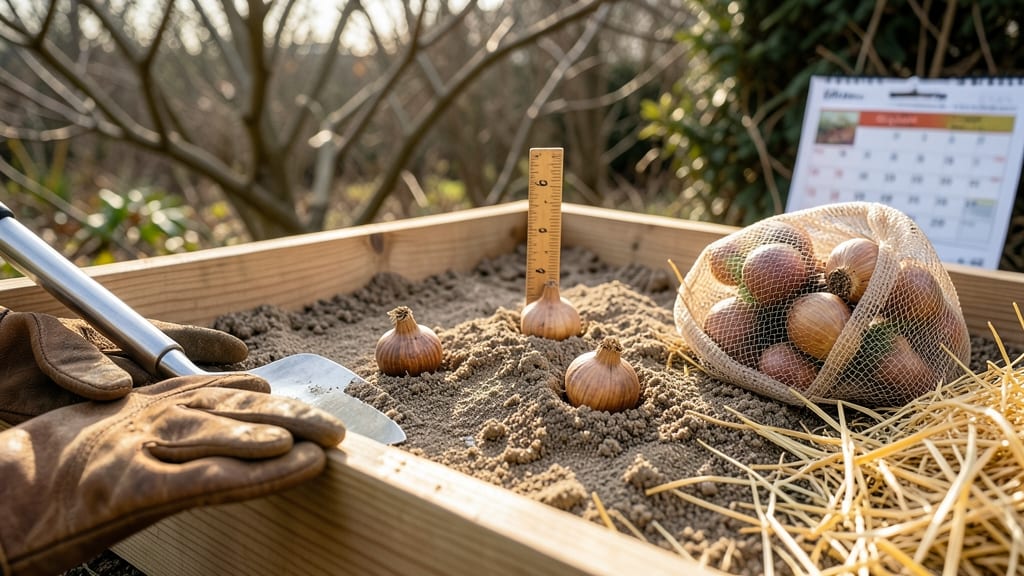
Planting tulip bulbs in California isn’t just about the calendar—it’s about reading your microclimate like a pro. Coastal gardeners in Zone 10 might get away with January planting, while inland Zone 9 areas need bulbs in the ground by early December to avoid winter rains.
Get this wrong, and you’ll either watch your 🌷 rot in soggy soil or miss the spring bloom entirely.
Here’s the game-changer: most California gardeners should aim for October through December, but the exact timing depends on where you live. Coastal areas with rare frosts can stretch planting later, while high-altitude spots might need an earlier start.
I’ll break down the 6-week rule—plant bulbs 6–8 weeks before your first frost—and how to adjust for California’s quirky weather patterns.
Why does this matter? Because tulips planted at the right time in the right spot will reward you with bold blooms from March to May, while those planted too late might struggle to establish roots before summer heat arrives.
Let’s dive into the specifics so you can time your planting like a local expert.
From soil prep to post-planting care, I’ll cover everything you need to know to ensure your 🌷 thrive—no matter if you’re in frost-free San Diego or a chilly valley town. Ready to turn your garden into a springtime showstopper? Let’s get started.
California’s tulip planting zones: when to plant by microclimate
California’s diverse climate zones mean your tulip planting window depends on where you live. Coastal areas like San Francisco rarely see frost, while inland valleys like Sacramento can hit 30°F by December.
High-altitude spots like Lake Tahoe need adjustments too. Let’s break it down by region so you plant at the perfect time for spring blooms.
Most California gardeners aim to plant tulip bulbs 6–8 weeks before the first frost. But since frost is rare in USDA Zone 10 (coastal) and common in Zone 9 (inland), timing shifts dramatically.
For example, Los Angeles gardeners can plant as late as January, while Sacramento should finish by mid-December.
Here’s the microclimate guide to help you choose the best window for your tulips:
| Region | USDA Zone | Planting Window | Key Notes |
|---|---|---|---|
| Coastal (LA, SF, San Diego) | 10 | November–January | Frost-free; plant late for spring blooms. |
| Central Valley (Sacramento, Fresno) | 9 | October–mid-December | First frost by January; plant early. |
| Inland Mountains (Lake Tahoe, Mammoth) | 7-8 | September–October | Early frost; plant bulbs ASAP. |
| Desert (Palm Springs, Joshua Tree) | 10-11 | December–January | Mild winters; plant after holidays. |
If you’re in Zone 10, like coastal Southern California, you can even plant tulips in early January for spring blooms. But inland gardeners should finish by mid-December to avoid bulb rot from winter rains. For high-altitude areas, start planting as early as September to beat the first frost.
Pro tip: Check your local frost dates using the USDA Plant Hardiness Zone Map or your county’s agricultural extension service. Aim to plant 6–8 weeks before the average first frost for best results. For example, if frost hits January 10th, plant by November 15th.
Soil temperature matters too! Tulip bulbs need 40–50°F soil to root before winter. Use a soil thermometer to check—if temps are above 50°F, wait a few weeks. In coastal areas, soil stays warm longer, so you can plant later. Inland, cooler nights mean earlier planting.
For container gardening, follow the same rules but plant bulbs 2–3 weeks earlier than in-ground. Containers heat up faster and dry out quicker, so adjust your timing to match your microclimate’s frost risks.
If you’re unsure, err on the side of planting early—tulips can handle cooler soil better than soggy, late-season planting.
Remember, California’s Mediterranean climate means winter rains can cause bulb rot if planted too early. Balance soil prep (well-draining soil!) with frost timing to give your tulips the best shot at vibrant spring blooms. 🌷
California’s tulip planting zones: when to plant by microclimate
California’s diverse climate zones mean your tulip planting window depends on where you live. Coastal areas like San Francisco rarely see frost, while inland valleys like Sacramento get chilly nights.
High-altitude regions like Lake Tahoe need even earlier planting. Let’s break it down by zone to ensure your tulip bulbs thrive.
For most of Southern and Central California (USDA Zones 9-10), aim to plant between mid-October and December. This gives bulbs time to root before winter rains arrive. In Northern California (Zones 8-9), where frosts are more common, plant between September and November.
High-elevation areas (above 3,000 feet) may even extend planting into early January.
| Region | USDA Zone | Best Planting Window | Notes |
|---|---|---|---|
| Coastal (e.g., LA, San Diego) | 10 | November–December | Frost-free; plant later for spring blooms |
| Central Valley (e.g., Fresno) | 9 | October–November | Light frosts possible; plant early |
| Northern (e.g., Sacramento) | 8-9 | September–October | Colder winters; plant sooner |
| High Elevation (e.g., Tahoe) | 7-8 | January–February | Snow cover protects bulbs; plant late |
If you’re in a Mediterranean climate (like much of coastal California), focus on planting after the first significant rain of fall. This ensures bulbs get moisture to root without rotting.
In drier inland areas, water thoroughly after planting to mimic natural rain cycles. Always choose well-draining soil to prevent bulb rot, especially in winter.
For container gardening, plant bulbs in pots by mid-October and place them in a sheltered spot during winter. This works well for balconies in San Francisco or patios in Palm Springs. Just ensure pots have drainage holes and use a lightweight potting mix to avoid soggy roots.
Pro tip: Mark your planting calendar with the last frost date for your area. Most California regions can plant tulips 6–8 weeks before frost, but coastal areas can push this to 4–6 weeks. Use this as your deadline to avoid missed blooms next spring.
Once planted, mulch with 2–3 inches of straw to insulate bulbs from temperature swings. In wildfire-prone zones, opt for gravel mulch to reduce fire risk while still protecting roots. With the right timing and care, your tulips will reward you with vibrant spring blooms—even in California’s unpredictable weather.