
Plants
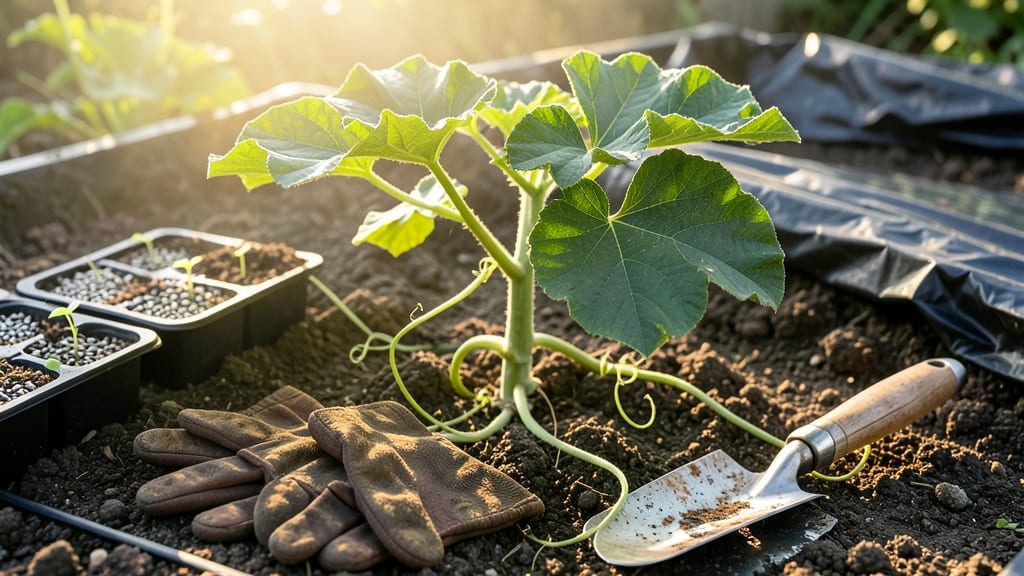
Planting watermelon in Florida at the wrong time can turn your garden into a bolting disaster—with bitter fruit or no harvest at all. The key to success lies in timing, and missing these exact week windows means smaller yields or wasted effort.
Whether you're a seasoned gardener or just starting, knowing when to plant your 🍉 watermelon in Florida's 9a-11 zones makes all the difference.
Florida’s frost-free climate gives you two prime planting opportunities: early spring and late summer. But even here, soil temperature matters—waiting until it hits 70°F ensures strong germination and healthy vines.
I’ll show you the precise weeks to plant for each region, so you can avoid common mistakes and maximize your harvest.
From North Florida’s cooler pockets to South Florida’s heat islands, microclimates play a huge role. You’ll learn how to adjust planting dates, use mulching tricks, and even tweak watering schedules to keep your watermelons thriving. No more guesswork—just a foolproof plan for juicy, sweet fruit from May to November.
Ready to grow watermelons that impress? Let’s dive into the exact timelines, care tips, and pro secrets that’ll turn your garden into a 🍉 paradise—without the frustration. Your first perfect harvest starts with the right move.
Florida watermelon planting calendar: exact weeks to avoid bolting
Florida’s frost-free growing season gives you two prime watermelon planting windows, but timing is everything. Plant too early, and your vines bolt from winter chill; too late, and summer heat shrinks fruit. The key? Soil temperatures above 70°F (21°C) and consistent warmth.
In North Florida (USDA Zones 8a-9a), aim for mid-February to early April for spring plantings. Central Florida (Zones 9b-10a) can start as early as late January, while South Florida (Zones 10b-11) has a longer window—January through April—thanks to milder winters.
For summer plantings, July-August works statewide.
🌱 Florida Watermelon Planting Timeline
| Region | Spring Planting Window | Summer Planting Window | Soil Temp Threshold | Harvest Window |
|---|---|---|---|---|
| North Florida | Mid-February to early April | July-August | 70°F+ (21°C+) | May-July (spring) / Sept-Nov (summer) |
| Central Florida | Late January to early April | July-August | 70°F+ (21°C+) | April-July (spring) / Sept-Nov (summer) |
| South Florida | January-April | July-August | 70°F+ (21°C+) | March-August (year-round potential) |
💡 Pro Tip: Use a soil thermometer to confirm temps before planting—cold soil = slow germination.
For direct sowing (no indoor starts), wait until after April 15 in North Florida to avoid unpredictable late-winter chills. In South Florida, you can plant year-round, but summer heat (above 90°F/32°C) can stress plants, so shade cloth helps.
If you’re starting seeds indoors, begin 4-6 weeks before your target outdoor date. Use biodegradable pots to avoid transplant shock, and harden off seedlings for 7-10 days before moving them outside. Transplant in the evening to reduce stress on young plants.
Watch for bolting—when vines flower too early—if you plant in March without consistent warmth. Bolting = bitter fruit, so cover seedlings with row fabric on cool nights to delay flowering until temps stabilize.
After planting, mulch heavily with straw or black plastic to retain soil moisture and keep roots cool. Water deeply 2-3 times per week, aiming for 1-2 inches of water weekly. Morning watering prevents fungal diseases like powdery mildew, a common Florida issue.
For fastest results, choose heat-tolerant varieties like 'Sugar Baby' or 'Crimson Sweet'. These handle Florida’s humidity and heat better than delicate heirlooms. Dwarf varieties (like 'Tiny Tim') work well for container gardening in urban areas.
Remember: Florida’s long growing season means you can plant twice a year—once in spring and once in summer. But timing is critical: Plant too early, and you’ll fight bolting; too late, and heat stress reduces yields. Mark your calendar and soil thermometer for success!
How to adjust planting dates for Florida’s microclimates
Florida’s climate isn’t one-size-fits-all—your North Florida garden behaves differently than South Florida’s tropical heat zones. Even within cities, urban heat islands can push soil temperatures 10°F+ hotter than rural areas, forcing adjustments to your planting timeline.
For example, Jacksonville’s last frost-free date is mid-February, while Miami can safely plant watermelon seeds in January without risk of chilly nights.
Coastal areas like Fort Lauderdale face high humidity, which speeds up germination but increases fungal risks. Inland zones like Orlando experience drier heat, requiring extra mulch to retain moisture.
Meanwhile, Everglades regions stay warm year-round, allowing two harvests—one in spring and another in fall. These microclimates mean your neighbor’s July planting might fail where your June timing thrives.
🌱
- 📍 North Florida (Panhandle): Wait until mid-March for soil temps ≥70°F; use black plastic mulch to warm soil faster.
- 🏙️ Urban Heat Islands (Tampa/Orlando): Plant 2 weeks earlier (late February) but use shade cloth (30%) to prevent bolting from extreme heat.
- 🌊 Coastal (Miami/Fort Myers): Start seeds indoors in January or direct-sow February 1-15 with drip irrigation to avoid fungal issues.
- 🏜️ Inland Dry Zones (Lakeland): Plant late March and mulch heavily (straw or pine needles) to lock in moisture.
- 🌴 Everglades/South Florida: Sow January or August for two harvests; use trellises to save space in small gardens.
For late-summer plantings (July–August), aim for harvest before fall rains hit. In South Florida, this means August 15–30 plantings to avoid hurricane season disrupting pollination. North Florida gardeners should stick to July 1–15 to finish before September’s heat spikes.
Pro tip: Soak seeds overnight in lukewarm water to jumpstart germination in cooler microclimates.
Shade cloth isn’t just for summer—30% shade applied in April–May can buy you 2 extra weeks of planting in North Florida’s hottest zones. Pair it with drip irrigation set to morning watering (6–8 AM) to mimic Florida’s natural dew cycles, which reduce powdery mildew by 40%.
Test your soil’s moisture retention with the squeeze test: If it stays clumped when pressed, you’re golden.
Don’t overlook container growing for urban gardeners. Dwarf varieties like ‘Sugar Baby’ thrive in 5-gallon pots and can be planted 2 weeks later than ground plantings—because containers heat up faster.
Just ensure pots have drainage holes and use lightweight potting mix to prevent root stress. For large vines, train them along trellises to save space and improve air circulation.
💧