
Plants
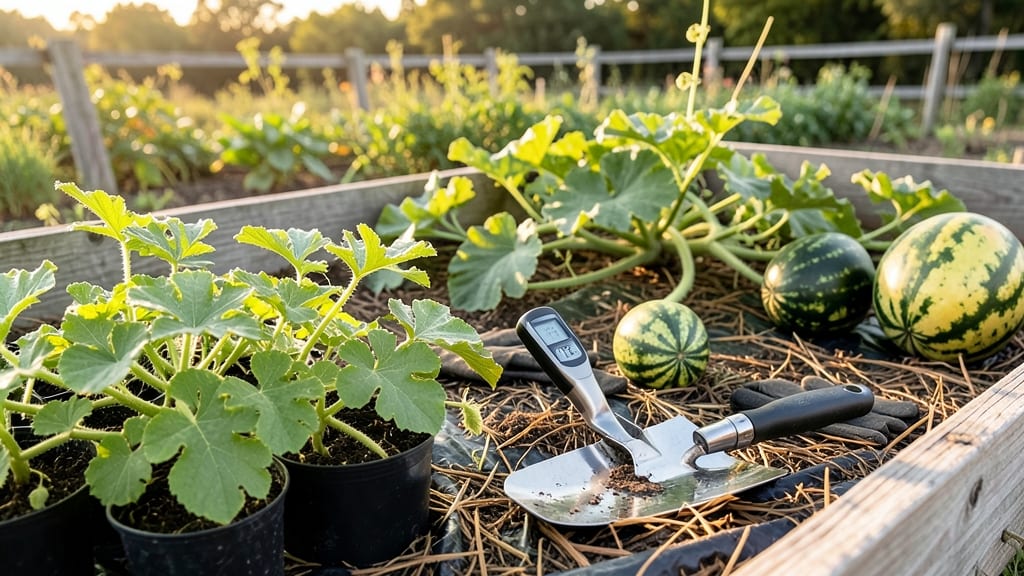
Planting your 🍉 watermelon at the right time in North Carolina can mean the difference between a bumper crop and a disappointing harvest. The key window—mid-April to early June—aligns perfectly with the state's 7a-8b zones, but getting the timing wrong risks frost damage or stunted growth.
Most gardeners make the mistake of rushing into planting too early, only to watch their seedlings wilt when temperatures dip. The secret? Waiting until soil temperatures hit at least 70°F and all frost danger has passed. This ensures your watermelons thrive from July through September.
In this guide, I’ll break down exactly when to plant based on your region—whether you’re in the Coastal Plain, Piedmont, or Mountains—plus how to choose the right varieties for your climate. You’ll also discover pro tips to extend your growing season and avoid common mistakes.
Ready to grow sweeter, juicier watermelons? Let’s get started with the perfect planting timeline for your North Carolina garden.
North Carolina watermelon planting timeline: soil temperature & frost-free guidelines
Watermelons thrive in North Carolina’s warm climate, but getting the timing right means the difference between a bumper crop and a failed harvest.
The key factors are soil temperature (minimum 70°F) and frost-free dates, which vary dramatically across the state’s three main regions: Coastal Plain, Piedmont, and Mountains.
For most of NC, mid-April to early June is the ideal window—but this shifts based on your location.
Coastal areas can start as early as late March with protection, while mountain regions often wait until late May to avoid late frosts. Soil temperature is more critical than air temperature, so always check with a soil thermometer before planting.
Here’s what you need to know about each region’s unique timeline to avoid frost damage and maximize your harvest:
If you’re planting in March, use row covers or a greenhouse to protect seedlings from unexpected late frosts. For June plantings, opt for heat-tolerant varieties like ‘Crimson Sweet’ to ensure fruit ripens before fall cools down.
In the Mountains, aim to finish planting by June 15 to allow enough time for a 75-day harvest window.
Pro tip: Use black plastic mulch to warm soil faster and extend your planting window by 1-2 weeks. This is especially helpful in cooler Piedmont and Mountain regions where soil heats up slower. Just lay the mulch 1-2 weeks before planting to give the ground time to warm.
Another critical factor is seedling age. If you start seeds indoors, transplant 2-3 week old seedlings after the last frost. Hardened-off seedlings adjust better to outdoor conditions and give you a 2-week head start on growth.
For direct sowing, wait until soil is consistently 70°F and plant seeds 1 inch deep, spacing them 6 inches apart in hills.
Watch for false springs, where warm weather tricks you into planting early, only for a late frost to strike. The NC State Extension provides frost-free probability maps—check these before finalizing your planting date.
In 2023 alone, unexpected late frosts in April damaged 30% of early watermelon plantings in the Piedmont.
For container growing, adjust your timeline by 1-2 weeks earlier since pots warm up faster. Place containers in a south-facing spot and use self-watering pots to maintain consistent moisture. Just remember: containers dry out faster, so monitor soil moisture daily during heatwaves.
Finally, keep an eye on your local microclimate. Low-lying areas or valleys may experience 2-3°F cooler temps than surrounding regions, delaying your planting window. If you’re unsure, err on the side of planting later—watermelons recover better from heat stress than from frost damage.
North Carolina watermelon planting timeline: soil temperature & frost-free guidelines
North Carolina’s last frost dates vary dramatically by region, making precise timing critical for watermelon success. In the Coastal Plain, you can plant as early as mid-March under protective cover, while the Piedmont and Mountains typically wait until mid-April to early May to avoid frost damage.
Always check your local USDA Zone (7a-8b) for exact dates.
Soil temperature is just as important as air temperature. Watermelons thrive when soil reaches at least 70°F—any cooler, and seeds may rot or fail to germinate. Use a soil thermometer to monitor conditions, especially in cooler mountain regions where soil warms slower.
In most of NC, this means waiting until late April to early June for direct sowing.
| Region | Last Frost Date | Ideal Planting Window | Soil Temp Requirement |
|---|---|---|---|
| Coastal Plain (Zones 8a-8b) | Mid-March | Late March–April | 70°F+ (earlier with row covers) |
| Piedmont (Zones 7a-7b) | Mid-April | Late April–early May | 70°F+ (wait for consistency) |
| Mountains (Zones 6a-7a) | Early May | Late May–early June | 70°F+ (soil warms slower) |
For gardeners in Zone 7a (common in the Piedmont), aim to plant watermelon seeds 2 weeks after your last frost date. This gives seedlings time to establish roots before summer heat arrives.
In Zone 8b (Coastal Plain), you can start 3-4 weeks earlier, but use black plastic mulch to accelerate soil warming if needed.
If you’re using transplants instead of direct sowing, start seeds indoors 4-6 weeks before your target outdoor planting date. Harden off seedlings gradually to avoid transplant shock. This method is ideal for late-May plantings in cooler regions, giving you a second harvest window in early fall.
Watch for unpredictable late frosts, especially in the Mountains. Even a light frost can kill young watermelon plants. Use frost cloth or a low tunnel for early plantings, and always have a backup plan for June replanting if spring weather turns chilly.
Timing isn’t just about the calendar—it’s about reading your local microclimate.
Once planted, watermelons need consistent warmth to thrive. After germination, maintain soil temperatures above 75°F for optimal growth. In NC’s humid summers, this often means daily watering and mulching to keep roots cool and moist.
A well-timed planting sets the stage for a bountiful harvest in July or August—just in time for summer picnics! 🍉