
Flowers
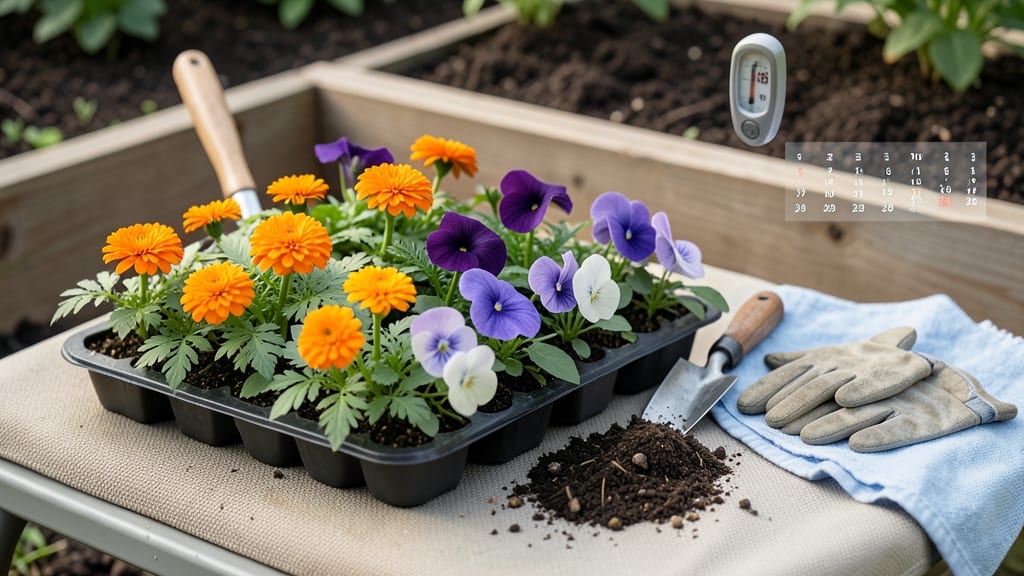
When is it safe to plant flowers in Michigan? Timing your flower planting in the Great Lakes State can feel like playing a high-stakes game of chance—get it wrong, and your 🌸 blooms might never even take root. The difference between a vibrant garden and a frost-killed disappointment often comes down to knowing when those last spring frosts finally retreat for good.
With Michigan’s USDA Zones 5-6, the answer isn’t one-size-fits-all. Southern regions like Detroit might see safe planting as early as mid-April, while northern areas like Traverse City could wait until late May.
But how do you know for sure? The key lies in understanding your local frost patterns and soil temperatures, not just the calendar.
I’ve dug into the data—including Michigan State University’s frost records—to give you a clear timeline. You’ll learn exactly when to plant annuals, perennials, and cold-hardy varieties, plus how to extend your growing season with smart tricks like row covers. Let’s get your garden thriving without the guesswork.
Ready to transform your yard into a burst of color? The first step is knowing when to start—and I’ve got the exact dates you need to plant with confidence. Let’s make this your best blooming season yet.
Michigan’s last frost dates by region: when to plant flowers safely
Michigan’s USDA Zones 5-6 create a tricky balance—some areas can plant as early as mid-April, while others must wait until late May. The key is knowing your last average frost date and using the 10-day rule to ensure zero frost risk.
Southern Michigan (like Detroit) typically sees its last frost around April 20-30, while northern regions (like Traverse City) often wait until May 10-20.
But don’t rely solely on dates! Michigan’s microclimates mean urban areas (like Ann Arbor) warm faster than rural spots. Always check soil temperature—it should reach at least 50°F before planting heat-loving flowers like impatiens or marigolds.
For cold-hardy varieties (e.g., pansies or snapdragons), you can plant 2-3 weeks earlier.
🌱
| Region | Avg. Last Frost | Safe Planting Window | Notes |
|---|---|---|---|
| Detroit (Zone 6a) | April 15-25 | May 1-10 (after 10-day frost-free) | Urban heat islands warm soil faster. |
| Grand Rapids (Zone 5b) | April 25-May 5 | May 15-25 (after 10-day frost-free) | Lake-effect delays frost dates near water. |
| Lansing (Zone 6a) | April 20-30 | May 5-15 (after 10-day frost-free) | Inland areas may have later frosts. |
| Traverse City (Zone 5b) | May 10-20 | May 25-June 5 (after 10-day frost-free) | Northern MI’s cold lakes extend frost season. |
To use the 10-day rule, add 10 days to your region’s last frost date. For example, if Detroit’s last frost is April 20, wait until May 10 to plant heat-sensitive flowers.
This buffer accounts for late frosts, which Michigan experiences about 20% of years. For extra safety, use row covers or a cold frame to extend your planting window by 2-3 weeks.
Pro tip: Check Michigan State University Extension’s Michigan Garden Hotline (1-888-678-3464) for real-time frost alerts. Their data is updated weekly and accounts for localized weather patterns. I’ve used this tool for years—it’s saved my petunias more times than I can count!
For perennial flowers (like coneflowers or black-eyed Susans), you can plant as early as late April in southern Michigan, but avoid disturbing the soil until it’s workable. Use a soil thermometer—if it’s below 50°F, wait. Cold soil slows root growth and makes plants vulnerable to rot.
🌿
Remember, Michigan’s first frost typically arrives between September 20-October 15, depending on the region. If you’re growing tender annuals (like geraniums), plan to dig up and overwinter them or bring pots indoors before September 15 in northern zones.
For hardy perennials, mulch heavily in late October to protect roots from freeze-thaw cycles.
Local nurseries are another great resource—they often track soil temperatures and can recommend flower varieties that thrive in your specific zone. I always ask mine for their “foolproof” list of Michigan-friendly flowers, like beard tongue or Russian sage, which handle our unpredictable springs like champions.
Finally, keep a gardening journal for 2-3 years to track your actual frost dates. Michigan’s climate shifts yearly, and your notes will help you refine your planting timeline over time. I’ve adjusted my schedule from these records—last year, my zinnia seeds sprouted 2 weeks earlier than expected!
How to adjust planting times for cold-sensitive vs. hardy flowers
Not all flowers are created equal when it comes to frost tolerance. Cold-hardy annuals like pansies and snapdragons can handle Michigan’s late spring chills, while heat-loving varieties like impatiens or marigolds need warmer soil to thrive.
The key is matching your flower types to the right planting windows—and knowing when to use season extenders like row covers.
For cold-sensitive flowers, I recommend waiting until after your average last frost date—usually mid-May in northern Michigan—or use frost cloths to protect them 2-3 weeks earlier.
Meanwhile, hardy perennials like coneflowers or black-eyed Susans can often go in the ground as early as late April, even if frost is still possible.
Here’s how I adjust planting times based on flower types:
🌱 Cold-Hardy Flowers vs. Heat-Loving Varieties
- Pansies
- Snapdragons
- Sweet Alyssum
- Calendula
- Lobelia
Planting Window: Early April–mid-May
Pro Tip: Use row covers for 2-3 weeks after planting.
- Impatiens
- Marigolds
- Petunias
- Geraniums
- Zinnias
Planting Window: Mid-May–early June
Pro Tip: Start indoors 6-8 weeks before last frost.
If you’re eager to extend your blooming season, consider these season extension strategies:
- Row covers: Protect plants from late frosts while allowing sunlight and water through.
- Cold frames: Ideal for early spring or fall planting—maintains soil temps 10-15°F warmer.
- Black plastic mulch: Warms soil faster in early spring, speeding up growth.
- Hardening off: Acclimate indoor-started plants to outdoor temps over 7-10 days.
Pro tip: Monitor your local weather using tools like the Michigan State University’s frost date maps. If a late frost warning pops up, cover tender plants immediately—even a 28°F night can damage heat-loving annuals.
With the right timing and tools, you can bloom earlier and longer than ever before!
🌿