
Plants
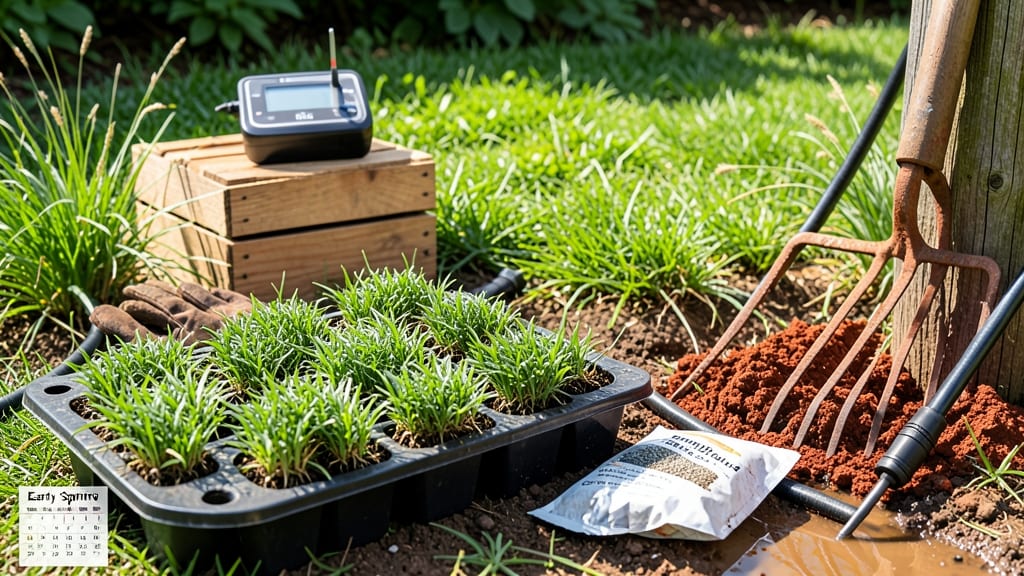
The best time to plant grass in Georgia isn’t just about picking a random weekend—it’s about beating the heat, avoiding frost, and giving your 🌱 new lawn the fighting chance it needs to thrive.
Georgia’s climate throws curveballs: scorching summers can fry fresh grass roots, while early frosts in the fall can stunt growth. That’s why timing matters more than you might think—plant too early, and you’ll battle weeds; too late, and your lawn might never fill in properly.
I’ve seen firsthand how a well-timed planting in late summer or early spring can mean the difference between a patchy yard and a lush, green carpet. Whether you’re seeding or laying sod, knowing when to act is the key to saving time, money, and frustration.
Let’s break down the perfect window for your Georgia lawn—so you can skip the guesswork and get it right the first time.
Georgia’s ideal grass planting window: soil temperature & frost-free dates
Timing your grass planting in Georgia is all about matching soil temperatures with the frost-free window. The Peach State spans USDA zones 7a-8b, creating distinct planting windows between North Georgia (cooler) and South Georgia (warmer).
For most regions, the best time to plant grass is when soil temps sit between 60°F and 75°F—ideal for root establishment.
In North Georgia (e.g., Atlanta), the last frost typically occurs around March 15, while South Georgia (e.g., Savannah) sees its last frost by February 15. The first frost arrives earlier in the north (November 15) than the south (December 1).
These dates frame your planting window, but soil temperature is the real game-changer.
Use a soil thermometer to check depth (2-4 inches). If temps are below 60°F, seeds may rot; if above 75°F, they’ll dry out before germinating. Fall planting (August-September) is often ideal because summer heat has passed, but spring planting (March-April) works too—just avoid late spring when heat spikes.
For warm-season grasses (like Bermuda or Zoysia), plant after the last frost but before July 1. Cool-season grasses (like tall fescue) thrive when planted in early fall or late winter to avoid summer stress.
Check your local Cooperative Extension Service for hyper-local frost data—it varies by elevation and microclimate.
Pro Tip: If you’re in a transition zone (like middle Georgia), split your planting: sow cool-season grass in fall and warm-season grass in late spring.
Georgia Grass Planting Timeline by Region
| Region | Last Frost | First Frost | Ideal Planting Window | Soil Temp Range |
|---|---|---|---|---|
| North Georgia (Atlanta) | March 15 | November 15 | March–April (spring) or August–September (fall) | 60–75°F |
| Middle Georgia (Macon) | March 1 | November 10 | February–April (spring) or July–August (fall) | 65–75°F |
| South Georgia (Savannah) | February 15 | December 1 | February–March (spring) or September–October (fall) | 60–80°F |
Note: Warm-season grasses (Bermuda, Zoysia) can handle slightly higher soil temps (up to 85°F) but avoid planting during peak summer heat.
Missed the ideal window? Don’t panic. Overseeding in late summer or early fall can still work for cool-season grasses, while warm-season grasses can tolerate late spring planting if you irrigate deeply. Just be prepared for slower establishment in extreme heat or cold.
For accurate local data, use tools like the Old Farmer’s Almanac or your county extension office. They’ll provide hyper-local frost dates and soil temperature trends tailored to your zip code.
Pro gardeners in Georgia swear by this—it’s the difference between a thin, patchy lawn and a lush, green carpet.
Once you’ve nailed the timing, the next step is choosing the right grass type for your climate zone and sun exposure. Cool-season grasses like tall fescue thrive in shade, while warm-season grasses like Bermuda love full sun and drought tolerance.
We’ll dive into those grass type recommendations in the next section—stay tuned!
🌱
Georgia’s ideal grass planting window: soil temperature & frost-free dates
Timing your grass planting in Georgia isn’t just about picking a season—it’s about soil temperatures and frost-free windows. The ideal window falls when soil temps hover between 60°F and 75°F, giving grass roots the perfect environment to establish.
In Georgia, this typically means late summer to early fall (August-September) or early spring (March-April), depending on your region.
Why? Because Georgia’s climate varies dramatically from the cooler North (Atlanta, Dahlonega) to the warmer South (Savannah, Brunswick). Planting too early in spring risks frost damage, while late summer/fall planting avoids the brutal heat that can bake new seeds before they sprout.
Let’s dive into the specifics so you can plant with confidence.
| Region | Best Planting Window | Soil Temp Range | Last Frost Date | First Frost Date |
|---|---|---|---|---|
| North Georgia (Atlanta, Dahlonega) | Late August - Early September | 60°F - 70°F | March 15 | November 1 |
| Central Georgia (Macon, Augusta) | Early August - Late September | 65°F - 75°F | March 1 | November 15 |
| South Georgia (Savannah, Brunswick) | Mid-August - October | 70°F - 80°F | February 28 | December 1 |
Spring planting in Georgia works best from mid-March to early April, right after the last frost. This gives your grass 6-8 weeks of warm soil before summer’s heat sets in.
For example, in Atlanta (USDA Zone 7b), the last frost typically hits around March 15, making late March the perfect time to start seeding.
If you’re in South Georgia (Zones 8a-8b), like Savannah or Brunswick, you’ve got a longer window—planting can even stretch into early October. The key is to avoid planting when soil temps drop below 60°F, as this slows germination and weakens root growth.
Use a soil thermometer (available at garden centers for under $10) to check temps before planting.
Pro tip: If you’re seeding in late summer or fall, aim to finish at least 6 weeks before the first frost. This gives your grass time to establish before winter dormancy.
For instance, in Augusta (Zone 8a), planting by September 15 ensures your lawn has time to root before the November frost.
Remember, Georgia’s weather is unpredictable—always check your local extension office or Almanac frost dates for the most accurate timeline. A little prep now means a thicker, greener lawn next season. 🌱