
Plants
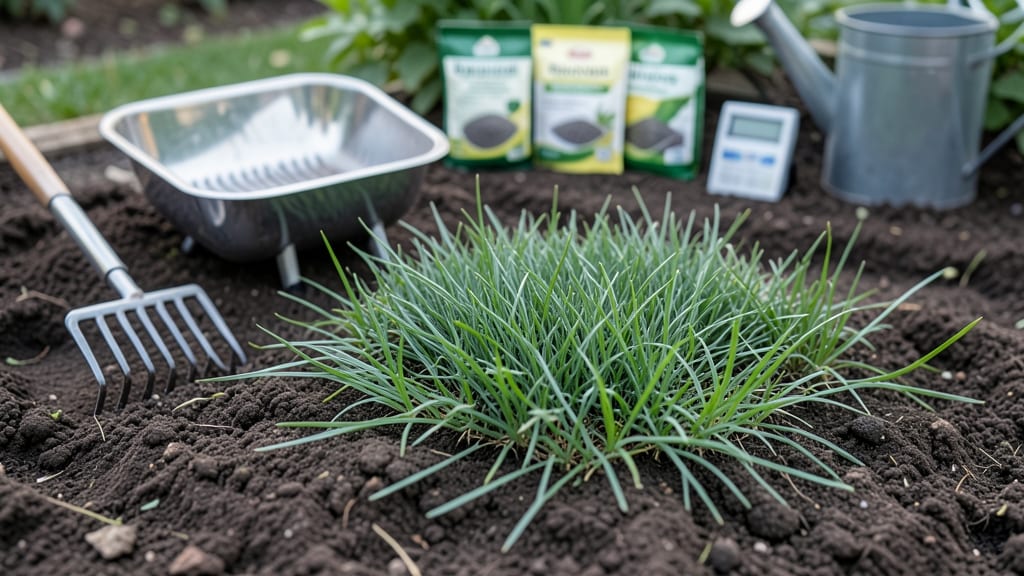
If you’ve ever planted grass seed in Connecticut only to watch it wither under frost or struggle against summer heat, you know timing is everything.
The best time to plant grass seed in Connecticut isn’t just a guess—it’s a science of soil temps, frost dates, and seasonal rhythms that separate a lush lawn from a patchy disappointment.
For Connecticut’s 6a zone, the sweet spot is early September to mid-October or April to early May, when soil temperatures hover between 60°F and 75°F—perfect for germination. Plant too early, and frost zaps your progress; too late, and weeds steal the show.
Let’s break down the exact windows and pro tips to give your grass the fighting chance it deserves.
Why does this matter? Because skipping prep work—like testing soil pH or clearing weeds—can turn even the perfect timing into wasted effort. I’ll walk you through Connecticut-specific steps to set your lawn up for success, from choosing the right seed mix to watering schedules that beat drought and heat stress.
Ready to transform your yard? Stick with me, and by the end, you’ll know exactly when to plant for a green, resilient lawn that stands up to Connecticut’s unpredictable weather. Let’s get started.
Connecticut’s ideal grass seed planting windows by hardiness zone (5-7)
Connecticut spans USDA Hardiness Zones 5-7, meaning your planting window depends on whether you’re in northern CT (Zone 5) or southern CT (Zone 7). The golden rule is to plant when soil temps are 60°F–75°F—too cold, and seeds won’t germinate; too hot, and they dry out.
For Connecticut, that’s early fall (September–October) or early spring (April–May). Let’s break it down by zone.
Fall planting is my top recommendation for Connecticut lawns. Cooler temps reduce water stress, and seeds establish roots before winter dormancy. Spring planting works too, but you’ll race against summer heat and weed competition.
Use the USDA Plant Hardiness Map to confirm your zone—just enter your ZIP code on their website.
Here’s the zone-specific timeline for Connecticut, including last frost dates and ideal soil temps for germination:
| Zone | Best Planting Window | Soil Temp (°F) | Last Frost Date | Key Consideration |
|---|---|---|---|---|
| Zone 5 (Northern CT) | Early Sept–Mid Oct | 60°F–70°F | April 15–May 1 | Avoid late spring (weed risk) |
| Zone 6 (Central CT) | Mid Sept–Early Nov | 60°F–75°F | April 1–May 15 | Fall window extends longer |
| Zone 7 (Southern CT) | Late Aug–Mid Nov | 65°F–75°F | March 20–April 30 | Longer growing season |
For Zone 5 (think Litchfield or Hartford), aim for early September to give seeds time to root before first frost (Oct 20).
In Zone 7 (e.g., New Haven or Stamford), you can push planting until mid-November—just monitor soil temps with a soil thermometer (available at garden centers).
Pro tip: Check the NOAA Frost Forecast for your town. Connecticut’s first frost can vary by 1–2 weeks depending on elevation. For example, Berkshire foothills frost earlier than Long Island Sound areas. Always plant 6 weeks before first frost to ensure establishment.
Spring planting in Connecticut has a narrow window: April–early May. Plant too late (after May 15), and you’ll battle summer heat stress and crabgrass. If you miss fall and spring, overseeding in November is your last chance—but success depends on mild temps and minimal frost.
One more critical tip: Cool-season grasses (like tall fescue or Kentucky bluegrass) dominate Connecticut lawns. These thrive in fall planting because they germinate quickly in cooler temps. Warm-season grasses (e.g., Bermuda) are rare in CT—they need hotter summers and dormant winters, which Connecticut’s climate doesn’t support well.
To confirm your soil temperature, bury a soil thermometer 2 inches deep (where seeds will be) and check in the morning shade. If it’s below 60°F, wait.
If it’s above 75°F, delay until temps drop. Connecticut’s September mornings often hit that sweet spot—perfect for seed germination.
Finally, avoid planting in drought conditions. Connecticut’s summer droughts (even in spring) can kill new seedlings. Before planting, water deeply for 3 days to prep the soil. Use a rain gauge to track moisture—aim for 1 inch of water per week during establishment.
How to prepare your Connecticut lawn for grass seed success (step-by-step)
Prepping your Connecticut lawn before planting grass seed isn’t just about clearing weeds—it’s about creating the perfect foundation for strong roots and fast germination. Start by testing your soil’s pH level (aim for 6.0–7.0) using a kit from your local garden center.
Connecticut’s clay-heavy soils often need compost or lime to improve drainage and fertility.
Next, remove all existing weeds and debris with a rake or dethatching tool. Don’t skip this step—weeds compete for nutrients and can smother your new grass. For stubborn weeds, apply a pre-emergent herbicide 2–3 weeks before planting, but avoid products containing corn gluten meal if you’re planting cool-season grasses.
After clearing weeds, loosen the top 2–3 inches of soil with a garden rake or tiller to create a fine seedbed. For bare spots or slopes, mix in sand or compost to improve texture.
Level the area with a lawn roller to ensure even seed distribution—bumpy soil leads to patchy germination.
Choose a Connecticut-approved grass seed mix based on your yard’s sun exposure. Tall fescue and perennial ryegrass blends thrive in full sun, while fine fescue works for shadier areas. Avoid warm-season grasses like Bermuda—Connecticut’s climate favors cool-season varieties that stay green year-round.
Finally, lightly rake the soil again to create a fine, crumbly texture that holds seeds in place. Spread a starter fertilizer (low nitrogen, high phosphorus) to jumpstart root growth, then water gently to settle the seed.
For the first 2 weeks, keep the soil consistently moist—not soggy—by watering early in the morning.
With these steps, your Connecticut lawn will be ready for fast, even germination and a thick, resilient turf that outlasts summer heat and winter frost. The key? Prep now, plant smart, and water wisely—your future lawn will thank you! 🌱