
Plants
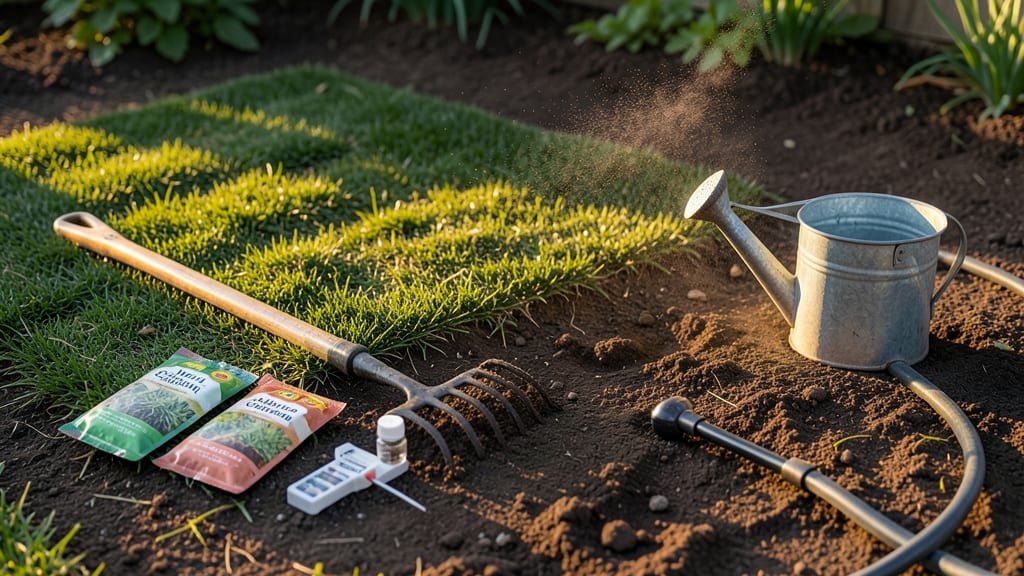
Timing your grass seed planting in Iowa isn't just about the calendar—it's about soil temperatures and avoiding those sneaky late frosts that can derail your perfect lawn. With USDA zones 4a-5b and unpredictable spring weather, getting it wrong means wasted seed and months of bare spots.
The key? Planting when soil hits 50-60°F and staying ahead of frost dates that shift from mid-April in the north to early May in southern Iowa.
Most gardeners assume spring is the only window, but fall actually offers cooler, more consistent conditions for 🌱 grass seed (turfgrass) to establish roots before winter.
I'll break down exactly why early fall (September-October) often outperforms spring planting—and how to adjust for Iowa's microclimates where a few miles can mean weeks of difference in frost risk.
You might think all grass seed is created equal, but Iowa's climate favors cool-season varieties like Kentucky bluegrass and tall fescue over warm-season types.
I'll show you how to match your seed choice to your planting window and local conditions, plus 5 pro tips to maximize germination even when Mother Nature throws curveballs.
Whether you're seeding a new lawn or repairing bare patches, getting this timing right saves you time, money, and frustration. Let's cut through the guesswork and build you a lawn that thrives—not just survives—in Iowa's challenging growing season.
Iowa’s ideal grass seed planting window: soil temperature & frost-free guidelines
Timing your grass seed planting in Iowa isn’t just about the calendar—it’s about soil temperature and frost-free windows. Most grass seed varieties need soil temps between 50°F and 65°F to germinate properly.
In Iowa’s USDA Zones 4a-5b, this typically means planting when daytime highs consistently reach the 60°F mark.
Iowa’s climate varies dramatically from north to south. Northern regions like Dubuque and Waterloo often see their last frost around May 10-15, while southern areas like Des Moines and Cedar Rapids can expect frost-free conditions by April 15-20.
Even within these averages, a late spring freeze can delay planting by weeks.
For the best results, aim to plant 4-6 weeks before your area’s first frost date in fall, or 2-4 weeks after the last frost in spring. This buffer period ensures your new grass has time to establish roots before extreme heat or cold sets in.
Here’s how to check your local frost dates and soil temperatures:
| Region | Last Frost Date | First Frost Date | Ideal Planting Window | Soil Temp Threshold |
|---|---|---|---|---|
| Northern Iowa (Zone 4a) | May 10-15 | October 10-15 | April 20 - May 10 (spring) / Sept 1-15 (fall) | 50-55°F |
| Central Iowa (Zone 4b-5a) | April 25 - May 5 | October 5-10 | April 10 - May 1 (spring) / Sept 15-30 (fall) | 55-60°F |
| Southern Iowa (Zone 5b) | April 15-20 | October 15-20 | March 20 - April 10 (spring) / Sept 1-15 (fall) | 60-65°F |
Use a soil thermometer (available at garden centers for ~$10) to verify temperatures before planting. Stick it 2-3 inches deep—this is where your grass seed’s roots will first establish.
If the soil is still below 50°F, wait at least a week before planting, even if the air feels warm.
Iowa’s cool-season grasses like Kentucky bluegrass and tall fescue dominate local lawns because they thrive in these temperature ranges. These varieties can even handle light frost after germination, giving you a slightly longer planting window in early fall than warm-season grasses would allow.
Pro tip: Check the Iowa State University Extension’s frost date maps (updated annually) for your specific county. These maps account for 30-year climate averages and local microclimates that can shift planting windows by 1-2 weeks.
For example, if you’re in Des Moines, aim for April 1-15 in spring or September 15-30 in fall. In Davenport, shift your window 1 week earlier to account for slightly warmer microclimates near the Mississippi River.
Remember: Early spring planting risks frost damage to young seedlings, while late summer planting stresses the grass as temperatures climb. The 4-6 week buffer before frost ensures your lawn has time to develop deep roots before winter sets in.
How to adjust planting timing for Iowa’s microclimates & grass seed types
Iowa’s North-South divide creates planting windows that can differ by 4-6 weeks—so choosing the right grass seed type and adjusting your schedule is key. Northern Iowa (USDA zones 4a-4b) has cooler soils longer, while southern counties (zone 5a-5b) warm up faster.
This means what’s perfect timing in Des Moines might be too late in Sioux City or too early in Ottumwa.
Cool-season grasses like Kentucky bluegrass and tall fescue dominate Iowa lawns because they thrive in 50-65°F soil—ideal for spring and fall planting. Warm-season varieties like buffalo grass (rare but drought-tolerant) prefer 70-80°F soil, making late spring the only viable window.
Most Iowa gardeners stick with cool-season types, which is why fall often outperforms spring planting.
Here’s how to match your seed choice to Iowa’s microclimates: If you’re in Northern Iowa, aim for late April to early May in spring or mid-September to early October in fall.
Southern Iowans can push spring planting to mid-May and fall to early November—but watch for early frosts. A 4-week buffer before/after average frost dates is your safety net.
Cool-Season vs. Warm-Season Grasses in Iowa
| Grass Type | Best Planting Window | Iowa Adaptability | Soil Temp Threshold |
|---|---|---|---|
| Kentucky Bluegrass | Early spring (April) or fall (Sept-Oct) | Excellent (state favorite) | 50-65°F |
| Tall Fescue | Late spring (May) or early fall (Aug-Sept) | Very good (drought-resistant) | 55-70°F |
| Buffalo Grass | Late spring (June) | Limited (dry areas only) | 70-80°F |
*Adjust 2-4 weeks based on your specific Iowa county’s frost dates.
For late spring planting (May-June), use a 4-week buffer before your area’s average first frost. This gives seeds time to germinate and develop 2-3 inch roots before winter. In early fall, plant 4-6 weeks before frost to allow establishment but avoid dormancy too soon.
My go-to strategy? Test soil temps with a soil thermometer—plant when it’s consistently 50°F+ for 5+ days.
Pro tip: If you’re overseeding an existing lawn, late summer (August) is your secret weapon. The old grass is still providing some shade, and soil temps are ideal for germination without the heat stress of July. Just be ready to water daily for 2 weeks to keep seeds moist.
Remember, Iowa’s unpredictable weather means even the best-laid plans can go sideways. Always have a backup plan—like frost cloth or a 4-week supply of seed—just in case. The right timing isn’t just about the calendar; it’s about reading your microclimate like a pro.