
Plants
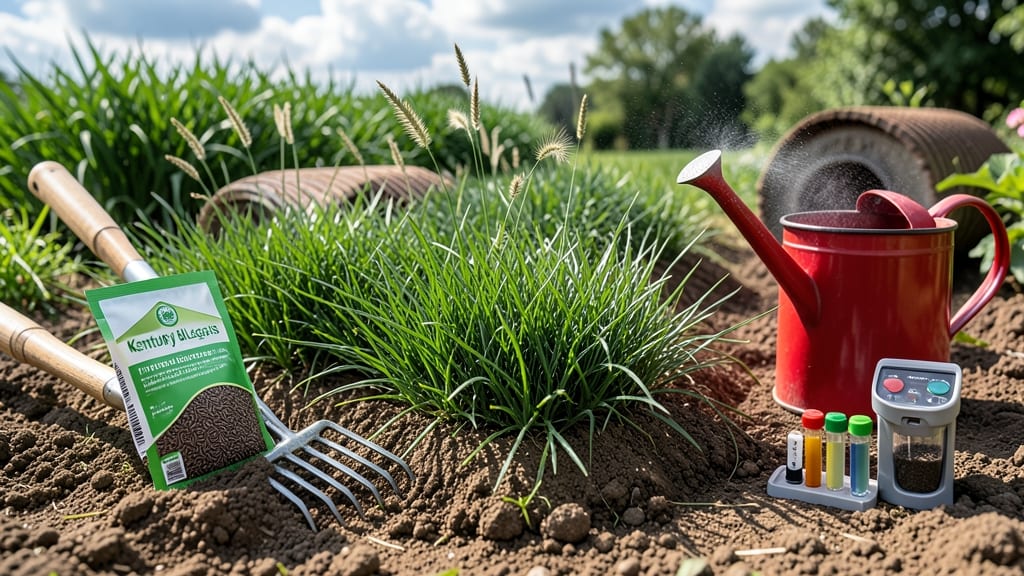
Timing your grass seed planting in Minnesota isn’t just about the calendar—it’s about beating the frost, warming the soil, and outsmarting Mother Nature’s mood swings.
The best window for planting grass seed here is late spring to early summer, but getting it wrong can turn your seed into a snack for birds or a sad, patchy lawn.
I’ve seen firsthand how 50°F soil and consistent rainfall can make the difference between a lush lawn and a failed project. Whether you’re in the 3-5 USDA zones or dealing with Minnesota’s unpredictable weather, knowing when to plant is the key to success.
Let’s break down the science behind the perfect planting window and how to prepare your soil for that 🌱 grass seed to thrive.
Many gardeners assume spring is the only time to plant, but fall offers a second chance—if you time it right. The trick is planting 4-6 weeks before frost, when soil stays warm enough for roots to establish.
I’ll walk you through the exact steps to avoid common mistakes, like planting too early or skipping soil prep, that can derail even the best-laid plans.
Ready to transform your lawn? You’ll learn how to read Minnesota’s climate cues, choose the right grass seed, and keep your new grass healthy through the growing season. Let’s get started—your perfect lawn is just a few weeks away.
Minnesota’s ideal grass seed planting window: late spring to early summer explained
Minnesota’s variable climate demands precision when planting grass seed. The optimal window spans from late May to mid-July, aligning with soil temperatures above 50°F and minimal frost risk. This period ensures peak germination and robust root development before summer heat sets in.
Timing is critical because early planting risks frost damage, while late planting exposes seeds to summer drought. Minnesota’s USDA Zones 3-5 further complicate timing, with northern regions needing later starts than southern areas. Let’s break down the science behind this window.
Soil temperature is your first clue—seeds need consistent warmth to sprout. Use a soil thermometer to confirm 50°F+ readings at 4-inch depth. In Minnesota, this typically occurs after May 15 in most areas, but northern counties may wait until early June.
Minnesota’s frost-free period averages 165 days, but this varies. Southern Minnesota (e.g., Rochester) can plant as early as late April, while northern areas (e.g., Duluth) should wait until June. Always check your local last frost date for accuracy.
🌱 Minnesota Grass Seed Planting Timeline
| Phase | Action | Ideal Timeframe |
|---|---|---|
| Pre-Emergence Prep | Soil testing, tilling, weed control | Late April - Early May |
| Peak Germination | Plant seeds, light mulch, water daily | Late May - Mid-July |
| Establishment | Reduce watering, mow at 3-4 inches | August - September |
The 3-phase window ensures seeds germinate before summer heat stress. Phase 1 (Pre-Emergence) focuses on soil prep, while Phase 2 (Germination) is your critical planting window. Phase 3 (Establishment) lets grass roots deepen before winter.
Minnesota’s northern vs. southern divide matters. Southern regions (e.g., Minneapolis-St. Paul) can plant 1-2 weeks earlier than northern areas (e.g., Brainerd). Always adjust for microclimates—shady spots or low-lying areas may need later planting.
Another key factor is grass seed type. Cool-season grasses (e.g., Kentucky bluegrass) thrive in Minnesota’s climate and can handle early fall planting, but warm-season grasses (e.g., Bermuda) need late spring starts. Choose seeds labeled for your region.
Watch for weather forecasts in late spring. A heatwave above 85°F can stress young seedlings, while unexpected rain may wash seeds away. Plan for consistent moisture during germination—this is non-negotiable in Minnesota’s variable summer weather.
If you miss the late spring window, consider early fall planting (late August). This gives seeds time to establish before winter. Just ensure 4-6 weeks remain frost-free. Use a frost calendar to guide your timing.
Remember: Patience pays off. Rushing leads to thin, patchy lawns, while perfect timing yields a lush, resilient turf. Follow these guidelines, and your Minnesota lawn will thrive—no gamble needed! 🌱
Minnesota’s ideal grass seed planting window: late spring to early summer explained
Minnesota’s variable climate makes timing critical for grass seed success. The optimal window spans from late May to mid-July, when soil temperatures consistently stay above 50°F. This period balances warmth for germination with avoiding summer drought stress—critical for Minnesota’s cool-season grasses like Kentucky bluegrass and fine fescue.
Northern Minnesota (USDA zones 3-4) should aim for late May to early June, while southern regions (zones 4-5) can extend planting until mid-July.
The key is planting after the last frost date (typically May 15 in most areas) but before summer heat peaks—usually by July 15.
| Phase | Action | Minnesota Timing |
|---|---|---|
| Pre-Emergence Prep | Soil prep, weed control | April 15 - May 15 |
| Peak Germination | Planting + consistent moisture | Late May - Mid-July |
| Establishment | Mowing, fertilization | June - August |
Soil temperature is your best indicator—use a soil thermometer to confirm 50°F+ at 4-inch depth.
In northern MN, cooler soils may delay planting until early June, while southern areas can start as early as late April if using warm-season grasses like tall fescue (though they’re less common here).
Fall planting (late August) is also viable but requires 4-6 weeks before first frost (typically October 1) for root establishment. This second window often yields denser lawns due to cooler temperatures reducing stress.
Watch for Minnesota’s microclimates: Urban areas like Minneapolis-St. Paul may have earlier frost-free dates than rural zones. Check local frost maps or use the USDA Plant Hardiness Zone Map to adjust your timing accordingly.
Pro tip: If planting in June or July, prioritize shade tolerance in seed mixes—fine fescue handles heat better than Kentucky bluegrass during Minnesota’s hot, dry spells.