
Plants
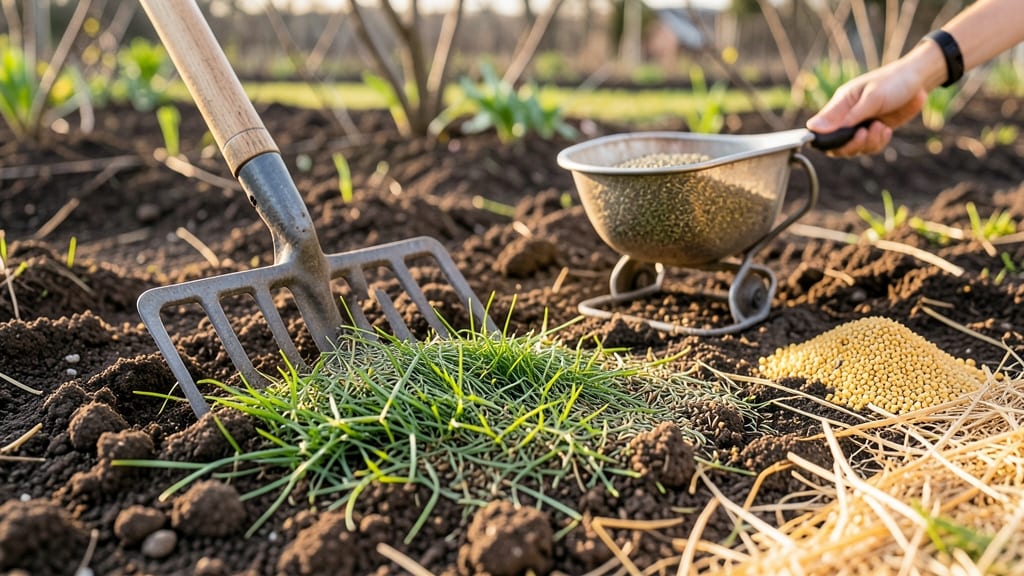
If you’ve ever stared at a patchy lawn wondering "when is the best time to plant grass seed in Maryland", you’re not alone—timing is everything for a lush, resilient yard.
Maryland’s 6b-7a climate means cool seasons are your secret weapon, but planting too early or late can leave your 🌱 grass seed struggling against heat or frost.
The ideal window stretches from early spring (March-April) to early fall (September-October), but here’s the game-changer: September-October is peak time. Why? Cooler temperatures help seeds germinate faster, while warm soil fuels root growth before winter sets in. Skip summer planting—those scorching days turn seed into crunchy snacks.
Spring planting works too, but it’s trickier. You’ll need to time it 4–6 weeks before your last frost date (usually mid-April in Maryland) to avoid early freezes. And don’t overlook soil prep—loosening the top 4–6 inches and watering deeply before planting makes all the difference.
Ready to transform your lawn? Let’s break down the exact steps, from soil prep to watering schedules, so your grass seed thrives—no guesswork, just green success.
Maryland’s ideal grass seed planting window: cool season timing explained
Maryland’s USDA Zones 6b-7a create a unique challenge for grass seed planting—too early, and seedlings struggle with heat; too late, and frost stunts growth. The sweet spot is September through October, when cool temperatures and consistent rainfall give seeds the perfect environment to establish deep roots before winter dormancy.
This window aligns with Maryland’s first frost dates (typically mid-November in most regions), giving seeds 4-6 weeks of ideal growing conditions. Cool-season grasses like Kentucky bluegrass and tall fescue thrive in these temperatures, while warm-season grasses (like Bermuda) should wait until late spring.
Planting in early fall also avoids the summer heat stress that can dry out seeds before they germinate. The soil stays warm enough for germination but cools as roots develop, reducing drought risk—a critical factor in Maryland’s variable rainfall patterns.
🌱 Maryland Grass Seed Planting Timeline
| Month | Soil Temp (°F) | Best Planting Window | Key Consideration |
|---|---|---|---|
| March | 50-60°F | Early spring (after last frost) | Risk of late frosts; use frost cloth |
| September | 65-75°F | Prime window (4-6 weeks before frost) | Ideal germination + root growth |
| October | 55-65°F | Last chance before frost | Soil too cool for germination |
| November | 45-55°F | Avoid (frost risk) | Seeds won’t germinate in cold soil |
For best results, aim to plant 4-6 weeks before Maryland’s first frost. This timing ensures seeds germinate, establish roots, and harden off before winter. Use a soil thermometer to confirm temperatures are between 60-75°F—the ideal range for cool-season grass germination.
Maryland’s Coastal Plain (eastern regions) often experiences frost 1-2 weeks earlier than the Piedmont or Appalachian foothills. Adjust your planting date accordingly—Coastal areas should plant by mid-September, while western regions can extend to early October.
One common mistake is overwatering after planting. While consistent moisture is key, Maryland’s clay-heavy soils can suffocate seeds if oversaturated. Water lightly but frequently (about ¼ inch per day) until germination, then increase to 1 inch per week once established.
If you miss the fall window, late winter (February) is your second-best option. However, spring planting requires extra soil prep—tiling, compost amendment, and pre-emergent herbicide to prevent weeds from outcompeting young grass.
Pro tip: Test your soil’s pH level before planting. Maryland’s soils often lean acidic (pH 5.5-6.5), but cool-season grasses prefer neutral to slightly alkaline (6.0-7.0). Amend with lime if needed, and apply a starter fertilizer with high phosphorus to boost root growth.
Remember, seed variety matters. For Maryland lawns, tall fescue and Kentucky bluegrass blends handle our climate best—drought-resistant fine fescue mixes work well in shadier areas. Always check the seed packet for USDA Zone recommendations.
How Maryland’s microclimates affect planting dates (and what to do about it)
Maryland’s diverse geography—from the Coastal Plain to the Piedmont and Appalachian foothills—creates microclimates that shift planting windows by weeks. In Coastal Plain (USDA Zone 7b), soil warms earlier, while Piedmont (Zone 7a) holds cooler temps longer.
These differences mean a 4–6 week variance in ideal planting dates across the state. Understanding your region’s frost dates and soil temperature trends is key to avoiding weak germination or summer drought stress.
The Coastal Plain (e.g., Baltimore, Annapolis) typically sees its last frost by late March, allowing early spring planting as soon as February–March. Meanwhile, Piedmont areas (e.g., Frederick, Hagerstown) often wait until April due to slower soil warming.
For fall planting, Coastal Plain can extend into early November, while Piedmont should finish by mid-October to avoid frost damage. These regional shifts explain why neighbors might swear by different planting times—it’s not just luck!
| Region | Last Frost Date | First Frost Date | Ideal Spring Planting | Ideal Fall Planting |
|---|---|---|---|---|
| Coastal Plain | Late March | Early November | February–March | September–early November |
| Piedmont | Mid-April | Mid-October | April | September–mid-October |
| Appalachian Foothills | Early May | Late October | May | August–September |
Soil temperature is the true decider for planting success. Use a soil thermometer to confirm temps: 50–60°F for spring and 60–70°F for fall. In Coastal Plain, soil hits these marks 2–3 weeks earlier than in Piedmont.
If your area’s soil stays below 50°F past April, wait—cool temps stunt root growth. Conversely, planting too late in fall (after September 15 in Piedmont) risks seedling stress before winter. Adjust by 1–2 weeks based on your local frost data from the Maryland Department of Agriculture.
Humidity also plays a role. Coastal areas benefit from higher moisture, reducing the need for extra watering, while Piedmont’s drier air demands daily watering for 2–3 weeks post-planting. If you’re in a drought-prone zone, consider shade cloth during summer to protect seedlings.
For Appalachian foothills, cooler nights slow evaporation, making fall planting slightly more forgiving than in warmer regions.
To adapt, test your soil in early spring and fall. Amend with compost to improve water retention in sandy Coastal Plain soils or organic matter to help clay-heavy Piedmont dirt drain better.
Mulch with straw to retain moisture and regulate soil temperature—critical in Maryland’s swing between freezing nights and 90°F days. These tweaks turn regional challenges into opportunities for stronger, more resilient grass.
For real-time adjustments, bookmark the Maryland Climate Toolkit to track weekly soil temps and frost forecasts. Armed with this data, you’ll plant at the perfect moment—not a guess—ensuring your lawn thrives year-round. 🌱🌡️