
Plants
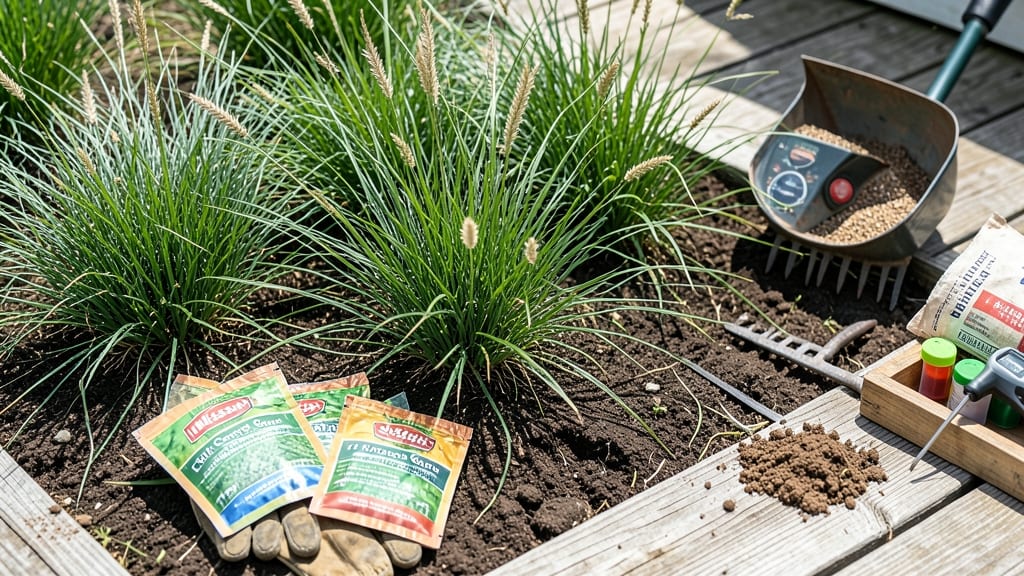
If you’ve ever stared at a patchy lawn wondering when should you plant grass seed in Missouri, timing might be the culprit. Missouri’s 5b-6b climate creates two distinct windows for planting 🌱 Grass (Turfgrass)—and getting it wrong means wasted money and months of frustration.
Most gardeners in Missouri know spring and fall are the prime months, but the real secret lies in soil temperature and frost dates. Plant too early, and frost will kill your seedlings; too late, and summer heat stresses young roots.
I’ll break down the exact 4-week windows that work for your specific zone—plus how to prep your soil for success.
Whether you’re seeding a new yard or patching bare spots, this guide cuts through the guesswork. You’ll learn how to check soil readiness, pick the right seed type, and avoid common mistakes that turn hopeful gardeners into frustrated homeowners.
Let’s get your lawn growing strong—starting with the perfect planting schedule for Missouri’s unpredictable weather.
Missouri’s grass planting zones: southern vs. northern timing differences
Missouri spans USDA Hardiness Zones 5b to 7b, creating distinct planting windows for northern and southern regions. The northern half (like Kansas City) falls in Zone 6a/6b, while southern areas (such as Springfield) are in Zone 7a/7b.
These zones dictate when soil warms enough for seed germination—typically 50–65°F—and when frost risks subside.
For northern Missouri, early spring (March–April) and early fall (August–September) are ideal. Southern Missouri can extend planting slightly later into May or October due to milder winters. However, planting too late in spring risks summer heat stress, while fall planting must finish 6 weeks before frost.
To find your exact zone, use the USDA Plant Hardiness Map. Enter your ZIP code, and the map will show your precise zone—this ensures you align with local frost dates and soil temperature trends.
For example, St. Louis (Zone 6b) has a last frost around April 15, while Joplin (Zone 7a) can plant up to May 1.
🌱
| Zone | Spring Planting Window | Fall Planting Window | Soil Temp Threshold | Key Risks |
|---|---|---|---|---|
| Northern MO (Zone 6a/6b) | March 15–April 15 | August 15–September 15 | 50–60°F | Late frost, summer drought |
| Southern MO (Zone 7a/7b) | March 1–May 1 | August 1–October 1 | 55–65°F | Heat stress, early frost |
In northern Missouri, cool-season grasses like tall fescue and Kentucky bluegrass thrive when planted in early spring or early fall. These grasses establish roots before winter, giving them a head start in spring.
Southern Missouri’s warmer climate also supports warm-season grasses like Bermuda grass, but these should be planted in late spring (May) when soil temps exceed 65°F.
If you’re unsure about your zone, check the Missouri Department of Agriculture website for localized frost data. For example, Columbia (Zone 6b) has a higher frost risk than Poplar Bluff (Zone 7a), so adjust your timeline accordingly. Always aim to plant when soil is workable—not muddy or bone-dry.
Another critical factor is rainfall timing. Northern Missouri’s spring often brings consistent moisture, while southern areas may experience summer droughts. Plan to water daily for the first 2 weeks after planting, regardless of natural rainfall.
Use a soil thermometer to confirm temps—55°F is the minimum for germination in most grass varieties.
For cool-season grasses, prioritize fall planting in both zones. The 6-week window before frost allows roots to establish without competing with summer heat. In contrast, warm-season grasses in southern Missouri should be planted in late spring to avoid winter dieback.
🌿
Pro tip: If you’re planting in late spring, choose shade-tolerant varieties like fine fescue to reduce stress from summer heat. For fall planting, apply a starter fertilizer with phosphorus to boost root growth before winter.
5 Critical factors that determine the best planting month in Missouri
Missouri’s grass seed germination success hinges on more than just picking a month—five key factors dictate the perfect window. First, soil temperature must stay between 50–65°F for seeds to sprout efficiently.
In Missouri, this typically aligns with spring (March-April) or early fall (August-September), but colder northern zones may need adjustments.
Next, consider rainfall patterns. Missouri’s spring showers provide natural moisture, while fall planting benefits from cooler temps and steady rainfall. Check your local 30-day forecast for at least 1 inch of rain weekly—supplement with irrigation if needed.
Don’t overlook humidity levels. Missouri’s summer heat and low humidity can dry out seeds, making spring or fall ideal. Use a soil moisture meter to ensure consistent dampness—seeds need constant moisture for the first 2–3 weeks.
Your grass seed type matters too. Cool-season grasses (like Kentucky bluegrass) thrive in spring or fall, while warm-season grasses (like Bermuda) prefer late spring. Always check the seed packet for optimal planting windows.
Finally, avoid extreme heat or frost. Planting in July or August risks heat stress, while late fall (October) may expose seeds to early frosts. Aim for 4–6 weeks before the first frost—use the USDA Frost Date Map to pinpoint your area’s cutoff.
🌱
🌡️ 5 Factors for Perfect Timing
- 🌱 Soil Temp: 50–65°F (use a soil thermometer)
- 🌧️ Rainfall: 1 inch/week (supplement if dry)
- 💧 Humidity: 40–60% (avoid summer drought)
- 🌾 Seed Type: Cool-season (spring/fall) or warm-season (late spring)
- ❄️ Frost Risk: 4–6 weeks before first frost (check USDA map)
⚠️ Pro Tip: Test soil moisture daily—seeds need constant dampness for germination.
Missouri’s northern zones (6a/6b) should plant 2–3 weeks earlier than the south (7a/7b) due to cooler soils. For example, St. Louis (Zone 7a) can seed in mid-April, while Kansas City (Zone 6a) may wait until late April.
Use these factors to fine-tune your timing. For instance, if your soil is too cold in March, delay until April 15—patience now means a thicker, greener lawn later. 🌿