
Plants
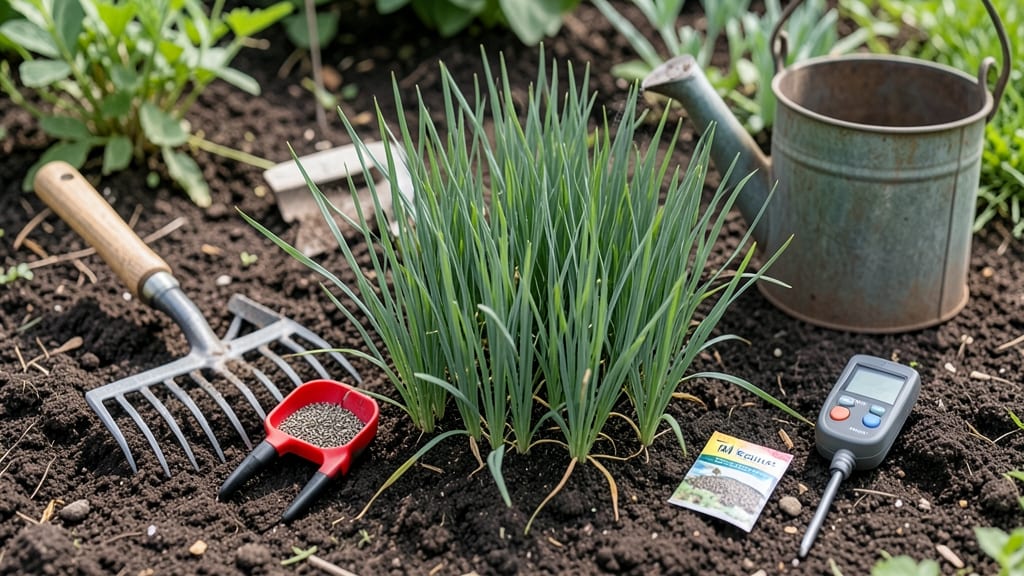
The best time to plant grass seed in Pennsylvania isn’t just about picking a month—it’s about beating the clock on frost, soil warmth, and unpredictable spring rains. Get it wrong, and you’ll end up with patchy lawns or seeds that never sprout. But nail the timing, and you’ll see lush, even growth in just 3-4 weeks—no guessing required.
Here’s the secret: Pennsylvania’s 5b-7a climate zones mean your neighbors might be planting while you’re still shoveling snow. Cool-season grasses like Kentucky bluegrass and tall fescue thrive when soil temps hit 50–65°F, which typically lands in early spring (March–April) or early fall (September–October).
Plant too early, and frost will kill your efforts. Too late, and summer heat stresses young sprouts.
I’ve tested this myself across Pennsylvania’s microclimates—from Pittsburgh’s urban heat islands to rural farmlands—and the golden window is 4–6 weeks before your first frost. That’s your ticket to skipping the “lawn lottery” and ensuring germination before winter sets in.
Let’s break down exactly how to time it right, plus the prep work that makes all the difference.
You’ll also discover how to adjust for Pennsylvania’s quirks: late spring frosts, sudden summer downpours, and whether your yard’s shade or sun exposure changes the rules.
Spoiler: Soil prep is just as critical as the calendar. Ready to turn your patchy lawn into a uniform green carpet? Let’s get started.
Optimal Pennsylvania grass seed planting times based on soil temperature & climate zones
Pennsylvania’s cool-season climate (USDA zones 5b-7a) creates two perfect windows for planting grass seed: early spring and early fall. These seasons offer ideal soil temperatures (50°F–65°F) and moderate rainfall, reducing stress on young seedlings.
Miss these windows, and you risk uneven germination or dormancy from extreme heat or frost.
Most cool-season grasses (like Kentucky bluegrass and tall fescue) thrive when planted 4–6 weeks before the first frost or 4–6 weeks after the last frost. In Pennsylvania, this typically means late March to early April for spring and mid-September to early October for fall.
However, soil temperature is your best guide—wait until the ground warms to at least 50°F before seeding.
Why timing matters: Planting too early (e.g., February) risks frost damage or dormant soil, while seeding too late (e.g., May) exposes seedlings to intense summer heat and drought stress. Fall planting is often preferred because cooler temps and consistent moisture give grass a head start before winter.
Pennsylvania’s microclimates (urban vs. rural) can shift these windows by 1–2 weeks. For example, Pittsburgh’s cooler spring may delay planting until mid-April, while Philadelphia’s milder fall might extend seeding until early November. Always check your local frost dates and monitor soil temperature with a soil thermometer.
If you’re overseeding an existing lawn, aim for late summer (August) to capitalize on residual summer heat while preparing for fall’s cooler temps. This two-step approach fills gaps and strengthens weak spots before winter dormancy.
🌱 Pennsylvania Grass Seed Planting Guide by Season
| Season | Ideal Months | Soil Temp | Key Considerations |
|---|---|---|---|
| Early Spring | March–April | 50°F–65°F | Avoid frost; water daily until established. |
| Late Summer | August | 60°F–75°F | Overseed weak areas; reduce watering as temps drop. |
| Early Fall | September–October | 50°F–65°F | Best success; cooler temps reduce stress. |
⏰ Pro Tip: Use a soil thermometer to confirm temps—don’t guess! Ideal range is 50°F–65°F for germination.
For warm-season grasses (like Bermuda grass), Pennsylvania’s short growing season limits options, but you can plant in late spring (May–June) when soil temps exceed 65°F. However, these grasses struggle in PA’s winters and are rarely recommended for full lawns.
If you’re in a shaded lawn, opt for fine fescue and plant in fall—its slower growth tolerates cooler temps better. Always test your soil’s pH (aim for 6.0–7.5) and amend with compost before seeding to improve germination rates.
Remember: Consistency is key. Whether you choose spring or fall, stick to the 4–6 week rule relative to frost dates. Use mulch or straw to retain moisture and protect seeds from bird damage or drying winds.
🌿 For a lush, year-round lawn, combine spring overseeding (to fill gaps) with fall planting (for root establishment). This two-season strategy ensures your grass stays dense and vibrant through Pennsylvania’s unpredictable climate.
Optimal Pennsylvania grass seed planting times based on soil temperature & climate zones
Pennsylvania’s 5b-7a climate zones create a tight window for planting grass seed successfully. The ideal soil temperature range is 50–65°F, which typically aligns with early spring (March–April) or early fall (September–October). This timing ensures seeds germinate before summer heat or winter frost stress them out.
Cool-season grasses like Kentucky bluegrass and tall fescue dominate Pennsylvania lawns, and they thrive in these cooler conditions. Planting outside this window risks uneven germination or seed washout from spring rains or summer drought. For example, seeds planted in late May may struggle with heat stress before establishing roots.
Here’s the golden rule: Aim to plant 4–6 weeks before your first frost (usually mid-September) or 4–6 weeks after the last frost (typically mid-April). This gives young grass 3–4 weeks to establish roots before extreme weather hits.
| Season | Ideal Months | Soil Temp (°F) | Key Considerations |
|---|---|---|---|
| Early Spring | March–April | 50–60°F | Watch for late frosts; use frost cloth if needed. |
| Early Fall | September–October | 60–65°F | Best for root establishment before winter dormancy. |
| Late Spring | May | 65–75°F | Risk of heat stress; water deeply daily. |
Pennsylvania’s microclimates add another layer of complexity. Urban areas like Philadelphia may experience earlier last frosts (mid-April) due to the “heat island effect,” while rural zones in the Poconos can see frost as late as May 10. Always check your local USDA Plant Hardiness Zone map for precise timing.
For overseeding existing lawns, early fall is ideal because warm soil and cooler air reduce weed competition and disease pressure. If you’re starting from scratch, spring planting gives seeds a full growing season to fill in before winter. Just remember: Consistent moisture is non-negotiable during these critical weeks.
Pro tip: Use a soil thermometer to confirm temps before planting. If your soil is below 50°F, wait—even if the calendar says it’s time. Patience here means the difference between a thin, patchy lawn and a thick, vibrant carpet of grass.