
Plants
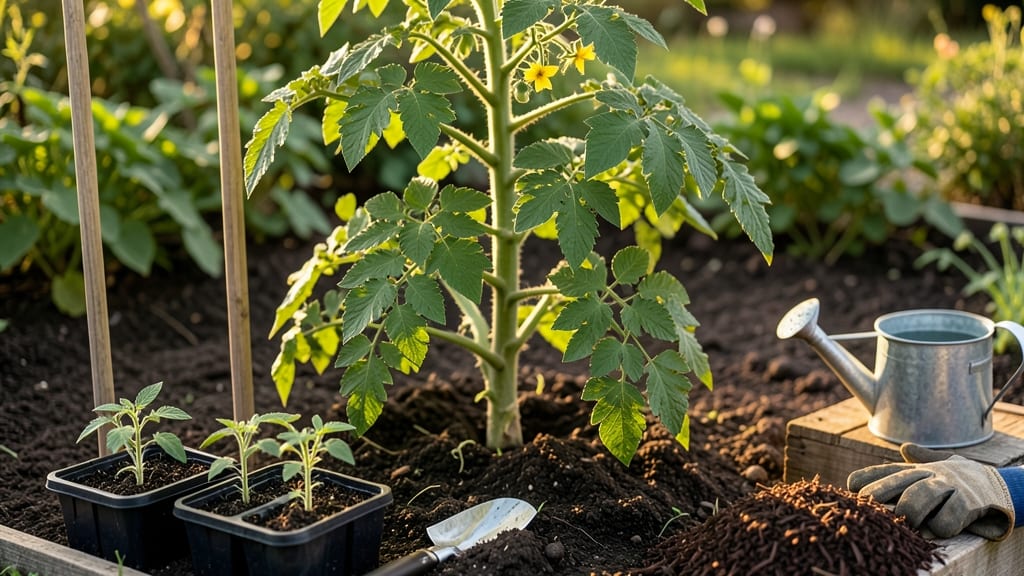
The best time to plant tomatoes in California isn’t just about the calendar—it’s about avoiding the gardener’s worst nightmare: bolting plants that produce bitter, seed-filled fruit before they even ripen.
California’s diverse climate zones mean your coastal neighbors might be harvesting 🍅 year-round while inland growers wait for spring’s last frost. But with the right timing, you can skip the guesswork and grow juicy, vine-ripened tomatoes all season.
I’ll break down the exact planting windows for your region—whether you’re in frost-free coastal areas or inland valleys—plus how to adjust for heat, soil temps, and even organic growing methods.
Ready to plant with confidence? Let’s dive into the zone-specific deadlines that’ll keep your tomatoes thriving from seedling to harvest.
California planting zones: exact dates to avoid tomato bolting by region
California’s diverse climate means one planting window doesn’t fit all. From coastal fog belts to desert heat, each zone demands precise timing to prevent early bolting—when your tomato plants flower too soon, producing bitter fruit.
Let’s break down the optimal planting dates for California’s 11 key regions, so you can grow tomatoes that ripen perfectly on the vine.
The golden rule: Plant when soil temperatures hit 60°F (15°C) and nighttime temps stay above 50°F (10°C). Coastal areas like San Francisco and Santa Barbara can plant year-round, while inland valleys like Sacramento and Fresno must wait for frost-free conditions.
Desert zones like Palm Springs and Yuma thrive with late-winter starts to escape summer’s brutal heat.
Pro Tip: Use a soil thermometer to confirm readiness. Cold soil delays germination and weakens seedlings, making them vulnerable to bolting when temperatures finally rise. For container-grown tomatoes, soil warms faster—plant 2-4 weeks earlier than in-ground varieties.
Here’s your zone-by-zone planting schedule, including last-frost dates and ideal transplant windows to maximize yield and flavor:
For coastal gardeners, like those in San Diego or Monterey, you can push the envelope with year-round planting. Start seeds indoors in January for an early spring harvest, then repeat in August for a fall crop.
Just watch for humidity-related diseases like early blight—space plants 18–24 inches apart and use drip irrigation to keep foliage dry.
Inland areas like the Central Valley and San Joaquin Valley face higher heat stress risks. Opt for heat-tolerant hybrids like 'Heatmaster' or 'Solar Fire', which thrive in 90°F+ temperatures.
If you plant too early, use shade cloth (30–50%) to protect seedlings from sudden heat spikes, which can trigger bolting within 2–3 weeks.
Desert gardeners in Palm Springs or Riverside must time planting to avoid summer’s extreme heat. Start seeds indoors in late January and transplant outdoors by mid-March, before temperatures exceed 95°F (35°C). Use mulch to insulate roots and black plastic mulch to
Signs your tomatoes are bolting too early (and how to fix it)
If your tomato plants are suddenly shooting up tall stems with yellow flower buds before producing leaves, they’re bolting too early. This common issue in California’s unpredictable climate can ruin your harvest, leaving you with bitter, underripe tomatoes or none at all.
The good news? You can often reverse bolting or prevent it entirely with the right steps.
Early bolting happens when plants sense stress from heat, drought, or long daylight hours. In California, this often occurs in Southern desert zones (Zone 9b-10a) where daytime temperatures spike early, or in coastal foggy areas (Zone 10) where cool nights and warm days confuse the plant’s growth cycle.
Even inland valleys (Zone 8-9) can trigger premature flowering if seedlings are planted too soon after the last frost.
⚠️ Early Bolting Warning Signs
Don’t wait until flowers appear—act fast if you spot these 3 red flags:
- 🌱 Stems elongate rapidly (3+ inches per week) with tiny leaves.
- 🌡️ Temperature spikes above 85°F during the day or nighttime temps above 70°F.
- 🌅 Daylight exceeds 14 hours (common in California’s summer).
Action: Shade cloth + mulch immediately to lower stress.
To fix bolting, start by reducing stress factors. Move potted plants to partial shade (use 30-50% shade cloth) and water deeply every morning to keep soil consistently moist. Avoid overhead watering, which can spread fungal diseases like early blight, a common issue in California’s humid coastal areas.
For severe bolting, prune the top flower clusters (the ones closest to the stem) to redirect energy to leaf and root growth. This won’t stop bolting entirely but can delay fruiting until the plant is stronger.
Pair this with a balanced fertilizer (10-10-10) to encourage foliage growth. In desert zones, where heat is the primary trigger, consider heat-tolerant varieties like ‘Solar Fire’ or ‘Heatmaster’ for future plantings.
Prevention is easier than recovery. If you’re planting in Southern California (Zones 9b-10a), opt for late winter plantings (February-March) to avoid early heat. In coastal areas (Zone 10), where fog can delay warming, start seeds indoors in January and transplant after March 15 to align with soil warming.
For inland valleys (Zone 8-9), wait until after the last frost (typically late March) and use black plastic mulch to warm the soil faster.
🌱 Pro Tip: Monitor your plants’ growth rate—if they’re growing more than 1 inch per day, they’re likely stressed. Adjust your approach by adding mulch, increasing shade, or delaying fertilization until the plant stabilizes.
With these strategies, you’ll avoid the heartbreak of bolting before harvest and enjoy juicy, vine-ripened tomatoes all season long.