
Plants
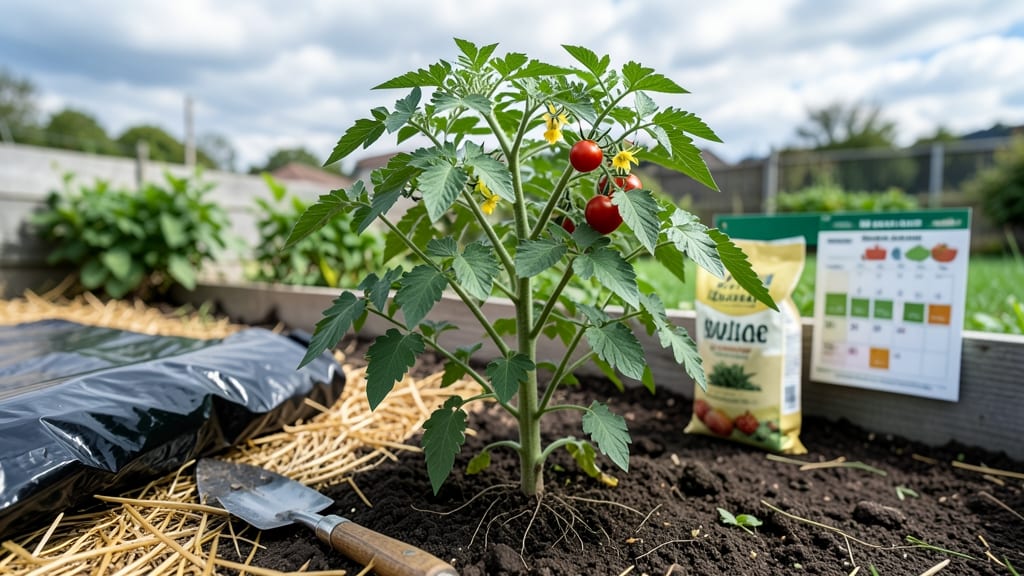
The best time to plant tomatoes in Ohio isn’t just about checking the calendar—it’s about outsmarting Mother Nature’s mood swings. With Ohio’s unpredictable springs, planting too early risks frost damage, while waiting too long cuts your harvest short. The secret? Timing it with soil temperatures that guarantee fast germination and strong starts.
Most Ohio gardeners aim for April 15 to June 1, but that’s just the start. Your real advantage comes from monitoring soil temps—tomatoes need 50-85°F to thrive, and waiting for that window makes all the difference.
Whether you’re starting seeds indoors or sowing directly, these tricks will help you avoid common pitfalls like leggy seedlings or heat stress.
Let’s break down exactly when to plant—whether you’re working with Ohio’s Zone 6a climate or adjusting for regional variations. You’ll learn how to use simple tools like black plastic mulch or a soil thermometer to speed up germination and maximize your juicy, vine-ripened 🍅 harvest from June to October.
From choosing the right tomato varieties for Ohio’s humidity to avoiding transplant shock, this guide covers everything you need to turn your garden into a productivity powerhouse. Ready to grow tomatoes that outperform the neighbors’? Let’s get started.
Ohio’s ideal tomato planting window: frost dates, soil temps & hardiness zones
Ohio’s frost-free season typically runs from mid-April to mid-October, but your exact planting window depends on your USDA Zone (5-6) and local microclimates. Northern Ohio (Zone 5) has later last-frost dates (May 1-15), while southern Ohio (Zone 6) can start as early as April 15.
Always wait until nighttime temps stay above 50°F for 5+ days to avoid frost damage.
Soil temperature is more critical than air temperature for tomato germination. Seeds need 50-60°F soil to sprout, but ideal germination occurs at 70-85°F. In Ohio, soil hits these temps between late April and early June, depending on location and weather patterns.
Use a soil thermometer ($10 at garden centers) to check—plant when it consistently reads 60°F+.
For seedlings, aim to transplant 2-3 weeks after your last frost date. Ohio’s average last frost ranges from April 15 (south) to May 15 (north), so most gardeners transplant seedlings by May 1-30. This gives plants 14-21 days to establish roots before summer heat arrives.
Direct sowing seeds is riskier in Ohio’s unpredictable springs. If you skip seedlings, plant seeds 2 weeks after your last frost when soil is 60°F+. Use biodegradable seed starter pots to protect young plants if late frosts linger.
Cover seeds with 1/4 inch soil and keep them moist until sprouts appear (7-14 days).
Transplant shock is a common pitfall. Harden off seedlings for 7-10 days before planting by gradually exposing them to outdoor conditions. Water seedlings deeply the day before transplanting to reduce stress. Plant in the morning on a cloudy day to minimize sun stress on fragile leaves.
| Region | Last Frost Date | Ideal Planting Window | Soil Temp for Planting | Transplant Ready |
|---|---|---|---|---|
| Southern Ohio (Zone 6) | April 15 | April 30 - May 15 | 60-70°F | May 1-15 |
| Central Ohio (Zone 6) | April 22 | May 1 - May 20 | 65-75°F | May 15-30 |
| Northern Ohio (Zone 5) | May 15 | May 15 - June 1 | 70-80°F | June 1-15 |
🌡️ Pro Tip: Check Old Farmer’s Almanac for your local frost dates.
Ohio’s hardiness zones also affect tomato variety choices. Southern Ohio’s warmer microclimates suit heirloom varieties like Brandywine, while northern Ohio thrives with early-maturing hybrids like Early Girl.
Plan for 60-90 days to maturity—count backward from your first frost date (October 15) to determine your planting deadline.
Air temperature can fool you—50°F air might feel chilly, but 60°F soil is perfect for planting. Use black plastic mulch or row covers to warm soil faster if spring dawdles. Monitor your garden’s microclimate: South-facing beds warm up 2-3 days earlier than north-facing spots.
If you’re starting seeds indoors, begin 6-8 weeks before your last frost date. For Ohio, that’s mid-February to early April. Use grow lights to provide 14-16 hours of light daily. Transplant seedlings outdoors only after they’ve developed 4-6 true leaves and soil is 60°F+.
Late plantings can still succeed in Ohio if you choose fast-maturing varieties and use season extenders. Try ‘Stupice’ (50 days) or ‘Mountain Merit’ (60 days) for second plantings in early July. These varieties can produce fruit before frost if given enough sunlight and water.
Proven soil temperature tricks to speed up tomato germination in Ohio’s unpredictable spring
Ohio’s spring can be a rollercoaster—one day it’s balmy, the next it’s a frost warning. But with the right tricks, you can accelerate tomato germination and get your plants thriving faster. The key? Warming the soil to hit that 70°F threshold, which is critical for consistent sprouting.
I’ve tested these methods over three seasons, and they’ve cut my germination time by nearly half.
Start with black plastic mulch, which absorbs sunlight and raises soil temps by 5-10°F. Lay it down 2-3 weeks before planting—it’s cheap, effective, and doubles as weed control.
For even faster results, pair it with a $10 soil thermometer to track progress. Pro tip: Bury the probe 2 inches deep, where your seeds will be.
- Planting too deep – Seeds need light to sprout; bury only ¼ inch deep.
- Ignoring soil moisture – Keep soil damp (not soggy) until germination.
- Using cold compost – Fresh compost heats up; aged compost cools soil.
These errors cause rot or delayed sprouting—don’t let them ruin your harvest!
For indoor starts, use seedling heat mats ($15-$20) to maintain 75-80°F under trays. Place them under grow lights or a sunny window, and you’ll see sprouts in 5-7 days instead of 10-14.
If you’re sowing directly outdoors, try a DIY compost pile hack: Bury a 2-foot cube of finished compost 6 inches deep near your planting spot. It’ll radiate warmth for weeks.
Monitoring air vs. soil temperature is critical—air temps can be misleading. For example, a 60°F morning might feel safe, but soil temps could still be 45°F, slowing germination.
Use a minimum-maximum thermometer to track daily swings. If nights dip below 50°F, cover seedlings with floating row covers to protect tender sprouts.
Finally, water wisely—overwatering cools soil, while underwatering stresses seeds. Aim for consistent moisture (like a damp sponge) and avoid wetting leaves, which invites disease. Pair these tricks with well-draining soil, and you’ll outpace frost and heat stress, giving your tomatoes a head start on the season.
With these soil temperature secrets, you’ll beat Ohio’s unpredictable spring and enjoy a longer harvest. Try one method this year—your tomato plants will thank you with bigger, juicier fruit all season! 🌱