
Plants
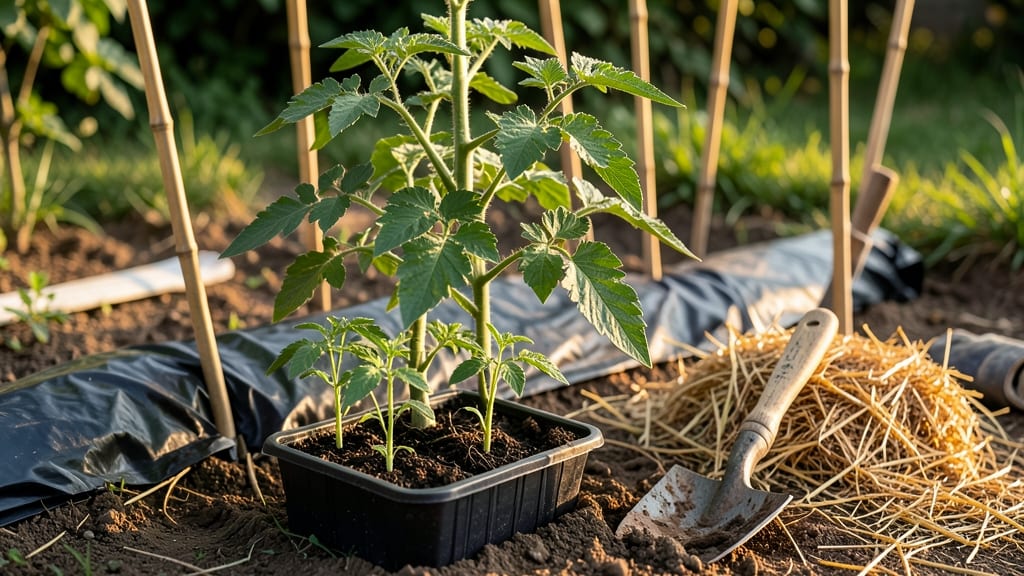
If you’ve ever watched your 🍅 tomato plants bolt before producing a single ripe fruit, you know when is the best time to plant tomatoes in Oklahoma isn’t just about avoiding frost—it’s about catching that sweet spot between 60°F soil and steady 50°F nights to prevent premature flowering.
For gardeners in Zone 7a/7b, missing these windows means risking stunted growth or bitter fruit. I’ll break down the exact deadlines you need to follow, whether you’re starting seeds indoors or sowing directly into your garden bed.
No more guesswork—just proven strategies to maximize your harvest from June through October.
What if you could extend your growing season by 30 days or more? The secret lies in staggered planting and heat-tolerant varieties that thrive in Oklahoma’s scorching summers. I’ll share the exact techniques local farmers use to beat the heat and keep their tomatoes producing well into fall.
Ready to transform your garden from a gamble to a guaranteed bounty? Let’s dive into the critical timeline that separates a mediocre harvest from a garden overflowing with juicy, vine-ripened tomatoes—no matter where you are in the state.
Oklahoma tomato planting deadlines by Zone 7a/7b: avoid bolting with perfect timing
Getting your tomato planting right in Oklahoma’s Zone 7a/7b isn’t just about avoiding frost—it’s about dodging the dreaded bolting that turns your plants into flower factories before they produce fruit.
With Oklahoma’s unpredictable spring and scorching summers, timing is everything. Let’s break down the critical deadlines that separate success from disappointment.
First, know that Oklahoma’s last average frost date typically lands between March 15 and April 15, depending on your exact location. But don’t let that fool you—soil temperature is the real game-changer.
Tomatoes need soil at 60°F or warmer to germinate and thrive. Planting too early means stunted growth, while planting too late risks heat stress and bolting.
Here’s the golden window for planting tomatoes in Oklahoma:
| Zone & Task | Zone 7a Deadline | Zone 7b Deadline | Key Condition |
|---|---|---|---|
| Start seeds indoors | Mid-February | Late February | 6-8 weeks before last frost |
| Transplant seedlings outdoors | April 15–May 1 | April 1–April 15 | Soil ≥60°F, nights ≥50°F |
| Direct sow seeds | April 30–May 15 | April 15–April 30 | Soil consistently 60°F+ |
| Last chance for transplanting | June 1 (risky) | May 15 (risky) | Heat-tolerant varieties only |
| Avoid planting after | June 15 | June 1 | Bolting risk increases |
Notice how Zone 7b has a slightly earlier window? That’s because it’s warmer on average, and plants can handle the transition outdoors sooner. If you’re in Zone 7a, don’t rush—waiting until mid-April ensures your seedlings aren’t shocked by late frosts.
Pro tip: Use a soil thermometer to confirm temperatures before planting. If it’s cooler than 60°F, hold off.
For direct sowing, aim for late April to mid-May. Seeds need consistent warmth to germinate, and Oklahoma’s soil can still be chilly in April. If you’re sowing directly, use biodegradable pots or plant seeds 1/4 inch deep and keep the soil moist until sprouts appear.
Here’s the hard truth: Planting after June 1 in Zone 7a or May 15 in Zone 7b is a gamble. Tomatoes planted in peak summer heat often bolt—meaning they produce flowers (and maybe tiny fruits) before maturing properly.
If you’re set on a late harvest, opt for heat-tolerant varieties like ‘Heatmaster’ or ‘Solar Fire’ and provide afternoon shade during the hottest months.
One more critical tip: Oklahoma’s microclimates can vary wildly. Urban areas like Oklahoma City might be 2-3°F warmer than rural spots, while high elevations (like near Oklahoma City’s hills) can have later frost dates.
Check your local agricultural extension office for precise frost data, or use a frost calendar like the one from Oklahoma State University.
Finally, don’t forget about fall planting. If you’re in a milder microclimate, you can squeeze in a second crop by planting heat-set seedlings in late July or early August.
These plants will mature just in time for fall harvests before the first frost hits in November. Just be prepared to protect them with row covers if temperatures dip.
Timing your tomato planting in Oklahoma isn’t just about the calendar—it’s about reading the soil, weather, and your microclimate. Follow these deadlines, and you’ll be well on your way to a bountiful harvest instead of a bolted disappointment. 🌱
How to extend your Oklahoma tomato season: staggered planting and heat-tolerant varieties
Oklahoma’s short growing season and intense summer heat can limit your tomato harvest—but strategic planting extends yields. By using staggered sowing and heat-resistant varieties, you can enjoy tomatoes from early spring to late fall without the risk of bolting or sunscald.
Start with cold-hardy varieties like 'Stupice' or 'Mountain Merit' for early planting. These can tolerate cooler soils and light frosts, giving you a jumpstart on the season. Pair them with row covers to protect young plants from late spring frosts while trapping warmth for faster growth.
For mid-season success, opt for determinate varieties like 'Roma' or 'Celebrity'. These bushy plants produce fruit quickly and handle Oklahoma’s 90°F+ temperatures better than indeterminate types. Plant them after the last frost date (typically mid-April in Zone 7a/7b) when soil temps hit 60°F+.
- 📅 Early Planting (March-April): Start cold-hardy seeds indoors 6-8 weeks before last frost. Use black plastic mulch to warm soil faster.
- 🌡️ Mid-Season (May-June): Transplant heat-tolerant varieties like 'Solar Fire' or 'Heatmaster' when temps stabilize above 70°F.
- 🌿 Succession Planting: Sow new seeds every 2-3 weeks until July 1 to maintain continuous harvests.
- 🌞 Shade Cloth (July-August): Use 30% shade cloth to protect plants from Oklahoma’s 100°F+ heat while maintaining fruit set.
- 🍅 Fall Planting (August-September): Choose quick-maturing varieties like 'Early Girl' or 'Patio' for a late-season harvest before frost.
Don’t overlook container gardening for urban gardeners. Smaller varieties like 'Tiny Tim' or 'Balcony Red' thrive in pots and can be moved to shadier spots during peak afternoon heat. Elevate containers to improve airflow and prevent soil-borne diseases common in Oklahoma’s humid summers.
For late-season success, focus on disease-resistant hybrids like 'Defiant PhR' or 'Mountain Spring'. These varieties resist verticillium wilt and fusarium, two major threats in Oklahoma’s clay-heavy soils. Plant them in well-draining raised beds filled with compost-rich mix to improve drainage and reduce stress.
Remember: Oklahoma’s first frost typically arrives by mid-November. To squeeze out every last tomato, use row covers or move potted plants to a sunny garage or greenhouse for a few weeks. With these strategies, you’ll enjoy homegrown tomatoes for 6+ months instead of just 3.