
Trees
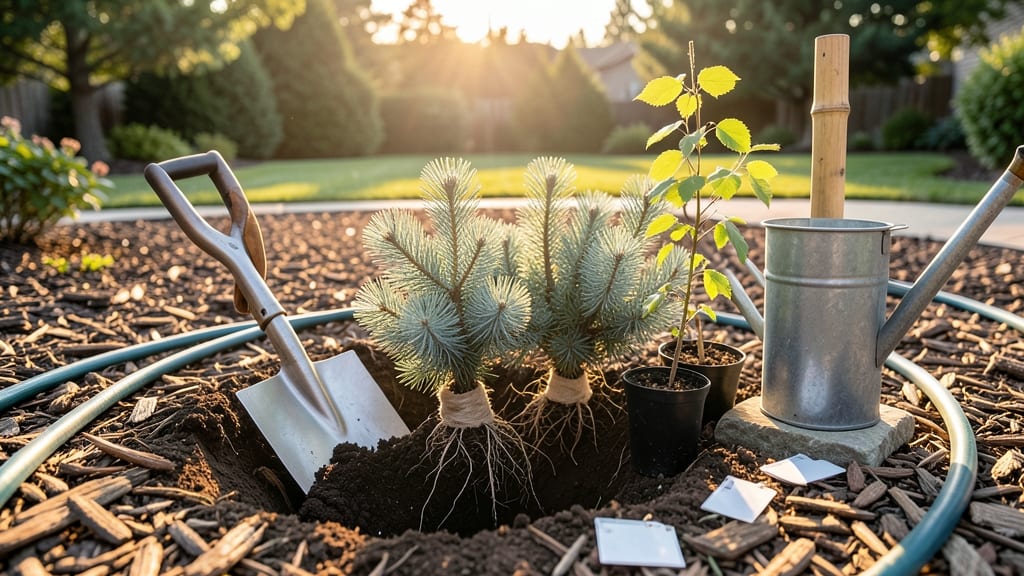
When is the best time to plant trees in Colorado? It isn’t just about grabbing a shovel and digging—it’s about catching that perfect window when your 🌳 has the best chance to thrive in the Rocky Mountain climate.
With frost dates shifting by elevation and microclimates creating wildly different conditions, timing matters more than you’d think. Plant too early, and you risk frost damage; too late, and your tree won’t establish strong roots before winter.
The key? Understanding Colorado’s zone-specific deadlines so you can give your tree the head start it needs.
Whether you’re in the lowlands of Denver or the high-altitude slopes of the Front Range, the ideal planting seasons are late winter to early spring or early fall.
I’ll break down exactly when to plant for your specific zone, plus the critical mistakes to avoid—so your tree doesn’t just survive, but thrives.
Ready to plant with confidence? Let’s dive into the best times to dig, the right trees for your climate, and how to set your sapling up for long-term success—without guessing.
Colorado planting zones: when to plant trees by elevation and microclimate
Colorado’s dramatic elevation changes—from desert lowlands to alpine forests—create wildly different planting windows for trees. At 4,000–6,000 feet, spring arrives early, while 8,000+ feet zones may still have snow in June.
Understanding your zone isn’t just about frost dates; it’s about soil thaw, water availability, and how quickly roots can establish before winter.
Most Colorado gardeners focus on late winter to early spring (March–April) or early fall (September–October) planting. But these deadlines shift 1–2 months higher in elevation.
For example, a blue spruce in Denver (5,280 ft) might thrive planted in late April, while the same tree in Aspen (8,000 ft) should wait until mid-June to avoid frost heave.
Evergreens like Colorado blue spruce and ponderosa pine need extra care—their roots must establish before first frost (October 15 in lowlands, September 1 in mountains). Deciduous trees like cottonwood or aspen are more flexible but still benefit from 6–8 weeks of root growth before winter dormancy.
Soil temperature is your best guide: Aim for 45°F+ at 6 inches deep. Use a soil thermometer to check—cold soil slows root growth, while warm soil (above 60°F) can stress young trees.
In dry zones, like the Western Slope, prioritize deep watering before planting to encourage root expansion.
Microclimates add another layer. Urban Denver’s heat islands may push planting 2 weeks earlier than rural areas, while windy mountain passes (e.g., I-70 corridor) demand windbreaks or dwarf varieties. Always check local frost maps from Colorado State University for precise deadlines.
Here’s how elevation dictates your planting window:
| Zone (ft) | Last Frost | First Frost | Ideal Planting Window | Soil Prep Tip |
|---|---|---|---|---|
| 4,000–6,000 ft (Denver, Fort Collins) | April 1–15 | October 15–30 | Late March–April or September–October | Amend clay soil with compost |
| 6,000–8,000 ft (Manitou, Estes Park) | May 1–15 | September 15–October 1 | Late April–May or August–September | Test for alkaline pH; add sulfur if needed |
| 8,000+ ft (Leadville, Durango) | June 1–15 | August 15–September 1 | Late May–June or July–early August | Use mulch to retain moisture |
For container-grown trees, timing is slightly flexible—their roots won’t freeze as quickly. But bare-root trees (like apple saplings) need immediate water access and should be planted when soil is thawed but not baking hot.
Pro tip: Plant 2–3 weeks before your zone’s ideal window to account for unexpected frost.
Watering strategies vary by zone too. In dry lowlands, deep-water newly planted trees every 5–7 days for the first year. In mountain zones, reduce to every 10–14 days—overwatering in cold soil can suffocate roots.
Always water at the base of the tree, not the leaves, to prevent fungal diseases like powdery mildew.
Colorado’s alkaline soils (pH 7.5–8.5) can stunt root growth, especially for acid-loving trees like blueberries or rhodo-dendrons. Test your soil and amend with elemental sulfur or pine needles if needed.
For most native trees (e.g., quaking aspen, gambel oak), no amendment is necessary—they’re adapted to our high-pH soils.
Finally, consider wind exposure. Trees planted in open fields (common in eastern Colorado) need staking and windbreaks until roots establish. In urban areas, where heat reflects off pavement, opt for drought-tolerant species like Russian olive or four-wing saltbush.
Timing your tree planting to Colorado’s zones isn’t rocket science—it’s about reading the land. Start with your elevation, check soil temps, and give your tree the 6–8 weeks of growth it needs before winter. With the right prep, your sapling will thank you for years to come. 🌳
Critical mistakes to avoid when planting trees in Colorado’s diverse climate
Colorado’s dramatic elevation changes and unpredictable weather can turn a simple tree-planting project into a high-stakes gamble. One wrong move—like planting too early or ignoring soil conditions—can stunt growth or even kill your tree before it takes root.
I’ve seen frost heave lift young saplings right out of the ground, and drought stress turn vibrant foliage brown in weeks. Let’s avoid these costly errors together.
The biggest mistake? Planting at the wrong time for your elevation. Lowland areas (4,000–6,000 ft) have a longer frost-free window than mountain zones (8,000+ ft), where early spring frosts are common even in May. Always check your local last frost date—Colorado State University’s extension office has tools to help.
Another common trap is skipping soil prep. Colorado’s alkaline soils and rocky terrain can suffocate roots if not amended. Before planting, test your soil’s pH and add organic matter like compost or peat moss. Evergreens hate soggy feet, so ensure drainage—especially in foothills zones where clay soils dominate.
- Planting too early: Risk frost heave (roots lift from freezing/thawing cycles).
- Ignoring wind exposure: High mountain sites need windbreaks for young saplings.
- Over-watering: Soggy soil suffocates roots—especially critical for drought-tolerant species.
- Skipping mulch: Protects roots from temperature swings and retains moisture.
Don’t overlook watering schedules. Newly planted trees need deep, infrequent watering—not light sprinkles. In drought-prone areas (like the Front Range), I’ve seen trees survive with 50% less water once established, but they need consistent moisture for the first 2 years.
Use a soaker hose or drip irrigation to deliver water directly to roots.
Finally, avoid planting bare-root trees in summer. Their roots dry out quickly in Colorado’s heat. Stick to container-grown trees or bare-root varieties planted in fall or early spring. For fast-growing species like cottonwood, spring planting gives them a head start before summer’s dry spell hits.
Remember: Patience is key. Trees planted at the right time with proper care can thrive for decades—giving your yard shade, beauty, and even wildlife habitat. Skip these mistakes, and your new tree will reward you with strong root growth and lush foliage year after year.