
Companion Plants
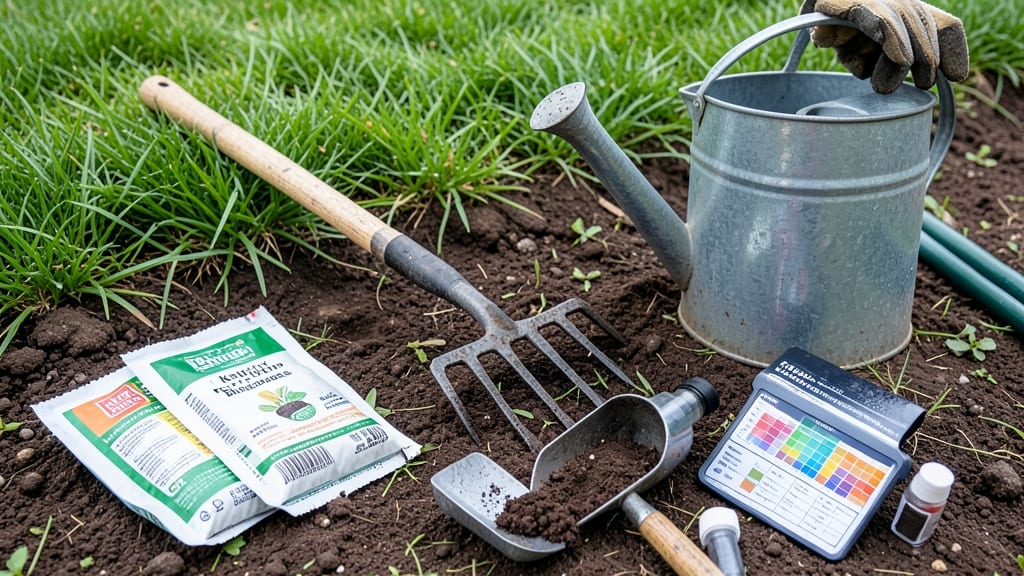
Planting grass at the wrong time in spring can mean slow growth, patchy lawns, or wasted seed—so timing isn’t just important, it’s everything. If you’re in USDA Zone 6 (or similar climates), getting it right means the difference between a lush, green lawn by summer and a frustrating do-over later.
The key? Soil temperature, moisture, and knowing exactly when to act before weeds take over.
Most gardeners assume "spring" means "go," but the truth is more precise: 🌱 Grass seed germinates best when soil hits 55–65°F—a window that varies by region.
In Zone 6, that’s typically 4–6 weeks before your last frost date, but if you plant too early, cold soil can stall growth, while waiting too long risks drought or weed competition. Let’s break down the science-backed tricks to nail your timing.
You’ll learn how to test soil readiness (no fancy tools needed), which grass types thrive in your climate, and how to adjust for rain delays or unexpected frost.
Whether you’re seeding a new lawn or overseeding an existing one, these insights will help you skip the guesswork and get faster, more reliable results. Ready to transform your yard?
From soil prep to post-planting care, I’ll walk you through every step—so you can enjoy that first mow with confidence, not stress. Let’s get your lawn off to the fastest, healthiest start this season.
Optimal soil temperature ranges for spring grass planting
Timing your grass planting to the right soil temperature is the secret to a lush, even lawn. Cool-season grasses like Kentucky Bluegrass and Fescue thrive when soil temps hover between 55-65°F (13-18°C), while warm-season varieties such as Bermuda and Zoysia need 65-75°F (18-24°C) to germinate properly.
Planting too early or late can leave your seed vulnerable to frost or heat stress, leading to uneven growth or failure.
Most gardeners overlook soil temperature and focus only on air temperature, but soil stays cooler longer—especially in early spring. A simple soil thermometer ($10 at garden centers) will give you real-time data to avoid costly mistakes.
For example, in USDA Zone 6, soil temps might still be in the 40s°F (4-9°C) in March, while air temps feel like spring has arrived. This mismatch is why many lawns struggle when seeded prematurely.
Here’s how to check your soil’s readiness without specialized tools: Press your hand into the ground about 2 inches deep. If it feels cool but not freezing (like a chilled soda can), it’s likely in the 55-65°F (13-18°C) range for cool-season grasses.
For warm-season grasses, the soil should feel warm to the touch, almost like a summer sidewalk. If it’s still damp and cold, wait at least 2-3 weeks—patience here saves you from replanting.
Regional variations play a huge role. In the Northern U.S. (Zones 3-5), aim for late April to early May when soil finally warms up. Meanwhile, in the Southern U.S. (Zones 7-10), early spring (February-March) is ideal because the ground heats up faster.
Even within the same zone, microclimates—like shaded spots or south-facing slopes—can shift optimal planting by 2-4 weeks. Always test multiple areas of your lawn if conditions vary.
One common mistake is assuming last frost dates are the same as soil readiness. Frost warnings are about air temperature, but soil temperature lags behind. A 4-6 week buffer after the last frost is safer for most regions.
For instance, if your last frost is April 15th, don’t rush to plant until May 1st—unless you’ve confirmed your soil is warm enough. This buffer ensures your grass seed doesn’t get zapped by a late freeze.
🌱 Soil Temperature Guide for Spring Grass Planting
| Grass Type | Ideal Soil Temp (°F/°C) | Best Planting Window | Soil Test Method |
|---|---|---|---|
| Cool-Season (Fescue, Bluegrass, Ryegrass) | 55-65°F (13-18°C) | Early to mid-spring (4-6 weeks before last frost) | Hand test: Cool but not freezing |
| Warm-Season (Bermuda, Zoysia, St. Augustine) | 65-75°F (18-24°C) | Late spring to early summer (after soil warms) | Hand test: Warm to touch (like sidewalk) |
| Transition Zones (Zones 6-7) | 50-60°F (10-15°C) for cool-season | Early spring (March) or late summer (August) | Soil thermometer: Verify before planting |
⚠️ Pro Tip: Warm-season grasses planted too early may germinate but die in late frosts. Cool-season grasses planted too late may struggle with summer heat.
If your soil isn’t ready but you’re eager to plant, consider cover crops like clover or winter rye to protect bare soil until conditions improve. These temporary plants also prevent erosion and suppress weeds, giving your grass a cleaner slate when it’s finally time to seed.
For example, planting winter ryegrass in late fall lets you overseed with your desired grass in early spring without competing growth.
Another trick is to use black plastic mulch for 2-3 weeks before planting. Lay sheets of plastic over the soil in sunny areas to absorb heat and warm the ground faster. Remove the plastic just before seeding to avoid overheating the seed.
This method can shave 1-2 weeks off your waiting time in cooler climates. Just be sure to secure the edges so wind doesn’t blow it away—light bricks or landscape pins work well.
Once your soil hits the ideal range, act fast! Grass seed has a limited germination window, typically 7-14 days of optimal conditions. If rain or temperature drops occur during this time, germination slows or stops.
To maximize success, prepare your soil 1-2 weeks ahead by tilling, removing debris, and leveling the area. This ensures your seed makes contact with warm, moist soil the moment you plant it.
Finally, don’t forget that evening soil temperatures can differ from daytime highs. Check temps in the late afternoon when soil is warmest.
If you’re planting in a shaded area, soil will stay cooler longer—consider sun-loving grass varieties or extend your planting window by 2-3 weeks to account for the delay. With these adjustments, you’ll avoid the heartbreak of patchy lawns and welcome a carpet of green instead.
Best spring planting months by u.s. climate zones
Timing your grass planting to your USDA climate zone is the secret to avoiding patchy lawns and wasted seed. In Zone 6, where I garden, March and April are ideal—but if you’re in Zone 8 or warmer, you might wait until May.
The key difference? Cool-season grasses (like Kentucky Bluegrass) need early spring planting, while warm-season grasses (like Bermuda) thrive when soil warms in late spring.
Regional frost dates and rainfall patterns shift these windows dramatically. For example, Zone 3 gardeners should plant by late April to avoid late frosts, while Zone 10 can seed year-round with minimal risk. Let’s break down the best months for each zone, plus grass-specific strategies to maximize success.
| Zone | Best Months | Grass Type | Soil Temp Goal |
|---|---|---|---|
| 3-5 | March–April | Fescue, Ryegrass | 50–60°F (10–15°C) |
| 6-7 | March–May | Kentucky Bluegrass | 55–65°F (13–18°C) |
| 8-9 | April–June | Bermuda, Zoysia | 65–75°F (18–24°C) |
| 10 | Year-round | St. Augustine | 70–80°F (21–27°C) |
If you’re in Zone 6 like me, focus on late March to early April for cool-season grasses. For warm-season types, delay until May when soil stays above 65°F. Pro tip: Use a soil thermometer (just $10) to confirm readiness—don’t guess!
In drier zones (like Zone 7b), prioritize planting after the first 1-inch rainfall to ensure seed-to-soil contact.
Late spring planting (May–June) works for warm-season grasses but risks drought stress. Always water deeply 2–3x/week after seeding to keep soil moist. In Zone 8+, you can even plant in September for a fall establishment—just aim for 60 days before first frost.
Regional variations matter! For example, Pacific Northwest gardeners can plant 2 weeks earlier than Midwest counterparts due to cooler, wetter springs. Check your local cooperative extension office for hyper-local advice—sometimes a 10-mile difference changes the ideal window by weeks.
Remember: Overseeding (adding seed to existing lawns) follows the same rules as new planting. If your lawn is thin, act now—don’t wait until summer heat stresses new growth. With the right timing, you’ll see visible germination in 7–14 days and a lush lawn by mowing season.