
Planting
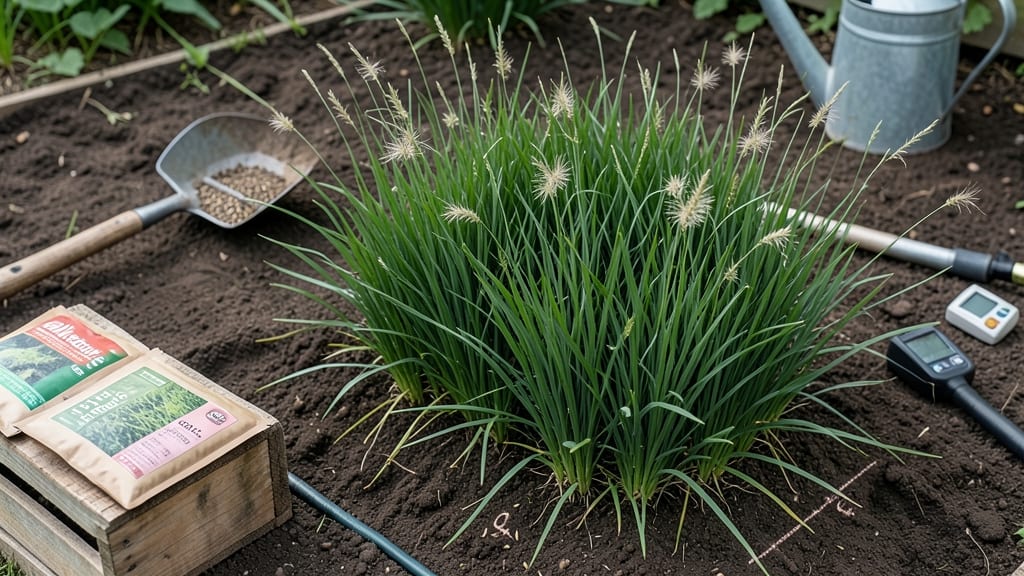
Planting grass seed in North Carolina at the wrong time can leave you with patchy, weak lawns that struggle against weeds and heat—so getting the timing right is everything for that thick, vibrant turf you want.
Whether you're in the humid coastal plains or the drier Piedmont region, understanding your USDA zone (6a-8b) makes all the difference in when to start.
The best windows for planting are early spring (March-April) and early fall (August-September), when soil temperatures hover around 50°F—perfect for seed germination. But here’s the catch: coastal areas may need to adjust for extra humidity, while mountain zones can push timing later due to cooler springs.
I’ve seen firsthand how a few weeks off can turn a lush lawn into a battleground with weeds. The key isn’t just picking a month—it’s preparing your soil, choosing the right grass type, and knowing how North Carolina’s unpredictable weather can shift your deadlines.
Let’s break down the exact steps to plant your grass seed at the perfect time, so you avoid common mistakes and end up with a lawn that’s the envy of the neighborhood. Ready to get started?
North Carolina grass planting zones: best months by region (coastal vs Piedmont vs mountains)
North Carolina’s diverse climate—from the humid coastal plains to the cool mountain valleys—means planting times vary dramatically. The state spans USDA zones 6a to 8b, so your best planting window depends on where you live.
For most NC gardeners, early fall (August-September) and early spring (March-April) are ideal, but let’s break it down by region.
In the coastal zone (USDA 8a-8b), like Wilmington or Morehead City, summers are hot and humid, while winters are mild. Here, fall planting (late August) avoids summer heat stress, and spring planting (March) lets you beat the first frost.
In contrast, the Piedmont (USDA 7a-7b), including Raleigh and Charlotte, has hot summers and cooler winters—so late August to mid-September is perfect for fall, while April is safer for spring.
The mountain regions (USDA 6a-6b), like Asheville or Boone, experience earlier frosts. Plant in late April to early May for spring, and late August to early September for fall. These areas also benefit from shade-tolerant varieties due to dense forest cover.
Here’s a quick comparison to help you decide:
No matter your zone, soil temperature is critical. Grass seed needs soil at least 50°F for germination. Use a soil thermometer to check—if it’s below this, wait. In coastal areas, summer heat can stress seedlings, while mountain regions risk early frosts if planted too late.
For shady lawns, aim for tall fescue or fine fescue, which thrive in 3–6 hours of sun. In full sun, Bermuda or Zoysia grasses handle NC’s heat better. Always water deeply 2–3 times weekly until establishment (about 30 days).
Pro tip: If you’re in a transition zone (like the foothills), split your planting—half in spring, half in fall—to ensure year-round coverage. This strategy also helps if your local weather is unpredictable, like in the Piedmont where spring rains can delay germination.
Once you’ve picked your window, prep your soil by removing weeds, tilling to 4 inches deep, and adding compost or peat moss for organic matter. In humid NC, fungal diseases like brown patch are common, so avoid overwatering and water in the early morning to let grass dry quickly.
Timing isn’t just about the calendar—it’s about reading your microclimate. Notice how sunlight hits your yard, how quickly soil dries, and when your neighbors’ lawns thrive. With the right grass variety and planting window, you’ll have a thick, weed-resistant lawn in no time. 🌱
How to prepare your soil for grass seed success in NC's humid climate
Before you even think about scattering that grass seed, your soil preparation in North Carolina’s humid climate can make or break your lawn’s success. The state’s mix of heat, humidity, and occasional summer drought means your soil needs extra attention to support strong seed germination and root growth.
Start by testing your soil pH—aim for a range of 6.0 to 7.0. North Carolina’s clay-heavy soils often lean acidic, which can stunt grass growth.
If your pH is off, add pelletized lime (for acidic soil) or sulfur (for alkaline soil) 2-3 months before planting to let it adjust naturally.
The next critical step is removing weeds and debris. Use a stiff rake or dethatching tool to clear the area, then mow existing grass as short as possible if you’re overseeding. Don’t skip this—weeds compete fiercely with new grass for nutrients and water, especially in NC’s warm, wet springs.
⚠️ Callout Warning
Watch out for fungal diseases like brown patch or dollar spot—common in NC’s humidity. Avoid working wet soil, and never water at night. If your lawn already has fungal issues, treat with a fungicide 2 weeks before planting.
Once your soil is clear, loosen the top 2-3 inches with a garden fork or tiller. This improves aeration and helps roots penetrate deeper, which is crucial for drought resistance.
For heavy clay soils (common in the Piedmont), mix in 2-3 inches of compost or well-rotted manure to improve drainage and fertility.
After tilling, create a fine, level seedbed. Use a drag mat or leveling rake to smooth out bumps—grass seed needs good contact with soil to germinate. For sloped areas, consider installing erosion control fabric to prevent seed washout during NC’s sudden summer rains.
Finally, set up your irrigation system. Grass seed needs consistent moisture—about 1 inch per week—but too much water can drown seeds. Install a sprinkler system or soaker hoses and run them for 10-15 minutes every morning to keep the soil damp but not soggy.
Mulch lightly with straw (not wood chips) to retain moisture and protect seeds from heavy rain.
With these steps, your North Carolina soil will be ready to give your grass seed the perfect foundation for a thick, resilient lawn—no matter what the Tar Heel State throws at it. 🌱