
Planting
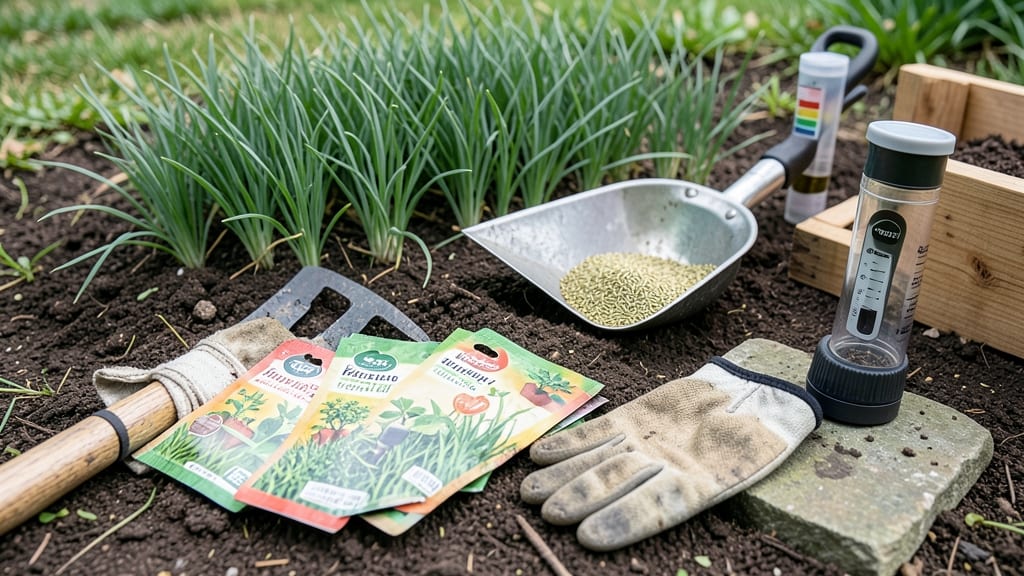
Timing your spring grass planting perfectly can mean the difference between a lush, green lawn and patchy, slow-growing results—soil temperature is the secret weapon most gardeners overlook.
If you've ever stared at your calendar wondering "when should you plant grass in the spring", you're not alone. The answer isn't just about the calendar date—it's about understanding your local climate and soil conditions.
In USDA Zone 6a, like many northern regions, the ideal window opens 4-6 weeks before your last frost date, but that doesn't mean you should rush.
Here's the game-changer: your grass seeds need soil that's consistently 50-65°F—too cold, and germination slows to a crawl; too warm, and you risk drying out before roots establish. I'll show you exactly how to test your soil's readiness and adjust your planting schedule for the fastest, most reliable results.
Whether you're sowing seeds or laying sod, getting this timing right saves you from costly re-planting and gives your lawn the strong start it needs. Let's dive into the science—and simple tricks—so you can transform bare spots into vibrant 🌱 grass that stays green all season.
The ideal soil temperature for planting grass in spring
Planting grass at the right time in spring isn't just about the calendar—it's all about soil temperature. Most grass seeds need the ground to warm up to between 50°F and 65°F to germinate properly. If you plant too early, the seeds may rot in cold, wet soil.
Too late, and summer heat can stress young grass. The key is finding that sweet spot where the soil is warm enough to encourage growth but not so hot that it dries out too quickly.
Cool-season grasses like Kentucky bluegrass and fescue thrive when soil temperatures hover around 50°F to 60°F. Warm-season grasses, such as Bermuda and Zoysia, prefer 65°F to 75°F. Knowing your grass type and local climate will help you pinpoint the perfect planting window.
For example, in the Northeast, early April often hits that 50°F mark, while in Arizona, you might wait until late March or early April to avoid extreme heat.
But how do you know when your soil is ready? A simple soil thermometer is your best tool. Stick it into the ground about 2 inches deep and check the temperature in the morning. This depth mimics where grass seeds will be planted, giving you an accurate reading.
If the thermometer reads below 50°F, wait a few more days. If it's above 65°F, you might want to hold off until temperatures cool slightly in the evening.
Another trick is to watch for local wildlife. When earthworms start appearing on the surface, it’s a sign the soil is warming up. Similarly, if you notice dandelions blooming vigorously, it’s often a good indicator that the ground is ready for grass seeds.
These natural cues can save you from guessing and help you time your planting just right.
🌱 Soil Temperature Guide for Grass Planting
| Grass Type | Ideal Soil Temp | Best Planting Window | Regions to Plant |
|---|---|---|---|
| Cool-Season Grasses | 50°F - 60°F | Early Spring (March-April) | Northern US, Canada |
| Warm-Season Grasses | 65°F - 75°F | Late Spring (April-May) | Southern US, Southwest |
| Transition Zone | 55°F - 65°F | Early to Mid-Spring | Midwest, Southeast |
*Use a soil thermometer for accuracy. Plant when temps are consistently in the ideal range for 3-5 days.
If you're planting in a region with unpredictable spring weather, consider using a soil warming blanket or black plastic mulch to speed up the process. These tools absorb sunlight and transfer heat to the soil, creating a warmer microclimate for your seeds.
Just be sure to remove them once the grass sprouts to avoid smothering young plants.
One common mistake is assuming that air temperature is the same as soil temperature. They’re not! Soil stays cooler longer, especially in shaded areas or after overnight frosts.
For example, a sunny 70°F day might still have 55°F soil in the morning. Always check with a thermometer to avoid misjudging the conditions.
Another pro tip: If you're planting sod instead of seed, the soil temperature requirements are slightly different. Sod can handle slightly cooler soil because the roots are already established. However, you’ll still want the ground to be above 45°F to prevent shock to the transplanted grass.
This flexibility makes sod a great option for gardeners in cooler climates who want to plant earlier in the season.
Finally, don’t forget to prepare your soil before planting. Loosen the top 4 inches of soil to improve aeration and root penetration. Mix in a 2-3 inch layer of compost to boost nutrients, and level the surface to create an even seedbed.
Well-prepared soil helps grass seeds germinate faster and establishes a stronger root system from day one.
Timing your grass planting based on soil temperature sets the foundation for a healthy, vibrant lawn. By paying attention to these details, you’ll avoid the frustration of slow germination or patchy growth—and enjoy a lush carpet of green all season long. 🌱
The ideal soil temperature for planting grass in spring
Planting grass in spring isn't just about picking the right month—it's all about soil temperature. Grass seeds need consistent warmth (between 50°F and 65°F) to germinate properly. If the soil is too cold, seeds may rot; if it's too hot, they'll dry out before sprouting.
This ideal range ensures your grass establishes strong roots quickly, setting the stage for a healthy lawn.
Most gardeners make the mistake of planting too early, when soil temperatures are still hovering near 40°F or lower. This forces seeds to sit dormant or even rot in the ground. Instead, wait until the soil has warmed enough to support active root growth.
In many regions, this means waiting until late April or early May, but timing varies widely depending on your climate zone and local weather patterns.
To test your soil temperature accurately, use a soil thermometer (available at garden centers for under $10). Insert it 2–3 inches deep—this is where grass seeds will germinate. Check the temperature at the same time each day, preferably in the late morning when soil is warmest.
If readings are below 50°F, wait a few more days. Patience here pays off with faster, more uniform germination.
Another key factor is soil moisture. Grass seeds need to stay consistently damp (not soggy) to germinate. If your soil dries out too quickly, seeds will fail to sprout. After planting, water lightly but frequently—about 1/4 inch per day—until you see sprouts.
A simple way to check moisture is to dig a small hole; if the soil feels dry 1 inch down, it's time to water. Overwatering can suffocate seeds, so aim for even moisture without pooling.
Regional differences play a huge role in timing. In cooler northern states (like Minnesota or Maine), you may need to wait until mid-to-late May for soil to warm enough. Meanwhile, in warmer southern states (like Texas or Florida), early April might be perfect.
Always align your planting with your last frost date—planting too early risks frost damage to tender new shoots. For most of the U.S., this means aiming for 4–6 weeks after the last frost.
Once your soil hits that 50°F–65°F sweet spot, you're ready to plant. Spread your grass seed evenly, cover lightly with soil (no more than 1/4 inch), and keep the area moist.
Within 7–21 days, you should see those first tiny green sprouts breaking through the soil—a sign you’ve nailed the timing. With the right conditions, your lawn will be off to a lush, healthy start.