
Plants
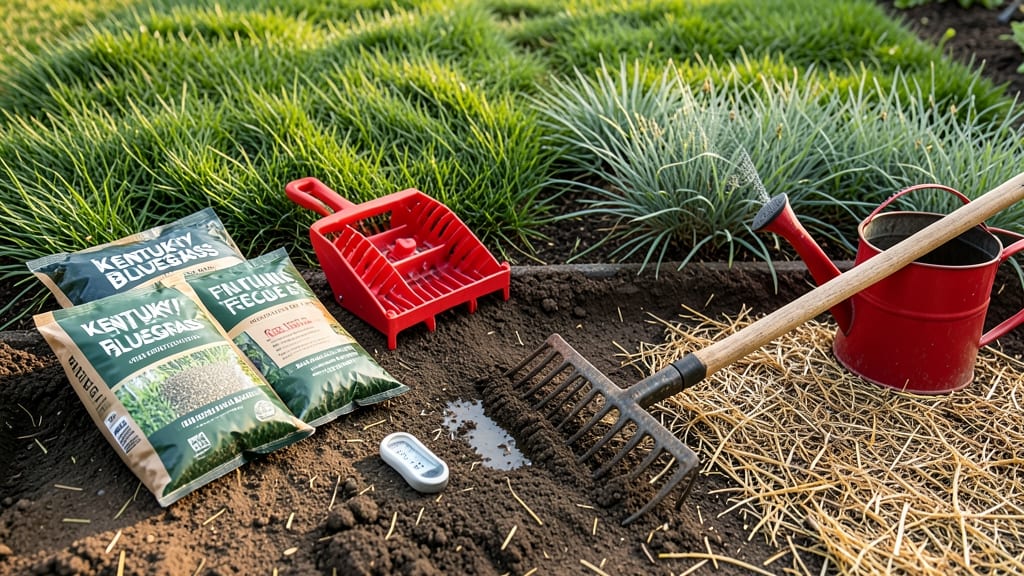
Timing your grass seed planting in Colorado can mean the difference between a lush, green lawn and a patchy, struggling yard—especially with our unpredictable weather. Whether you're tackling a new lawn or overseeding an existing one, getting the timing right is the key to strong root growth and long-term success.
Colorado’s USDA zones 5-7 and varying elevations create unique challenges, but with the right approach, you can outsmart the climate.
Most Colorado gardeners swear by spring or fall planting for the best results, but knowing exactly when to pull the trigger makes all the difference. Too early, and frost can stall germination; too late, and summer heat or winter freezes will weaken your grass before it even takes hold.
Let’s break down the ideal windows and what you need to watch for in your specific region—whether you’re on the Front Range or the Western Slope.
You’ll also discover how to choose grass varieties that thrive in Colorado’s conditions, from drought-resistant options to cold-hardy types that won’t wilt under our mountain sun. Avoiding common mistakes—like planting when soil temps are still too chilly or skipping soil prep—will save you time, money, and frustration down the road.
Ready to transform your yard into a vibrant, resilient lawn? Let’s dive into the best times to plant, the tools you’ll need, and the secrets to keeping your 🌱 grass thriving year after year.
Best time to plant grass seed in Colorado: spring vs fall timeline
Colorado’s diverse microclimates mean your best planting window depends on elevation and region. Most gardeners in Denver, Colorado Springs, and the Front Range aim for early spring or fall, but high-altitude areas (like Aspen or Steamboat Springs) need adjustments.
The key is planting when soil temps hit 50-65°F and frost risks are minimal.
Spring planting kicks off after the last frost date, typically mid-April to early May in lower elevations. However, high plains regions like Fort Collins may wait until late May to avoid late frosts.
Fall planting, on the other hand, offers a longer window—from mid-August to early October—giving grass time to establish roots before winter dormancy.
Here’s the critical difference: Spring planting races against summer heat and drought stress, while fall planting benefits from cooler temps and fewer weeds. Both seasons have pros, but fall is often superior for Colorado’s dry climate because it reduces watering demands during germination.
🌱 Spring vs Fall Planting Comparison for Colorado
| Factor | Spring Planting | Fall Planting |
|---|---|---|
| Best Months | March–May | September–October |
| Soil Temp | 50–65°F | 50–65°F |
| Frost Risk | High (late frosts) | Low (6+ weeks before frost) |
| Water Needs | High (summer drought risk) | Moderate (cooler temps) |
| Weed Competition | Moderate | Low (weeds dormant) |
| Root Establishment | Slower (heat stress) | Faster (ideal temps) |
💡 Pro Tip: Use a soil thermometer to confirm temps before planting—50°F is the minimum for germination.
For high-altitude areas (above 7,000 feet), like Estes Park or Leadville, shift your timeline 2–4 weeks later. These regions experience cooler soils and earlier frosts, so aim for late May to early June in spring or late August to early September in fall.
Always check your local USDA Zone (typically Zone 5–7 in Colorado) for precise guidance.
Another critical factor is rainfall patterns. Western Colorado (e.g., Grand Junction) has drier springs, making fall planting the safer bet. Meanwhile, the Front Range benefits from spring moisture, so both seasons work—but fall still wins for drought resistance.
If you’re overseeding an existing lawn, late summer to early fall (August–September) is ideal. This timing aligns with cool-season grasses like Kentucky bluegrass and tall fescue, which thrive when daytime temps drop below 85°F. Overseeding too early in spring can leave new grass vulnerable to heat stress.
One common mistake is planting too early in spring, when soil is still cold or frosts linger. Seed left exposed to freezing temps won’t germinate—it’ll just waste your money.
Conversely, planting too late in fall (within 4–6 weeks of frost) risks weak root systems before winter dormancy. Use a frost calendar for your area to plan accordingly.
Finally, test your soil before planting. Colorado’s alkaline soils (pH 7.5–8.5) can hinder germination. Aim for a pH of 6.0–7.0 by amending with sulfur or peat moss if needed. This small step ensures your grass seed gets the best start—whether you plant in spring or fall. 🌱
Best time to plant grass seed in Colorado: spring vs fall timeline
Colorado’s two ideal windows for planting grass seed are early spring and fall, but timing depends on your USDA zone (5-7) and microclimate. The Front Range (Denver, Boulder) differs from the Western Slope (Grand Junction) or high-altitude areas like Steamboat Springs.
Both seasons offer advantages, but fall planting often yields better results for Colorado’s dry climate.
In spring, aim to plant 4-6 weeks after your last frost date—typically mid-April to early May in Denver. Soil temperatures should reach 50-65°F for optimal germination.
However, late frosts (common in May) can kill tender seedlings, so monitor forecasts. For high-altitude areas (above 7,000 ft), wait until mid-May to avoid frost damage.
| Factor | Spring Planting (March-May) | Fall Planting (September-October) |
|---|---|---|
| Ideal Soil Temp | 50-65°F | 50-65°F |
| Best Months (Denver) | Mid-April to May | Late August to early October |
| Frost Risk | High (late frosts) | Low (plant 6+ weeks before first frost) |
| Weed Competition | Moderate (weeds germinate early) | Low (weeds dormant in fall) |
| Water Needs | High (spring droughts) | Moderate (cooler temps reduce evaporation) |
| Root Establishment | Slower (hot/dry summers) | Faster (cooler roots grow deeper) |
Fall planting in September or early October is often the best choice for Colorado lawns. The cooler temperatures reduce stress on seedlings, and longer daylight hours in early fall promote strong root growth before winter.
Aim to plant 6-8 weeks before your first frost—typically by October 1st in Denver or September 15th in Colorado Springs.
For high-altitude areas (e.g., Aspen, Leadville), adjust your timeline by 2-4 weeks later than lower elevations. These regions experience earlier frosts and cooler soil temperatures. Use a soil thermometer to confirm temperatures are 50°F or above before planting, regardless of the calendar date.
Both seasons require consistent moisture—water lightly daily for the first 2 weeks to keep soil evenly moist. In spring, prioritize early morning watering to combat evaporation, while fall watering can be slightly reduced as temperatures drop.
Avoid planting in summer (June-August) due to heat stress and drought conditions, which can kill seedlings before they establish.
Pro tip: Test your soil’s pH (6.0-7.0 ideal) and nitrogen levels before planting. Colorado’s alkaline soils often need sulfur or peat moss to lower pH. Amend your soil with compost or starter fertilizer to give seedlings a nutrient boost, especially in spring when weeds compete for resources.