
Plants
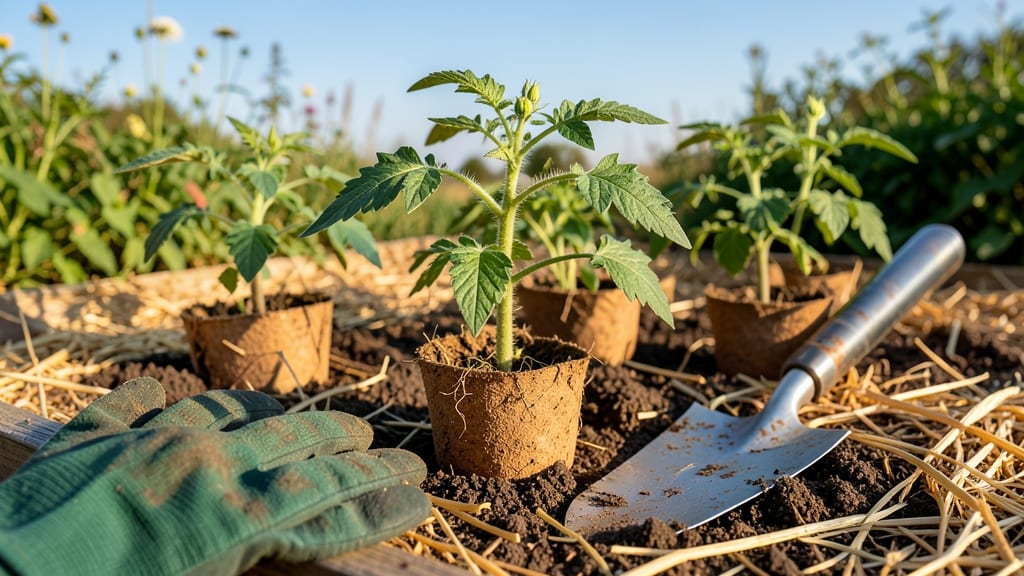
Timing when should you plant tomatoes in Florida isn’t just about the calendar—it’s about beating the heat and humidity to give your 🍅 plants the strong start they need.
Unlike cooler climates, Florida’s frost-free zones mean you can grow tomatoes year-round, but planting at the wrong time risks weak vines or stunted fruit. The key is working with Florida’s unique heat zones to avoid the brutal summer sun while maximizing fall harvests.
Most gardeners make one of two mistakes: planting too early and watching seedlings wilt in April’s heat, or waiting too long and missing out on fall’s sweetest tomatoes.
But with the right strategy—like starting seeds indoors in late winter or choosing heat-tolerant varieties—you can stretch your growing season for juicier, more productive plants. Let’s break down the best months to plant based on your Florida zone, so you can enjoy homegrown tomatoes from spring through winter.
Whether you’re a first-time gardener or a seasoned grower, getting the timing right makes all the difference. You’ll learn how to time your transplants for cooler weather, avoid common pitfalls like overwatering in summer, and even extend your harvest with succession planting.
Ready to turn your Florida garden into a tomato powerhouse?
The secret isn’t just patience—it’s precision. By aligning your planting schedule with Florida’s climate, you’ll skip the guesswork and enjoy a garden bursting with flavor. Let’s get started with the exact steps to make your 🍅 thrive all season long.
Florida heat zone planting calendar: best months for tomatoes by region
Florida’s frost-free climate means you can grow tomatoes year-round, but timing still matters to avoid heat stress or poor yields. The state’s 11 heat zones (ranging from Zone 8a in North Florida to Zone 11 in the Keys) dictate the best planting windows.
In cooler zones like Zone 8a-9a, early spring and fall are ideal, while Zone 10-11 gardeners can plant almost anytime except peak summer.
For North Florida (Zones 8a-9a), aim for January-February or August-September to avoid summer’s brutal heat. In Central Florida (Zones 9b-10a), you can plant year-round with staggered starts, but spring (March-May) and fall (September-November) yield the best results.
Meanwhile, South Florida (Zones 10b-11) thrives with winter (December-February) and late summer (July-August) plantings.
Here’s how to align your planting with Florida’s heat zones for maximum success:
If you’re starting seeds indoors, begin 6-8 weeks before your target transplant date. For example, North Florida gardeners should start seeds in November for a January outdoor move. In South Florida, you can direct-sow in winter or use shade cloth for summer plantings.
For transplants, buy healthy 6-week-old seedlings from nurseries and harden them off for 3-5 days before planting. Avoid buying stressed plants in peak summer, as they’ll struggle in Florida’s heat. Instead, opt for container-grown tomatoes or dwarf varieties like Tiny Tim for easier management.
Soil temperature is critical—tomatoes need 60°F+ soil to germinate. In North Florida, wait until soil warms in late February for spring plantings. In South Florida, soil stays warm year-round, but winter plantings benefit from row covers to protect against light frosts (rare but possible).
Pro tip: Use a soil thermometer to check temperatures before planting. If soil is below 60°F, wait or use black plastic mulch to warm it faster. In Zone 10-11, focus on shade protection during April-May when humidity spikes and fungal diseases like early blight thrive.
For container gardening, Florida’s heat zones don’t change the rules—just the timing. Plant dwarf or bush varieties like Patio Princess in 5-gallon pots and keep them in partial shade during 10 AM-2 PM in summer. Move containers to full sun in morning or evening for best results.
Remember, Florida’s humidity and heat can stress tomatoes, so always pair planting with proper watering (deep soaks in morning) and mulching to retain moisture. With the right timing, you’ll enjoy homegrown tomatoes from spring through fall—no frost to fear! 🌱
How to avoid common Florida tomato planting mistakes
Planting tomatoes in Florida isn’t just about picking a date—it’s about avoiding the heat zone pitfalls that can turn your garden into a tomato graveyard.
One of the biggest mistakes is planting too early in North Florida (Zones 8-9), where unexpected cold snaps can still occur in January or February. Even though Florida rarely freezes, a 28°F night can kill young plants overnight.
Conversely, South Florida gardeners (Zones 10-11) often make the opposite error by planting too late, only to watch their seedlings wilt under July’s scorching sun.
The ideal window is early spring (February-March) for North Florida and late summer (August-September) for South Florida, but timing depends on your specific heat zone and microclimate.
Planting tomatoes in peak summer (June-July) exposes them to 90°F+ soil temps, which can cause root burn and blossom drop. Even shade cloth won’t fully protect seedlings from intense afternoon sun.
Solution: Use black plastic mulch to warm soil in spring or shade cloth (30-50%) in summer to lower root zone temps by 10-15°F.
Another common mistake is skipping soil preparation. Florida’s sandy soils drain too quickly, while heavy clay in some areas holds too much moisture. Before planting, amend your soil with 2-3 inches of compost and a balanced fertilizer (10-10-10) to ensure your tomatoes get the nutrients they crave.
Test your soil’s pH—tomatoes thrive in 6.0-6.8 range, and Florida’s native soils often skew acidic.
Watering at the wrong time is another silent killer. Many gardeners water in the evening, thinking it’s better for plants, but this creates ideal conditions for fungal diseases like early blight.
Instead, water deeply in the morning (6-9 AM) to give foliage time to dry before nightfall. Use drip irrigation or soaker hoses to keep water at the roots, not the leaves.
Finally, overcrowding plants leads to poor air circulation, inviting pests like hornworms and diseases like powdery mildew. Space tomato plants 18-24 inches apart in rows 3 feet apart to allow sunlight to reach all foliage.
If growing in containers, use 5-gallon pots minimum per plant and place them where they’ll get full sun (6+ hours daily).
By avoiding these Florida-specific mistakes, you’ll set your tomato plants up for strong roots, healthy growth, and a bountiful harvest—no matter which heat zone you’re in. The key is adapting to your local climate rather than following a one-size-fits-all schedule.