
Plants
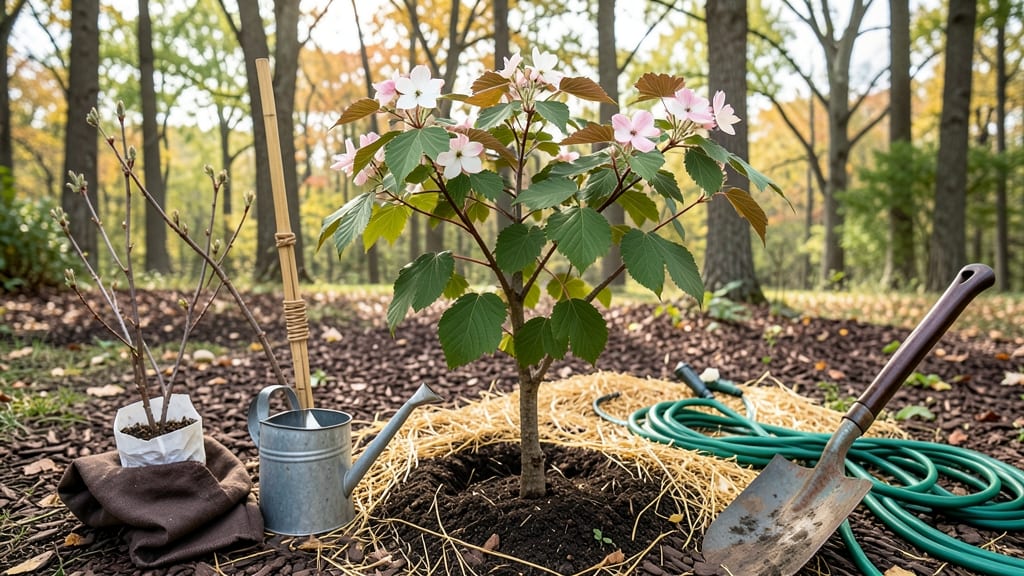
Timing your dogwood tree 🌳 planting in fall can make or break those stunning spring blooms you’re dreaming of. In USDA Zone 6a, the sweet spot is between October 1 and November 15, when soil stays warm enough for roots to settle before winter’s chill sets in.
But here’s the catch: not all dogwood varieties play by the same rules. Some need 600 chill hours to bloom, while others thrive with just 300. Planting at the wrong time could leave you waiting years for those showstopping flowers—or worse, a tree that never blooms at all.
I’ll break down the exact window for your zone, plus how to prep soil and care for your new tree so it’s ready to face winter like a pro. Whether you’re a first-time gardener or a seasoned pro, these tips will help your dogwood take root and grow strong.
Let’s get your dogwood in the ground at the perfect moment—so you can enjoy those iconic blooms next spring without the guesswork.
Optimal fall planting window for dogwood trees by USDA Zone
Fall planting gives dogwood trees a head start on root growth before winter dormancy, but timing varies drastically by USDA zone. In Zones 5-7, aim for October 1–November 15—this window ensures roots establish before soil freezes.
Southern zones (8-9) can plant slightly later, up to December 1, since milder winters allow longer root development.
The key is planting 4-6 weeks before your first frost date. For example, in Zone 6 (like Chicago), plant by October 20; in Zone 8 (like Atlanta), you can wait until November 15. Soil temperatures should stay above 40°F (4°C) for root growth to continue.
Northern gardeners (Zones 5-6) should prioritize early October planting to avoid winter stress. Southern gardeners (Zones 7-9) have more flexibility but must finish by December 1 to prevent root shock from early spring warmth. Always check your local last frost date for precision.
🌳
| USDA Zone | Ideal Planting Window | Soil Temp Threshold | Regional Adjustment |
|---|---|---|---|
| 5 | September 15–October 15 | 45–50°F (7–10°C) | Plant early to avoid early frost |
| 6 | October 1–November 15 | 40–45°F (4–7°C) | Avoid planting after November 15 |
| 7 | October 15–December 1 | 45–50°F (7–10°C) | Southern Zone 7: Plant by November 15 |
| 8 | November 1–December 15 | 50–55°F (10–13°C) | Avoid planting after December 15 |
| 9 | December 1–January 15 | 55–60°F (13–16°C) | Plant in early December for best results |
Regional microclimates can shift these windows by 2-4 weeks. For example, coastal Zone 7 (like Charleston) may plant until December 15, while inland Zone 7 (like Nashville) should finish by November 15. Use a soil thermometer to confirm ground temps—roots need consistent warmth to grow.
Pro tip: In Zones 5-6, mulch heavily after planting to insulate roots. In Zones 8-9, prioritize well-draining soil to prevent winter waterlogging. Both strategies protect young trees during their first critical winter.
If you miss the fall window, spring planting (March–April) is your backup—but fall-grown dogwoods often bloom 1-2 years earlier due to stronger root systems. Don’t wait too long!
🌡️
Chill-hour requirements by dogwood variety: how they affect fall planting timing
Not all dogwood trees are created equal when it comes to chill-hour requirements. These cold temperature accumulations trigger blooming, and planting too early or late in fall can delay—or even prevent—those stunning spring flowers.
For example, 'Cherokee Brave' needs 700-900 chill hours to bloom reliably, while 'White Winter' thrives with just 400-600 chill hours. Understanding these needs helps you adjust your planting timeline to match your local climate.
Fall planting gives dogwood roots time to establish before winter, but if you plant too early, young roots may freeze before hardening off. Conversely, planting too late leaves insufficient time for root growth before dormancy.
For varieties like 'Purple Smoke', which requires 600-800 chill hours, aim to plant in late October in Zone 6. In warmer climates like Zone 8, shift to early November to avoid premature root stress.
Here’s how chill-hour needs directly impact your fall planting window:
| Variety | Chill Hours Needed | Ideal Fall Planting Month | Zone Adjustments |
|---|---|---|---|
| 'Cherokee Brave' | 700–900 | Late October | Zone 5-6: Oct 15–Nov 1; Zone 7-8: Nov 1–15 |
| 'White Winter' | 400–600 | Early October | Zone 6-7: Oct 1–15; Zone 8-9: Oct 15–Nov 1 |
| 'Purple Smoke' | 600–800 | Mid-October | Zone 5: Oct 1–15; Zone 7: Oct 15–31 |
| 'Golden Magic' | 500–700 | Late September | Zone 6-7: Sept 20–Oct 15; Zone 8: Oct 1–15 |
For example, if you’re in Zone 6 and planting 'Cherokee Brave', aim for October 15–31 to ensure roots establish before winter. In Zone 8, shift to November 1–15 to avoid early frost damage.
Always check your local last frost date and adjust planting 4–6 weeks prior to allow root growth.
Pro tip: Use a chill-hour calculator (available from your local Cooperative Extension office) to pinpoint your exact chill-hour total. This helps you match varieties to your climate for guaranteed blooms. For instance, 'White Winter' may bloom in Zone 7 but struggle in Zone 5 due to insufficient chill hours.
Remember, soil temperature matters just as much as air temperature. Aim to plant when soil temps are above 40°F but dropping toward 50°F. This balance ensures roots grow but don’t overheat before winter dormancy. Use a soil thermometer to check—this small tool can save you from costly mistakes!
By aligning your planting timeline with your dogwood’s chill-hour needs, you’ll set the stage for healthier roots and earlier, more abundant blooms next spring. It’s all about giving your tree the perfect head start! 🌳