
Trees
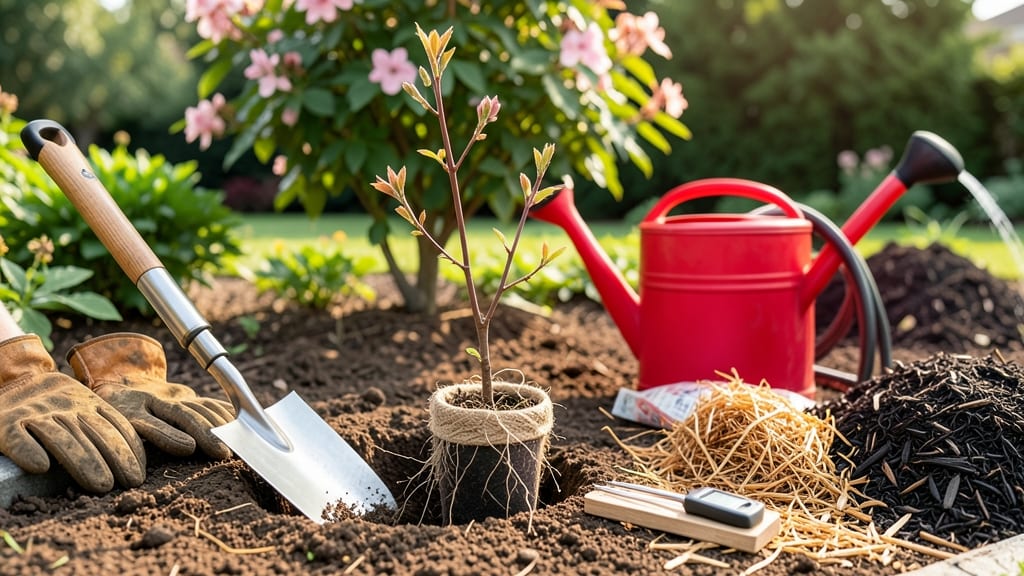
If you’ve ever dreamed of a Georgia landscape bursting with spring blooms—think vibrant pinks and whites—then timing your dogwood tree planting is the key to success. Planting too early or late can leave your 🌳 vulnerable to frost damage or scorching summer heat, especially in Georgia’s 7a-8b zones.
Most gardeners assume spring is the only time to plant, but the truth is more nuanced. The best window for Georgia actually spans late winter to early spring (February–March), when the soil is workable but the tree isn’t yet stressed by heat.
This timing aligns with the dogwood’s natural dormancy cycle and gives it a head start before the growing season kicks in.
Whether you’re planting bare-root saplings or container-grown trees, understanding your specific region’s frost-free dates is critical. Coastal Georgia has a longer growing season, while the North Georgia mountains demand earlier planting to avoid late frosts.
I’ll break down exactly what you need to know to plant with confidence and set your dogwood up for years of stunning blooms.
Ready to transform your yard? Let’s dive into the ideal planting schedule, soil prep secrets, and post-planting care tips tailored just for Georgia’s climate. Your future spring display starts with the right timing—and I’ve got you covered.
Georgia’s dogwood planting windows: frost-free deadlines by region
Planting dogwood trees in Georgia requires precision—timing your dogwood planting to avoid frost damage while maximizing root establishment is key. The ideal planting window spans from late winter to early spring, but Georgia’s diverse climate zones demand region-specific strategies to ensure success.
Georgia’s climate ranges from USDA Zone 7a in the mountains to Zone 8b along the coast, each with unique frost-free deadlines. For example, North Georgia (Zone 7a) has a last frost date around mid-April, while Coastal Georgia (Zone 8b) can plant safely until early May.
Understanding these windows helps you choose between bare-root or container-grown dogwoods.
Bare-root dogwoods thrive when planted in late winter (February), while container-grown trees offer flexibility, allowing planting from fall to early spring. However, avoid summer planting—heat stress can shock roots, especially in Georgia’s humid summers.
Let’s break down the best months for each region to plant your dogwood tree successfully.
| Region | USDA Zone | Last Frost Date | Ideal Planting Months | Best Tree Type |
|---|---|---|---|---|
| North Georgia Mountains | 7a | Mid-April | February-March | Bare-root |
| Piedmont (Atlanta) | 7b-8a | Early April | March-April | Bare-root or container |
| Coastal (Savannah) | 8a-8b | Early May | March-May | Container-grown |
| Valley (Augusta) | 8a | Late March | February-April | Bare-root or container |
For North Georgia, aim to plant bare-root dogwoods in February while the tree is dormant. This gives roots time to establish before spring warmth triggers growth. In Piedmont and Valley regions, you can extend planting into April, but avoid late spring—heat stress can reduce survival rates.
Coastal Georgia gardeners have the longest window, allowing container-grown dogwoods to be planted as late as May. However, summer planting (June-August) is risky due to high humidity and soil heat. If you must plant in summer, choose mature container-grown trees and provide extra shade and deep watering.
Always check your local frost-free date using the National Weather Service or Georgia Climate Project for precise timing. Planting too early in winter risks frost heave, while planting too late in spring may expose young roots to drought stress before summer arrives.
Pro tip: If you’re planting in fall (October-November), choose container-grown dogwoods and water thoroughly before the first frost. This gives roots a head start in winter dormancy, ensuring a strong spring bloom the following year.
Once planted, mulch around the base with 3-4 inches of organic mulch to retain moisture and regulate soil temperature. Avoid piling mulch against the trunk to prevent rot. With the right timing and care, your dogwood tree will reward you with stunning spring flowers for decades.
Remember, Georgia’s dogwood trees are a state symbol—planting them at the right time ensures they’ll thrive and become a showstopper in your landscape. 🌳
Dogwood chill-hours in Georgia: matching varieties to your Zone
Georgia’s dogwood trees need the right chill-hour match to thrive. These cold accumulation hours (below 45°F) help buds set properly for spring blooms. In Georgia’s USDA Zones 7a-8b, chill-hour needs range from 300–900 hours, so choosing the right cultivar is key to avoiding winter stress or poor flowering.
Native Southern dogwoods (Cornus florida) typically require 500–700 chill hours, making them ideal for Georgia’s Piedmont and North Georgia regions. Hybrid varieties like ‘Cherokee Brave’ or ‘Purple Smoke’ often need 300–500 chill hours, perfect for milder Coastal Georgia zones where winters are shorter.
Here’s how to align your dogwood variety with Georgia’s chill-hour zones for success:
| Variety | Chill-Hour Needs | Best Georgia Zones | Winter Hardiness |
|---|---|---|---|
| Southern Dogwood (Cornus florida) | 500–700 hours | Piedmont, North Georgia | Zone 6a–8a |
| ‘Cherokee Brave’ | 300–500 hours | Coastal, South GA | Zone 7a–8b |
| ‘Purple Smoke’ | 400–600 hours | Piedmont, Mid GA | Zone 6b–8a |
| ‘Cloud 9’ | 600–800 hours | North GA Mountains | Zone 5b–7a |
If you’re in Coastal Georgia (Zone 8a–8b), stick to low-chill varieties like ‘Cherokee Brave’ to avoid bud failure. In North Georgia’s higher elevations (Zone 7a), native dogwoods or ‘Cloud 9’ handle the extra chill hours better.
Always check your local chill-hour data—some years can be 10–20% colder than average!
For container-grown dogwoods, plant in early spring (March) to give roots time to establish before summer heat. Bare-root trees should go in late winter (February) while still dormant. Avoid planting in summer or fall, as heat stress or insufficient root growth can weaken trees for winter.
Pro tip: Use a chill-hour calculator (like the one from the Georgia Climate Project) to confirm your exact chill-hour total. This small step can mean the difference between a bloom-filled spring and a bare-branched disappointment 🌳.