
Planting
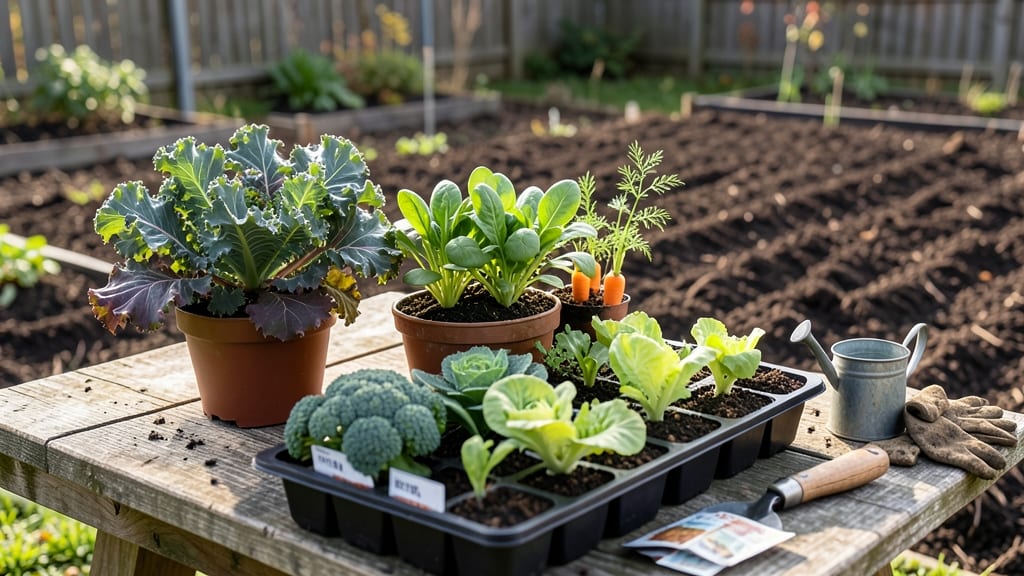
Knowing when to plant a fall garden in Zone 7 could mean the difference between a bountiful harvest and wasted effort. The key window—mid-August to mid-September—lets you beat the first frost while avoiding summer’s scorching heat, setting up your cool-season crops for success.
Fall gardens in Zone 7 thrive when you align planting with your local frost dates, but timing isn’t one-size-fits-all. Some vegetables like spinach and kale need 60-90 days to mature, while radishes and lettuce can be sown just 30 days before frost.
Get this wrong, and you’ll either watch your plants bolt or get zapped by early cold snaps.
I’ve spent years perfecting my fall garden schedule, and the results speak for themselves: crisp greens, sweet potatoes, and hardy greens that keep producing until winter sets in.
The secret isn’t just about dates—it’s about understanding your soil, choosing the right crops, and knowing when to protect your plants from unexpected chills.
In this guide, I’ll walk you through the exact planting windows, the best 🥬 fall vegetables for Zone 7, and how to avoid common mistakes that derail even the most eager gardeners. Let’s make this your most productive fall yet.

Optimal planting dates for fall crops in Zone 7 by last frost timeline
In Zone 7, your fall garden success hinges on understanding your last frost date—typically around November 1—and matching it with crop maturity timelines. The key is planting 4-6 weeks before frost for most vegetables, but some hardy crops can handle later starts.
Let’s break down the perfect planting windows for both direct-sown seeds and transplanted seedlings.
For direct-sown crops like lettuce, radishes, and spinach, aim to plant seeds 6-8 weeks before your first frost. These fast growers (30-60 days to maturity) can handle cooler soil temperatures, making them ideal for late summer starts.
Meanwhile, transplanted crops such as broccoli, cabbage, and kale need a 4-6 week head start before the first frost, so plan to set them out 8-10 weeks before frost.
If you’re planting slow-growing crops like carrots or beets, start them late August to early September—these need 90-120 days to mature.
For the most hardy crops, such as spinach and kale, you can even push planting to mid-September, especially if you use row covers or cold frames to extend the season. Just remember: soil temperatures below 50°F can slow germination, so avoid planting seeds too early.
Pro tip: Use a frost calendar for your specific Zone 7 location—some areas may experience frost earlier or later than the average. Adjust your planting dates accordingly to avoid premature bolting (for greens) or frost damage before harvest.
For example, if your first frost is October 25 instead of November 1, shift your planting window earlier by a week or two.
For transplanted seedlings, like broccoli or cabbage, start them indoors 6-8 weeks before transplanting to ensure they’re large enough to handle cooler fall temperatures. Harden them off for 7-10 days before moving them outdoors to prevent shock.
Once transplanted, focus on consistent moisture and mulching to keep roots warm and soil fertile.
Don’t forget about succession planting! For crops like lettuce and radishes, sow new seeds every 2 weeks from mid-August through early September. This ensures a continuous harvest and prevents overcrowding.
For example, plant a batch of radishes in late August, then follow up with another batch in early September—you’ll have fresh radishes ready in 30 days and again in 45 days.
One common mistake is planting heat-sensitive crops like basil or cucumbers too late in summer. These thrive in warm weather and will bolt or struggle if planted after mid-July.
Instead, replace them with cool-season crops like kale or peas once temperatures drop below 80°F. This transition is your cue to start your fall garden prep!
Finally, monitor your garden’s microclimate. Areas near buildings or fences may stay warmer longer, while open spaces cool down faster. Use this to your advantage: plant heat-loving crops in sheltered spots and cold-hardy crops in open areas.
With the right timing and a little flexibility, your Zone 7 fall garden will reward you with a bountiful harvest before winter sets in. 🌱
Optimal planting dates for fall crops in Zone 7 by last frost timeline
In Zone 7, your fall garden’s success hinges on planting between mid-August and mid-September, aligning with your average first frost date (November 1). This window ensures cool-season crops mature before winter sets in, but it’s not a one-size-fits-all approach.
Direct-sown crops like radishes and lettuce can tolerate cooler soil, while transplants like broccoli or cabbage need warmer soil to establish roots.
For 60-90 day crops (e.g., kale, spinach, carrots), start sowing by late August to harvest before frost. 30-60 day crops (radishes, lettuce, arugula) can be planted as late as mid-September, giving them just enough time to mature.
The key is calculating backward from your first frost date—most cool-season crops need 4-6 weeks of warm soil to germinate before cooler temps slow growth.
Here’s how to adjust your planting schedule based on your local frost date, even if it varies slightly from the average. For example, if your area tends to frost earlier (like October 25), shift all plantings 2 weeks earlier to account for the shorter growing season.
Use a frost calendar or local weather alerts to fine-tune timing.
| Crop Type | Planting Window (Zone 7) | Days to Maturity | Notes |
|---|---|---|---|
| Direct-Sown (Seeds) | Late August - Mid-September | 30-60 days | Radishes, lettuce, spinach, arugula |
| Transplants | Mid-August - Early September | 60-90 days | Broccoli, cabbage, kale, carrots, beets |
| Succession Planting | Every 2 weeks until Sept 15 | 30-45 days | Lettuce, radishes, peas |
| Overwintering Crops | Early September | 90+ days | Garlic, onions, hardy greens |
Soil temperature plays a critical role in germination. Most cool-season crops need soil temps between 45°F and 75°F—too hot, and seeds may rot; too cold, and they won’t sprout.
Test your soil with a soil thermometer before planting. If temps are above 80°F, wait a few days or use shade cloth to protect young seedlings from heat stress.
Pro tip: Transplants (like broccoli or cabbage) should go in 4-6 weeks before your first frost, while direct-sown seeds (radishes, lettuce) can handle cooler soil and can be sown 2-3 weeks later.
This staggered approach maximizes your harvest window and ensures you’re not left with bolted greens or frost-damaged crops.
Don’t forget to account for succession planting—sowing small batches every 2 weeks ensures a continuous harvest. For example, plant radishes every 10 days from late August through mid-September for a steady supply. This method also reduces the risk of losing an entire crop to pests or weather.