
Planting
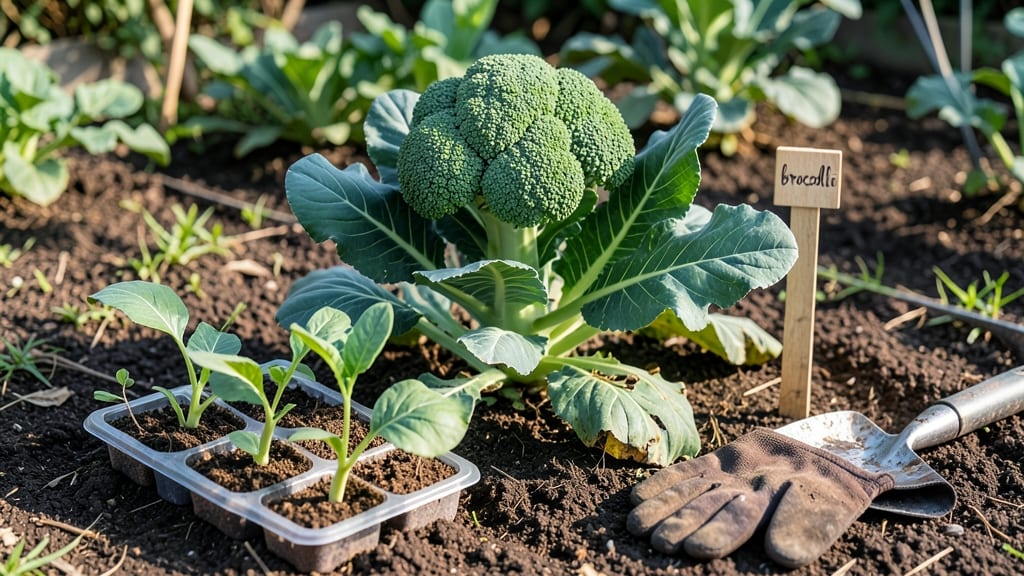
Timing when to plant a fall garden in NC can mean the difference between a bountiful harvest and wasted effort—especially when summer heat lingers or frost arrives early. With North Carolina's diverse USDA Zones 6b-8a, knowing the precise window to plant 🥬 cool-season crops is critical for success.
If you've ever watched your seedlings bolt in August or had your kale turn to mush by November, you're not alone. The key lies in starting 4-6 weeks before your first frost, typically between mid-August and mid-October, depending on your exact location.
This isn't just about dates—it's about matching your planting schedule to your garden's microclimate and the unique needs of each crop.
What you'll discover here is how to navigate NC's unpredictable fall weather, from adjusting for late summer heatwaves to protecting tender plants from early frosts. We'll cover the best crops for your zone, when to plant them, and how to stretch your harvest well into December—without the guesswork.
Ready to transform your fall garden from hit-or-miss to consistently productive? Let's get started with your personalized planting timeline that actually works for North Carolina's climate.
NC Zone 7a/7b fall planting calendar: exact dates for cool-season crops
North Carolina’s Zone 7a/7b offers a perfect window for growing cool-season vegetables in fall, but the timing must align with your first frost date. On average, NC experiences its first frost between November 1 and November 15, depending on elevation and microclimates.
To maximize your harvest, plan to plant 4-6 weeks before that date—typically between mid-August and mid-October.
Your fall planting schedule hinges on two critical factors: the crop’s maturity time and your local frost date. For example, fast-growing radishes (30-40 days) can be sown as late as mid-September, while slower broccoli (60-80 days) needs to start by early August to mature before frost.
Below, we’ll break down the ideal planting windows for each category of cool-season crops.
📅 PRO TIP: Use a frost date calculator (like the Old Farmer’s Almanac) to pinpoint your exact first frost—this varies by 5-10 days across NC’s regions. For Zone 7a (e.g., Raleigh, Durham), aim for November 1; for Zone 7b (e.g., Charlotte, Greensboro), push to November 15.
🌱 NC Fall Planting Timeline by Crop Type
| Crop Type | Planting Window | Days to Maturity | Last Planting Date | Notes |
|---|---|---|---|---|
| Leafy Greens | Mid-August – Mid-September | 30–50 days | October 1 (Zone 7a) / October 15 (Zone 7b) | Succession plant every 2 weeks for continuous harvest. |
| Brassicas (Broccoli, Cabbage, Kale) | Early August – Early September | 50–80 days | September 15 (Zone 7a) / October 1 (Zone 7b) | Cold-hardy; can tolerate light frost. |
| Root Vegetables (Carrots, Beets, Radishes) | Late July – Mid-September | 30–70 days | September 30 (Zone 7a) / October 10 (Zone 7b) | Loose, well-drained soil prevents forking. |
| Alliums (Onions, Garlic, Leeks) | Mid-August – Early October | 60–120 days | October 1 (Zone 7a) / October 15 (Zone 7b) | Bulbs like garlic can be planted in fall for spring harvest. |
| Peas & Beans (Cold-Tolerant Varieties) | Late August – Mid-September | 50–70 days | September 30 (Zone 7a) / October 10 (Zone 7b) | Use sugar snap peas or winter peas for frost tolerance. |
🌡️ Frost Note: After your first frost, focus on harvesting leafy greens and hardy brassicas—they’ll sweeten with frost!
For Zone 7a (e.g., Raleigh, Asheville), where frosts arrive earlier, prioritize fast-maturing varieties and plant leafy greens in succession every 2 weeks. In Zone 7b (e.g., Charlotte, Fayetteville), you have a slightly longer window to experiment with slower crops like kale or broccoli, which can handle light frosts.
Don’t overlook herbs like cilantro, parsley, and dill, which thrive in cool weather. Plant these late August to early September for a harvest before winter sets in.
Best fall vegetables for NC gardens: yield, hardiness, and planting tips
North Carolina’s cool fall temperatures create perfect conditions for high-yielding, cold-hardy vegetables. Focus on leafy greens, brassicas, and root crops that thrive in 50-65°F soil and tolerate light frosts. These top 8 varieties deliver reliable harvests from September through December.
Start with kale and spinach—both bolt-resistant and sweeter after frost. Plant broccoli and cabbage in late August for 60-70-day harvests before winter. For quick turns, try radishes (25 days) or baby carrots (50 days)—ideal for succession planting every 2 weeks.
🌱
✅ Top Fall Crops for NC
- 🥬 Kale – 60 days, frost-sweetened, 18" spacing
- 🌿 Spinach – 40 days, bolts slowly, 12" spacing
- 🥕 Carrots – 50-70 days, loose soil, 3" spacing
- 🥬 Lettuce – 30-50 days, cut-and-come-again, 12" spacing
- 🥬 Broccoli – 60-70 days, heavy feeder, 18" spacing
⚠️ Planting Pitfalls
- 🌡️ Late plantings – Risk frost damage before maturity
- 💧 Overwatering – Causes root rot in heavy clay
- 🌱 Skipping soil test – pH 6.0-7.0 needed for uptake
- ❄️ No row covers – Light frost can kill tender greens
For soil prep, mix in 2-3 inches of compost and a balanced 10-10-10 fertilizer before planting. Succession plant fast growers like radishes and lettuce every 2 weeks to maintain harvests. Use straw mulch to retain moisture and suppress weeds during NC’s cool, damp falls.
🌿
Extend harvests into winter by covering crops with row fabric when temps drop below 28°F. Collard greens and Swiss chard are excellent choices—they thrive in cold and add nutrient density to your diet.
Always harvest in the morning for crispest texture and store in perforated bags in the fridge for up to 2 weeks.
✂️