
Plants
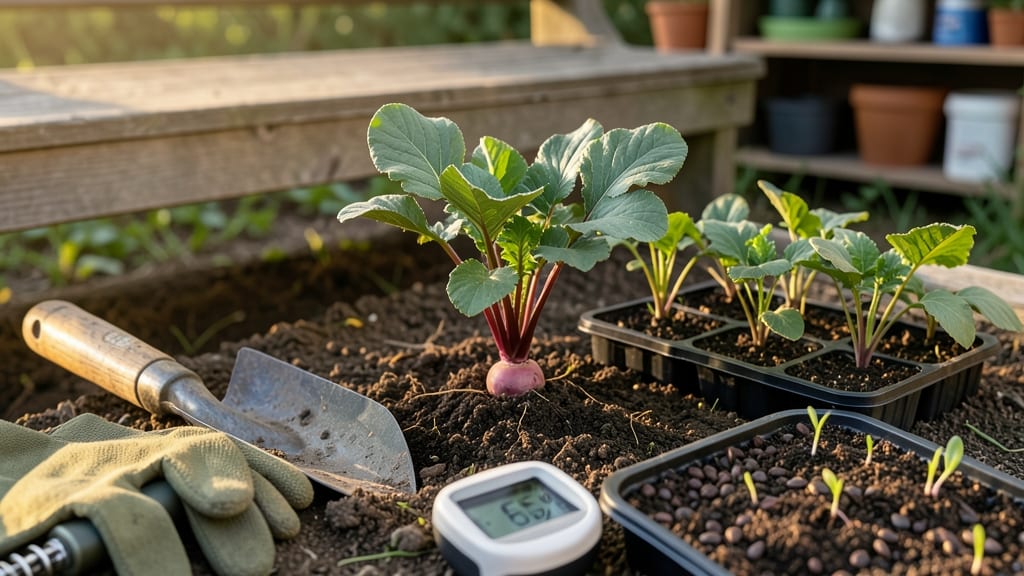
Planting fall beets in Zone 6 at the wrong time can turn your garden into a bitter disappointment—sweet, tender roots or tough, woody messes hinge on getting the timing just right.
The key isn’t just about the calendar; it’s about understanding how soil temperatures and frost dates work together to create the perfect growing window.
If you’ve ever wondered why some gardeners swear by early September plantings while others wait until October, the answer lies in your local frost dates and beet varieties.
In Zone 6 (6a/6b), where first frosts typically arrive around mid-November, the ideal planting window is just 4-6 weeks before that date—giving your 🍠 roots enough time to mature without turning woody from cold snaps.
Here’s the game-changer: most fall beets need 50-60 days to reach harvest size, but cooler soil speeds up their development. That means planting too late could leave you with small, underdeveloped roots before winter sets in.
Let’s break down the exact weeks you should be sowing seeds for a foolproof harvest.
Beyond timing, we’ll cover how to prep your soil for maximum sweetness, whether succession planting makes sense in Zone 6, and which beet varieties hold up best in cooler months. Get ready to transform your fall garden into a beet bonanza!

Best planting weeks before frost for fall beets in Zone 6
Fall beets thrive in Zone 6 when planted with precision—aim for 75 to 90 days before your first frost date. This window ensures tender, sweet roots before winter hardens the soil.
In most of Zone 6, that means sowing seeds between mid-August and early October, but timing shifts slightly depending on your exact location and variety.
For example, if your first frost arrives on November 15, count backward: 90 days lands you at early August for long-season varieties like 'Detroit Dark Red,' while 75 days pushes you to late August for faster-maturing types like 'Babybeat.'
Adjust for cooler microclimates by planting 2–3 weeks earlier in high-altitude areas or 1–2 weeks later in sheltered valleys.
Soil temperature matters more than calendar dates. Beets germinate best in soil that’s at least 50°F—warmer than air temps suggest. Test your soil with a thermometer or wait until late August when ground temps reliably hit this mark.
Cold soil slows germination, leading to patchy stands that struggle in fall’s shorter days.
Here’s the exact planting timeline for Zone 6’s two frost-free periods: late summer (for early fall harvests) and early fall (for winter storage). The key is balancing maturity with frost risk—plant too late, and roots turn woody; too early, and you’ll harvest before flavor peaks.
| Planting Window | Varieties | Days to Maturity | Soil Temp | Notes |
|---|---|---|---|---|
| Late August | Babybeat, Touchstone Gold | 45–55 days | 50–60°F | Early harvest; ideal for quick fall greens |
| Mid-to-late September | Detroit Dark Red, Chioggia | 60–75 days | 55–65°F | Best for storage; avoid bolting |
| Early October (succession) | All varieties | 45–60 days | 50–60°F | Small batches; harvest before hard frost |
Succession planting extends your harvest window. Sow small batches every 2 weeks from late August through early September. This ensures a steady supply of tender beets while older plants mature. For example, plant 10 seeds every 14 days in a 4-foot row to stagger harvests from October through November.
Don’t ignore soil preparation. Beets prefer loose, well-draining soil rich in organic matter. Work in 2–3 inches of compost before planting and keep beds weed-free. Compacted soil leads to misshapen roots, while sandy soil may require mulching to retain moisture during fall’s drying winds.
Watch for bolting, a common fall pitfall. Long daylight hours trigger flowering, especially in late-sown beets. Choose bolting-resistant varieties like 'Cylindra' or plant shade cloth in late September to shorten daylight exposure. Bolting beets develop tough stems and bitter leaves, ruining their sweet potential.
Harvest beets when roots reach 1–3 inches in diameter—smaller for greens, larger for storage. Wait until soil temps drop below 40°F to dig storage beets; their sugars convert to starch, improving keeping quality.
Cure roots in a cool, dark place for 2–3 days before storing in sandy soil or sawdust at 32–40°F.
🌱
Best planting weeks before frost for fall beets in Zone 6
In Zone 6, where first frosts typically arrive around mid-November, your fall beet planting window is a tight 4-6 weeks before that date.
For most varieties, this means starting seeds between early September and mid-October, with late October plantings reserved for fast-maturing varieties like 'Early Wonder' or 'Detroit Dark Red'.
Here’s the science: beets need 50-60 days to reach harvest size, but cooler fall soil actually speeds up their growth. Planting too late risks small, underdeveloped roots before winter sets in, while planting too early may result in bolting (flowering) before frost. The sweet spot balances these factors perfectly.
For Zone 6a (colder microclimates), aim for September 1-15 plantings, while Zone 6b gardeners can extend to September 15-October 1. Always check your local average first frost date—some areas may push this window slightly earlier or later.
| Planting Window | Days to Maturity | Best Varieties | Soil Temp |
|---|---|---|---|
| Early Sept (Zone 6a) | 50-60 days | 'Detroit Dark Red' | 55-65°F |
| Mid-Sept (Zone 6b) | 45-55 days | 'Golden' | 50-60°F |
| Late Sept-Oct (Fast Varieties) | 40-45 days | 'Early Wonder' | 45-55°F |
Soil temperature is your secret weapon for fall beet success. Beets thrive when soil stays between 55-65°F—warmer than this, and they’ll bolt; cooler, and growth slows.
Use a soil thermometer to confirm temps before planting. If your soil is still above 70°F in early September, wait 1-2 weeks or use shade cloth.
For succession planting, sow new seeds every 2-3 weeks until mid-October. This ensures a continuous harvest window from October through December. Just remember: the last planting should be 40 days before frost for small, tender roots.
Pro tip: If you’re growing for storage, plant your final batch 60 days before frost—these roots will develop thicker skins and store better through winter. For table-ready beets, harvest when roots reach 1-3 inches in diameter, regardless of frost dates.